Mastering Remote Meetings
Understanding Remote Meetings
The New Normal: Remote Meetings
Remote meetings are gatherings where people connect from different locations using technology. Instead of sitting around a conference table, participants join via video calls, phone conferences, or online platforms. This way of collaborating has become essential in a world where teams are often spread across cities, countries, and continents.
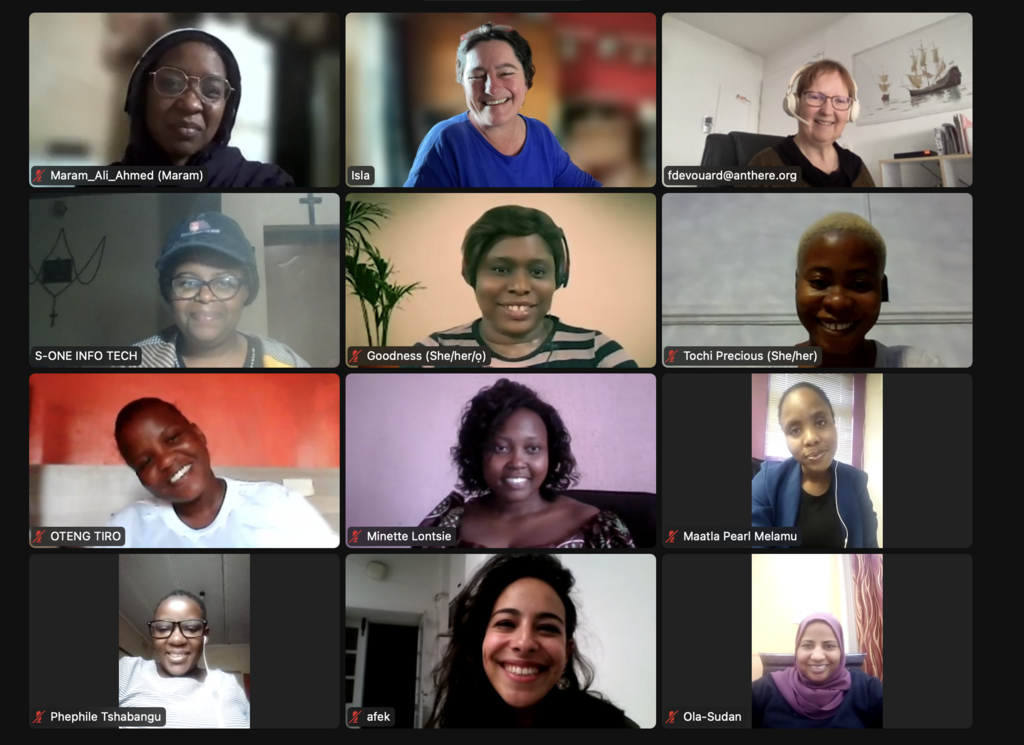
These virtual get-togethers aren't just for checking in. They are where ideas are born, decisions are made, and projects move forward. In today's flexible work environment, mastering remote meetings is a key skill for any team that wants to stay connected and productive.
The Upsides of Going Virtual
One of the biggest advantages of remote meetings is flexibility. Team members can join from home, a co-working space, or even while traveling. This saves commute time and reduces costs associated with travel, office space, and other in-person expenses.
Virtual meetings also open the door to a global talent pool. Companies are no longer limited to hiring people who live within a certain radius of the office. This allows for more diverse teams with a wider range of perspectives and expertise.
Another key benefit is accessibility. Meetings can be recorded and shared, so anyone who missed the live session can catch up later. This also creates a valuable archive of discussions and decisions.
Common Hurdles
Despite their benefits, virtual meetings come with a unique set of challenges. Without the right approach, they can feel less engaging and more draining than face-to-face interactions.
However, remote meetings can also pose some challenges, such as technical issues, distractions, lack of engagement, and unclear expectations.
Technical glitches are a common frustration. A poor internet connection, faulty microphone, or confusing software can derail a meeting before it even starts. At home, distractions from family, pets, or deliveries can pull focus away from the discussion.
Another major issue is "Zoom fatigue," the feeling of exhaustion that comes from spending hours on video calls. It’s harder to read body language and non-verbal cues on a screen, which can make communication feel stilted and lead to misunderstandings. Without a strong facilitator, it's easy for some participants to disengage, multitask, or feel like their voices aren't heard.
Reshaping Team Culture
The shift to remote meetings has a significant impact on how teams work together and the culture they build. Communication often becomes more intentional. Since you can't rely on bumping into a colleague in the hallway, teams must be more deliberate about scheduling check-ins and sharing information.
This can be a double-edged sword. While it encourages clearer, more structured communication, it can also lead to the loss of spontaneous brainstorming and casual social interactions. The informal "water cooler" conversations that build relationships and spark new ideas are harder to replicate in a virtual setting.

A successful remote work culture is built on trust and clear expectations. Leaders must trust their team members to manage their time and contribute effectively, even when they aren't in the same room. For team members, it requires strong self-discipline and proactive communication to stay aligned and connected with their colleagues.
According to the text, what is a primary advantage of shifting to remote meetings?
The feeling of exhaustion that can come from spending many hours on video calls is known as ______.
Ultimately, remote meetings are a powerful tool for modern collaboration. By understanding their benefits and preparing for their challenges, teams can create a virtual meeting culture that is productive, inclusive, and engaging.