Mastering Remote Meetings
Understanding Remote Meeting Dynamics
Beyond the Conference Room
Remote meetings are more than just in-person meetings on a screen. They operate under a different set of rules and present unique challenges. Simply moving your team from a physical conference room to a video call without changing your approach can lead to confusion, disengagement, and frustration. Success in a virtual setting requires a new mindset and a deliberate approach to communication and collaboration.
Unlike a face-to-face conversation where you can read body language and feel the energy of the room, virtual interactions flatten communication. The subtle cues we rely on, like a nod of agreement or a furrowed brow of confusion, are often lost or misinterpreted. This makes building rapport and trust more difficult and requires us to be more explicit and intentional with our words.
Lost in Virtual Translation
The biggest hurdle in remote meetings is the communication gap. When you're in a room with someone, you receive a constant stream of non-verbal information. You notice if someone leans in, crosses their arms, or makes eye contact. These signals provide crucial context that video calls can't fully replicate.
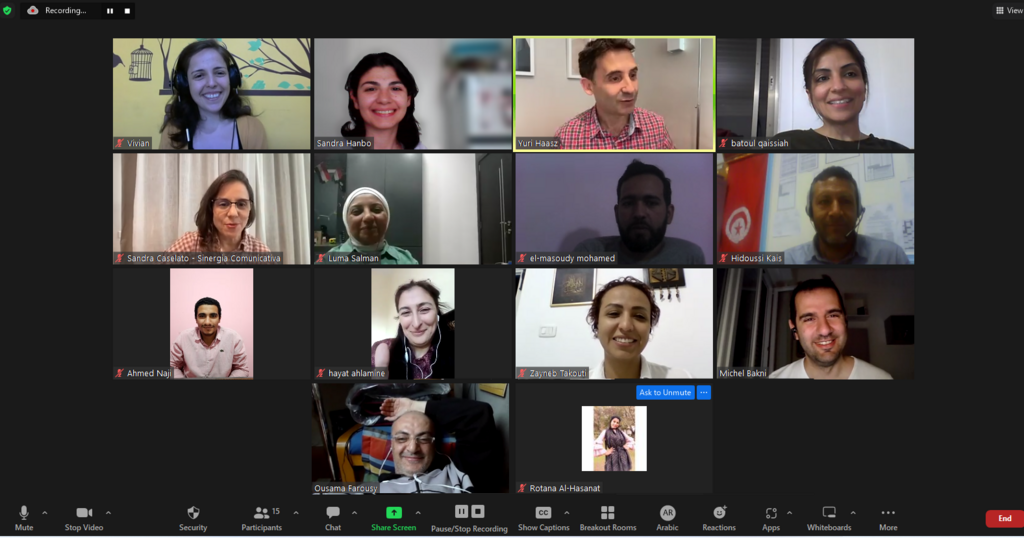
On a screen, you're limited to a small box showing someone's head and shoulders. Lagging video, poor audio quality, or the simple distraction of a notification can break the flow of conversation. Because of this, misunderstandings are more common. Silence can be ambiguous—is the person thinking, disagreeing, or simply muted? Without clear visual cues, we can't be sure.
Over-communication is key. In a remote meeting, it's better to be overly clear and confirm understanding than to make assumptions.
Navigating the Clock
When your team spans the globe, the clock becomes a major challenge. Scheduling a meeting with colleagues in London, New York, and Tokyo means someone is either starting their day very early or ending it very late. Finding a time that's reasonable for everyone is often impossible.
This isn't just a logistical puzzle; it has a real impact on people. Consistently asking a team member to join a call at 10 PM disrupts their personal life and can lead to burnout. It also creates an uneven playing field. The person who is tired and just wants the meeting to end may not contribute their best ideas.
Good practice involves rotating meeting times so the inconvenience is shared equally. When possible, rely on asynchronous communication—like shared documents or message boards—to reduce the number of live meetings needed.
Keeping Everyone Focused
In a physical meeting room, social pressure helps keep people focused. It's obvious if someone is scrolling through their phone or answering emails. In a remote setting, those distractions are just a click away and largely invisible to others.
Engagement isn't automatic; it must be actively cultivated. Without deliberate effort, it's easy for a remote meeting to become a monologue where one person talks and everyone else passively listens, multi-tasks, or tunes out completely. This is especially true in larger meetings where it's easy for individuals to feel anonymous.
However, remote meetings can also pose some challenges, such as technical issues, distractions, lack of engagement, and unclear expectations.
To counter this, interaction is essential. Don't let more than a few minutes pass without creating an opportunity for participation. This can be as simple as asking a direct question to a specific person, using a poll to gauge opinion, or utilizing a virtual whiteboard for brainstorming. The goal is to turn passive attendees into active participants.
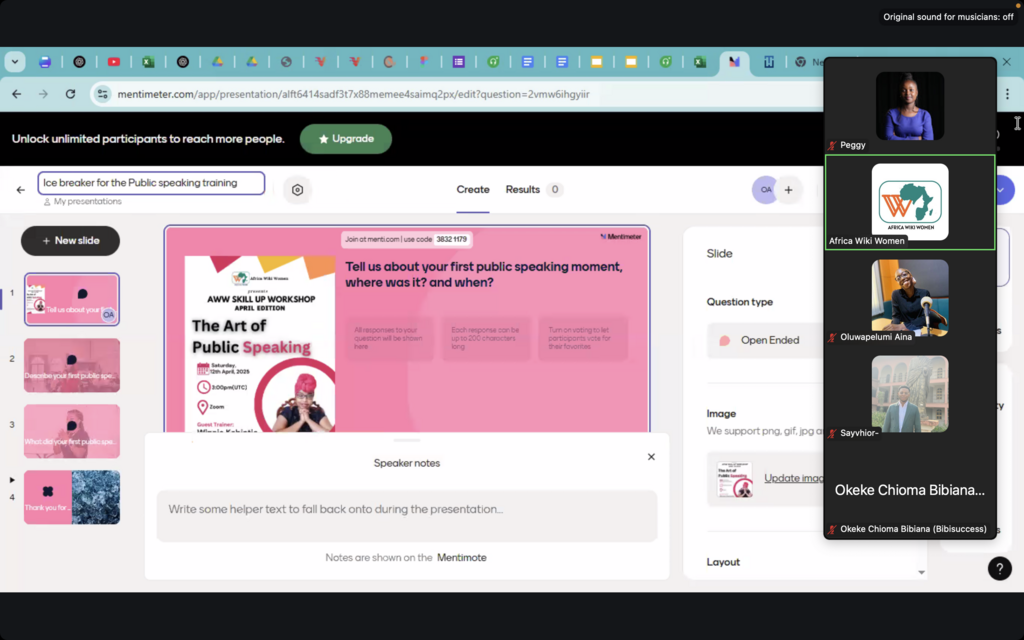
These small actions signal that everyone's input is expected and valued, which helps keep focus sharp and ensures the meeting achieves its purpose.
Why is it ineffective to run a remote meeting using the exact same approach as an in-person meeting?
According to the text, what is a recommended strategy for managing meetings with a team spread across many time zones?
Mastering remote meetings means recognizing their unique dynamics. By being more explicit in your communication, considerate of time zones, and intentional about fostering engagement, you can overcome the common pitfalls of virtual collaboration.