Mastering Remote-First Job Applications
Understanding Remote Work
What is Remote Work?
Remote work is any job done outside of a traditional office. Instead of commuting to a central workplace every day, employees complete their tasks from home, a coffee shop, a co-working space, or anywhere else with an internet connection. This isn't a new idea, but advances in technology have turned it from a rare perk into a common way of working.
The core principle is that work is something you do, not somewhere you go. Companies that embrace this model trust their employees to manage their own time and be productive without direct, in-person supervision. It's a shift that prioritizes results over physical presence.

Benefits and Challenges
The most obvious benefit of remote work is flexibility. You can often structure your day around your life, not the other way around. Eliminating the daily commute saves time, money, and stress. Many people find they can focus better without the interruptions of a busy office.
For companies, offering remote work opens up a global talent pool. They're no longer limited to hiring people who live within a certain radius of the office. This can lead to more diverse and skilled teams.
More freedom, less commute, and the ability to work from where you're most productive.
However, remote work isn't without its challenges. It requires a high level of self-discipline and motivation to stay on task. Without the natural social structure of an office, some people can feel isolated or disconnected from their team.
It can also be difficult to switch off at the end of the day when your home is also your office. Maintaining a healthy work-life balance requires setting clear boundaries.
Successful remote work requires more than just completing assigned tasks it involves creating an integrated ecosystem that supports your productivity, visibility, and well-being.
The Digital-First Workforce
The rise of remote work has created a digital-first workforce. This means that communication, collaboration, and project management happen primarily through online tools. Instead of tapping a colleague on the shoulder, you might send them a message on Slack, comment on a shared document, or hop on a quick video call.
This shift also encourages asynchronous work, where team members contribute to a project on their own schedules. Clear documentation and communication become essential for everyone to stay on the same page, regardless of what time zone they're in.
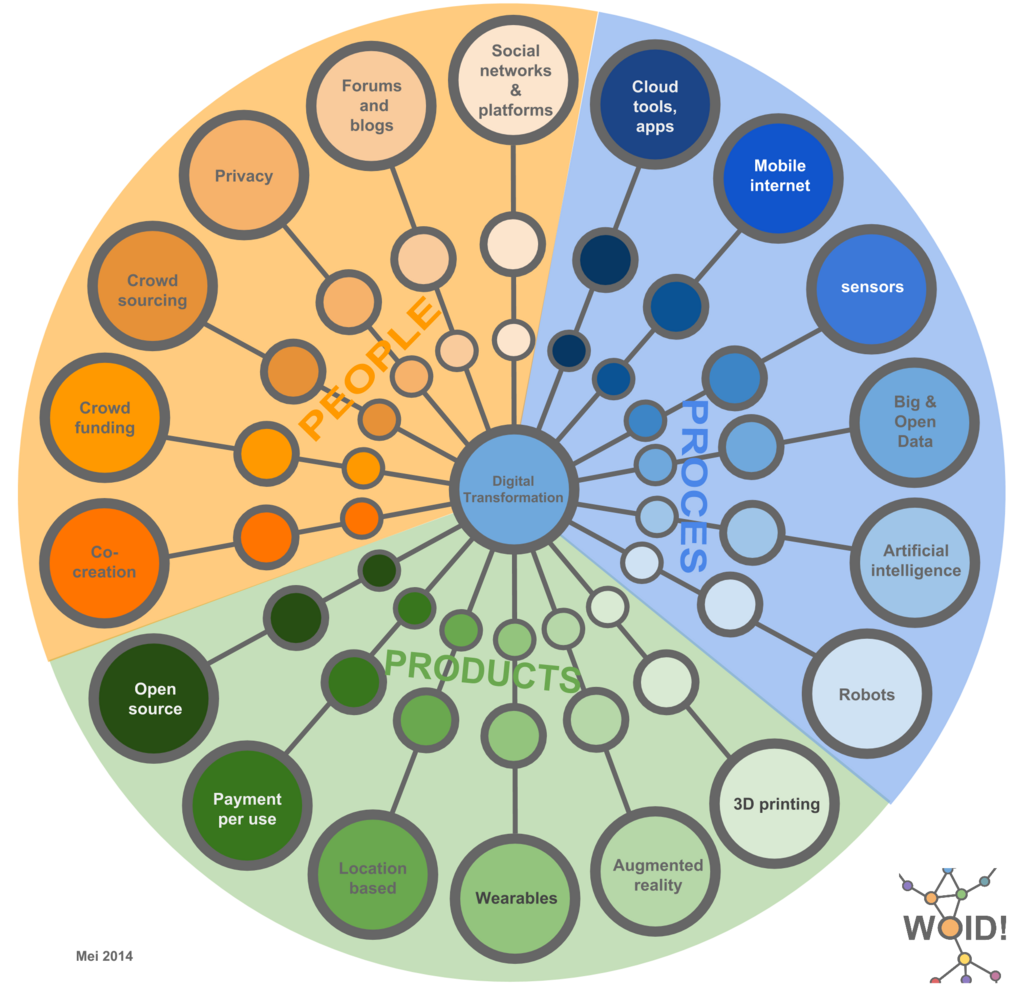
While technology companies were early adopters, remote work has now spread across many industries. Any job that primarily involves working on a computer can potentially be done remotely.
| Industry | Common Remote Roles |
|---|---|
| Technology | Software Developer, UX Designer, IT Support |
| Marketing | Social Media Manager, Content Writer, SEO Specialist |
| Education | Online Tutor, Instructional Designer, Curriculum Developer |
| Finance | Accountant, Financial Analyst, Bookkeeper |
| Customer Service | Support Representative, Technical Support Specialist |
Now, let's check your understanding of these core concepts.
What is the core principle of remote work?
What is a primary advantage for a company that adopts a remote work policy?
This new way of working requires a different set of skills and a proactive mindset, but it offers incredible opportunities for those ready to adapt.