Mastering Realistic Drawing Techniques
Physics of Light
Sculpting with Light
Moving past basic shading means you stop thinking about just making things darker. Instead, you start thinking about how light reveals form. Every mark you make should describe a surface turning toward or away from a light source. It's less like coloring in and more like sculpting on a flat surface.
Light and shadow are vital for bringing depth and emotion to your art.
To do this accurately, you need to understand the predictable way light behaves when it hits an object. There's a clear order to how light and shadow appear, a system you can learn to see and replicate.
The Hierarchy of Light
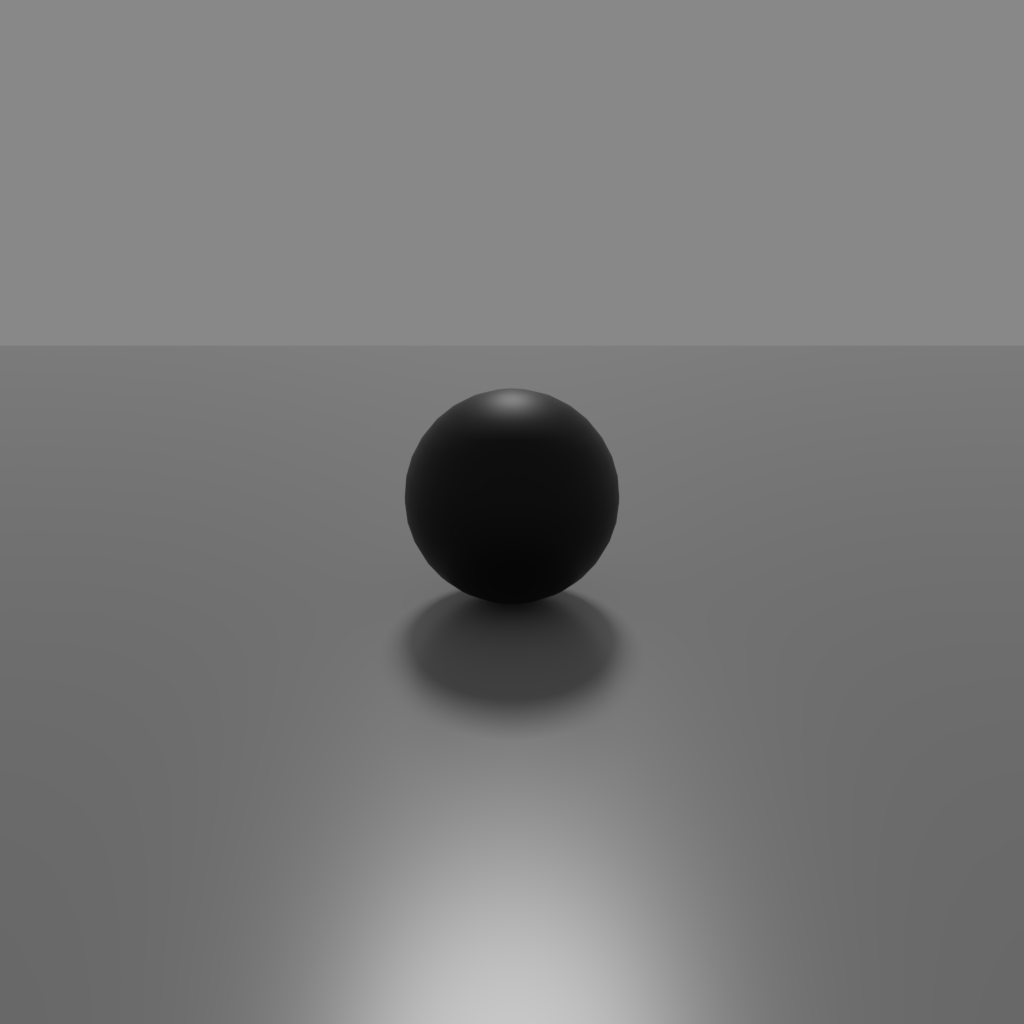
When light from a single source hits a three-dimensional object, it creates a consistent pattern of values from brightest to darkest. This pattern, or hierarchy, is what creates the illusion of volume. Learning to identify these zones on any object is the key to creating convincing form.
Let's break down these zones, from light to shadow:
- Highlight: The direct reflection of the light source. It's the brightest part of the object.
- Center Light: The area that receives the full force of the light.
- Mid-tones (Halftones): This is where the form begins to turn away from the light. It's a gradient, not a flat value.
- Line: This is the crucial boundary between the light and shadow sides. It's often a softer edge, not a hard line.
- Core Shadow: Just after the terminator, this is the darkest part of the shadow on the object itself.
- Reflected Light: Light from the surrounding environment bounces back onto the object, subtly illuminating the shadow side. This is why shadows are rarely pure black.
- Cast Shadow: The shadow the object throws onto other surfaces. The part of the cast shadow directly beneath the object is the darkest.
The Physics Behind the Form
Understanding why light behaves this way helps you draw it more convincingly. Two key concepts that directly impact your work are reflected light and the inverse square law.
Reflected light is a product of light rays bouncing off nearby surfaces. The color and brightness of those surfaces influence the color and brightness of the light that hits the shadow side of your subject. A red wall will cast a faint red glow into the shadows of an object sitting next to it. This is why paying attention to the environment is just as important as observing the object itself.
A related, more specific concept is (AO). This refers to areas where ambient light is blocked from reaching a surface. Think of the tight corner where a wall meets the floor, or the deep crevices in a piece of fabric. These areas are darker because light rays from the general environment can't bounce into them. Adding subtle AO to your drawings can drastically increase their sense of realism and depth.
Finally, why do light and shadow behave the way they do over distance? The Inverse Square Law provides the answer. In simple terms, it means that the intensity of light decreases drastically as you move away from the source. If you double the distance from a light source, you only get one-quarter of the light.
For an artist, this has two practical effects:
- The farther a cast shadow is from the object casting it, the softer and lighter its edges become.
- Objects closer to a light source will have much higher contrast, with brighter highlights and darker shadows, than objects farther away.
Thinking about this helps you create a sense of depth and atmosphere in a scene.
Mapping Values
Before you start shading, practice mapping these light zones onto simple forms. Take a photo or set up a still life and, instead of drawing, simply outline the shapes of the highlight, the terminator, and the cast shadow. This exercise forces you to see light as a series of distinct, mappable shapes.
By building your drawing on this foundation of light logic, your work will communicate volume and realism with more confidence and authority.
Try practicing with simple geometric shapes to understand how light behaves on different forms before attempting complex subjects.
With these principles in mind, you're ready to test your understanding.
What is the fundamental shift in thinking when moving from basic shading to a more advanced understanding of light?
On a shaded sphere, which part is the boundary between the light side and the shadow side?
Mastering these concepts will fundamentally change how you approach drawing.