Mastering Ready-Mixed Concrete
Introduction to Ready-Mixed Concrete
Concrete on Demand
Ready-mixed concrete, often called RMC, is exactly what it sounds like: concrete that is manufactured in a factory and delivered to a construction site, ready to be poured. Instead of stockpiling cement, sand, and gravel on-site and mixing them in small batches, RMC centralizes the production process.
Unlike traditional site-mixed concrete, Ready Mix Concrete is produced in a controlled factory environment and delivered to construction sites in a ready-to-use form.
This off-site production happens at a facility called a batching plant. Here, sophisticated machinery measures out the precise amounts of cement, water, and aggregates needed for a specific recipe, or mix design. The ingredients are combined in a large industrial mixer and then loaded into the familiar rotating-drum trucks for delivery.
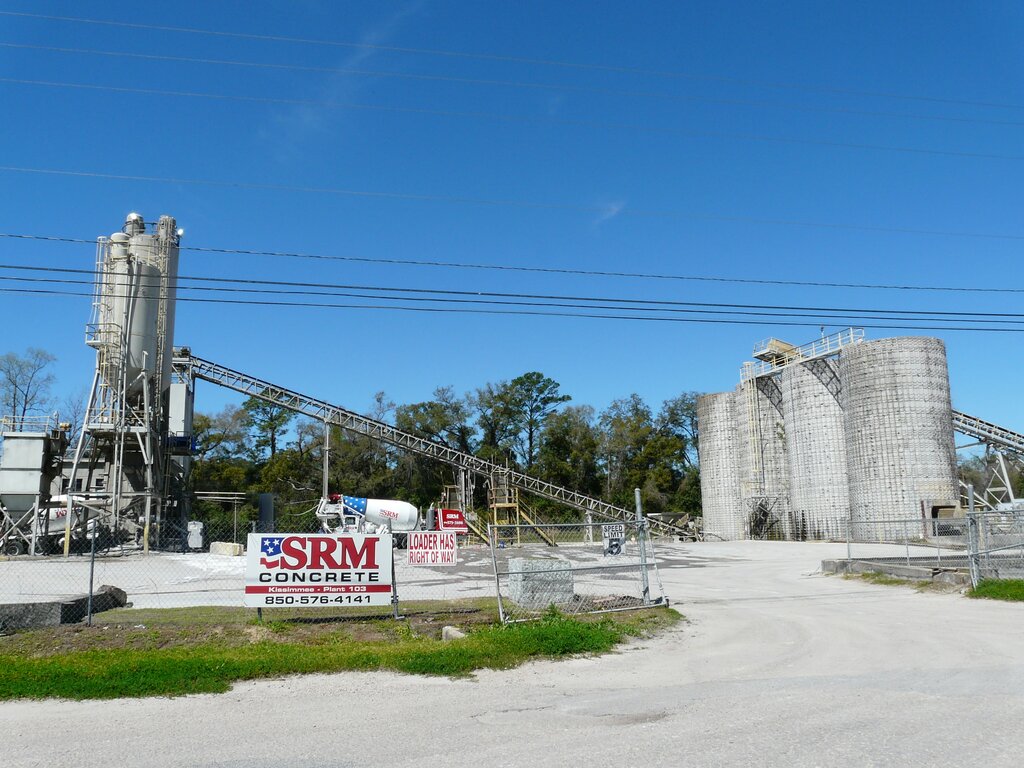
The Ready-Mix Advantage
The main benefit of RMC is control. A batching plant is a controlled environment, which leads to a far more consistent and higher-quality product than what can typically be achieved with on-site mixing. Computers control the proportions, eliminating the guesswork and human error that can lead to weak or inconsistent concrete.
This precision also cuts down on waste. Since the concrete is made to order, you get exactly the amount you need. There are no half-used bags of cement or piles of leftover sand at the job site. This makes RMC a more environmentally friendly option, reducing material waste significantly.
Time and space are also major factors. Using RMC frees up valuable space at the construction site that would otherwise be used for storing raw materials and mixing equipment. It also saves a tremendous amount of labor, allowing construction crews to focus on placing and finishing the concrete rather than producing it.
Ultimately, choosing ready-mix concrete is an investment in precision, quality control, and efficiency for any serious construction endeavor.
Site-Mix vs. Ready-Mix
The traditional alternative to RMC is site-mixed concrete. This is the method you might use for a small DIY project, like setting a fence post. You buy bags of cement mix and combine them with water in a wheelbarrow or a small portable mixer right where you need it.
While site mixing is practical for very small jobs, it quickly becomes inefficient and unreliable for larger projects. The quality can vary greatly from one batch to the next, and the process is slow and labor-intensive.
| Feature | Ready-Mixed Concrete | Site-Mixed Concrete |
|---|---|---|
| Location of Mixing | Central batching plant | On the construction site |
| Quality Control | High, computer-controlled | Variable, depends on labor |
| Consistency | Excellent | Can be inconsistent |
| Best Use Case | Medium to large projects | Small projects, repairs |
| Waste | Minimal | Higher potential for waste |
| Speed | Fast delivery, large volume | Slow, batch by batch |
A third type, the volumetric mixer, offers a hybrid approach. These special trucks carry unmixed materials to the site and mix the concrete on the spot. This provides fresh concrete and allows for adjustments, blending the control of RMC with the on-demand nature of site-mixing. However, for large-scale construction, the centralized production and high output of a ready-mix plant remain the industry standard.