Mastering Rational Intelligence and Thinking
Introduction to Rational Intelligence
Thinking with Purpose
Our brains are constantly making decisions, from what to eat for breakfast to how to handle a complex project at work. Often, we rely on gut feelings or mental shortcuts. But there's another way to approach problems: with rational intelligence. This isn't about being cold or robotic. It's about using logic and evidence as your primary tools for navigating the world.
rational intelligence
noun
The ability to think logically, analyze information objectively, and make decisions based on evidence and structured reasoning rather than emotion or bias.
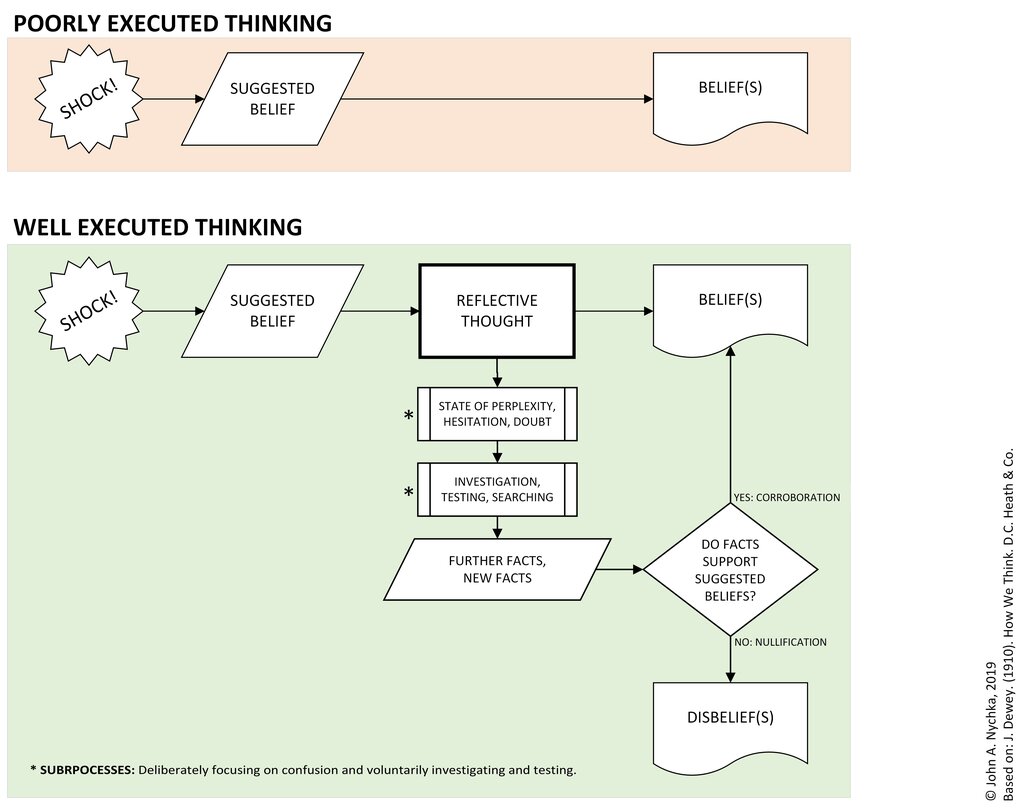
Think of it like being a detective. A good detective doesn't just go with their first hunch. They gather clues, examine evidence, question assumptions, and slowly piece together a conclusion that the facts support. Rational intelligence is your inner detective, helping you separate fact from opinion and see situations with greater clarity.
From Hunch to Evidence
Why is this so important? Because our minds are wired to take shortcuts. These mental shortcuts, or cognitive biases, help us make quick judgments, but they can often lead us astray. For example, confirmation bias makes us favor information that supports what we already believe and ignore evidence that contradicts it.
Rational intelligence acts as a check on these automatic impulses. It encourages us to pause, question our initial reactions, and deliberately seek out the most logical path forward. Instead of just reacting, you start responding based on a clearer picture of reality.
Critical thinking is structured reasoning : deliberately analyzing facts, questioning assumptions, evaluating alternatives, and choosing actions based on evidence and logic.
This deliberate process helps us make sounder judgments. A rational approach involves breaking down a problem, weighing the pros and cons of different options, and considering the potential consequences of a decision. It’s a more methodical way of thinking that can be applied to nearly any situation.
The Payoff
Developing your rational intelligence has benefits that extend into every area of your life. At work, it can make you a better problem-solver and a more effective leader. You'll be better equipped to analyze challenges, devise strategic plans, and communicate your reasoning clearly to others.
In your personal life, thinking rationally helps with everything from managing your finances to making health decisions. It empowers you to evaluate claims, avoid falling for misinformation, and make choices that align with your long-term goals. It's a skill that builds on itself, leading to more confidence and less anxiety when facing uncertainty.
Ultimately, rational intelligence isn't about ignoring your intuition, but about knowing when to trust it and when to challenge it with logic and evidence.
Time to check what you've learned.
According to the text, what is the core principle of rational intelligence?
The text compares rational intelligence to being a detective to emphasize the importance of...