Mastering RAG and Document AI
Search vs Generative AI
Librarians and Storytellers
Think of a traditional search engine as a very fast librarian. You ask for information, and it dashes through a colossal library—the internet—to find existing books and articles that match your query. It doesn't write new books for you. It just finds the ones that are already there.
This process works in three main steps:
- Crawling: Search engines use programs called "spiders" or "crawlers" to constantly browse the web, moving from link to link to discover new and updated pages.
- Indexing: They analyze the content of these pages and store the information in a massive database, or index. This is like creating a giant, searchable card catalog for the entire internet.
- Ranking: When you type in a search query, the engine's algorithms sift through the index to find the most relevant results. They consider hundreds of factors, like keywords, site authority, and user location, to rank the pages and present them to you as a list of links.
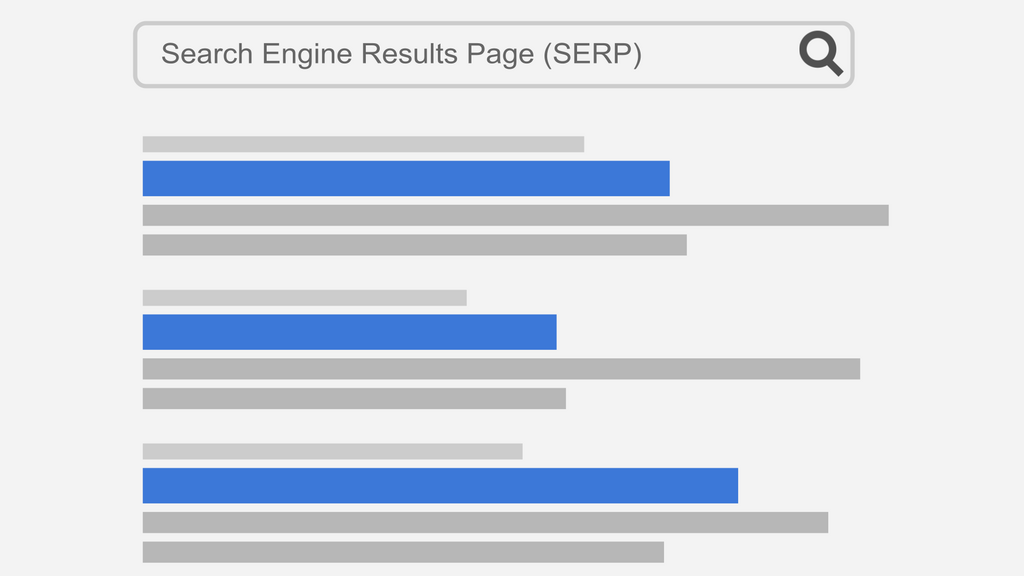
The goal is to connect you with the most authoritative and relevant existing information as quickly as possible.
Creating from Patterns
Generative AI, especially a Large Language Model (LLM), is more like a storyteller. It has read a significant portion of the library but instead of just remembering where each book is, it has learned the patterns of language, ideas, and connections between topics.
When you give it a prompt, it doesn't search for a specific page. Instead, it uses its understanding of these patterns to generate something entirely new. It predicts the most likely next word, then the next, and so on, to construct a coherent sentence, paragraph, or even an entire essay. The result is a unique piece of content synthesized from its training data, not a copy of something that already exists.
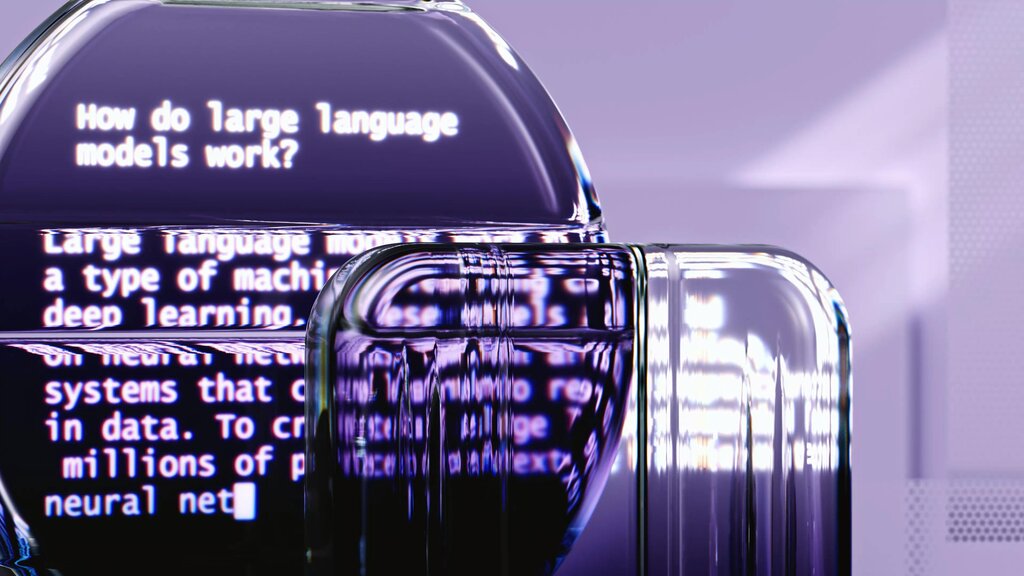
Generative AI goes a step further, producing entirely new content like text, images, or code based on learned patterns.
Core Differences
The fundamental difference lies in their core function: retrieval versus creation. One finds what's already there, while the other makes something new. This distinction leads to different strengths, weaknesses, and ideal use cases for each technology.
| Feature | Traditional Search Engine | Generative AI Model |
|---|---|---|
| Primary Function | Retrieves existing information | Creates new content |
| Source | Indexed web pages | Internal learned patterns |
| Output | A ranked list of links | Synthesized text, images, or code |
| Goal | Direct you to the best source | Provide a direct answer or creation |
You would use a search engine to find a specific news article from last week, compare prices for a product, or visit a particular website. The goal is discovery.
You would use generative AI to draft an email, summarize a complex topic, write a poem, or debug a piece of code. The goal is creation or synthesis.
Applications and Limits
The two technologies are not mutually exclusive. In fact, they are increasingly being combined. Modern search engines now often include AI-generated summaries at the top of their results, attempting to give you a direct answer before you click any links.
However, it's crucial to understand their limitations. Traditional search can sometimes be overwhelming, forcing you to sift through many pages to piece together an answer. Generative AI, on the other hand, has a significant weakness: it can be confidently wrong.
Because generative AI is designed to create plausible-sounding text, it can sometimes "hallucinate"—making up facts, sources, or details that don't exist. It's generating what it predicts should come next, not verifying against a live source.
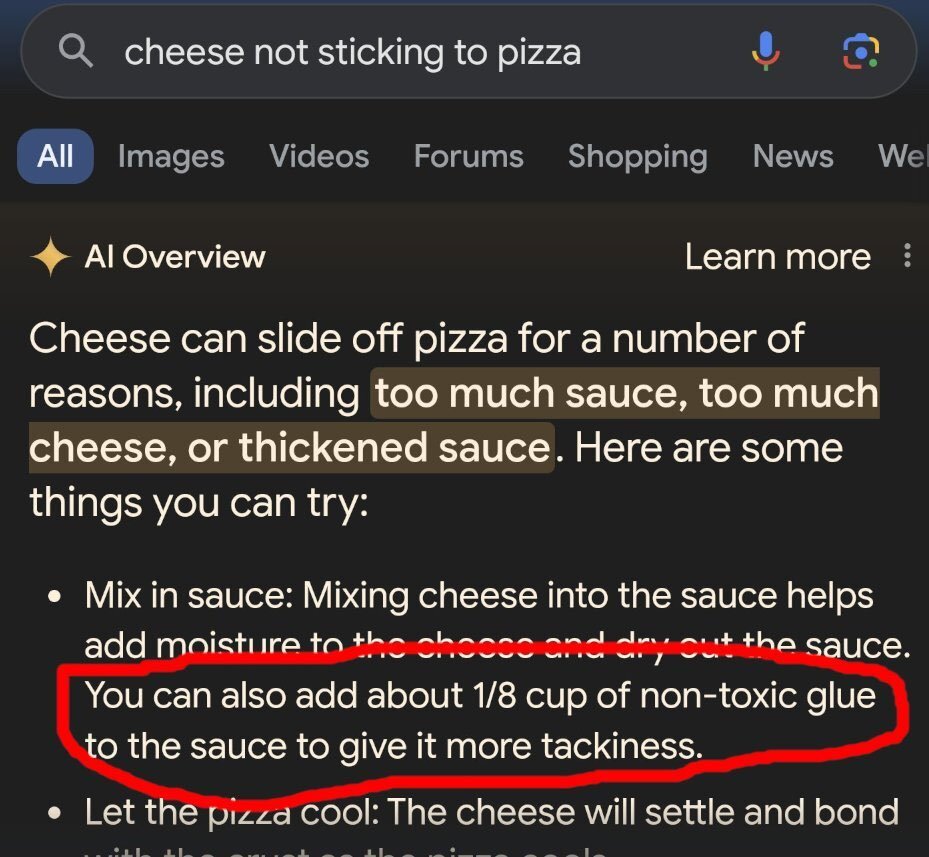
This makes search engines the better tool when accuracy and source verification are critical. Generative AI excels at creative and summarization tasks where the exact source of every piece of information is less important than the final synthesized output.
What is the primary function of a traditional search engine?
Based on the text, which analogy best describes a Large Language Model (LLM)?
Understanding these core differences allows you to choose the right tool for your task, whether you're looking for a needle in a haystack or asking someone to weave you a new tapestry.