Mastering Rabbit Husbandry and Behaviour
Dietary Fibre Management
The 80-15-5 Rule
A rabbit's digestive system is a finely tuned engine designed for one primary fuel: fibre. Specifically, long-strand fibre. Forgoing this isn't just a dietary misstep; it's a direct route to serious health problems. The key to a healthy rabbit is understanding the balance of their diet, which can be summarised by the '80-15-5' rule. This simple ratio is the foundation of proper lagomorph nutrition.
This means a rabbit's daily food intake should consist of roughly 80% high-quality hay, 15% fresh leafy greens, and no more than 5% high-fibre pellets. Hay is the cornerstone, providing the essential fibre for gut motility and dental health. Leafy greens add variety, hydration, and essential micronutrients. Pellets are a supplement, not a staple, designed to fill any nutritional gaps left by the hay and greens.
Hay: The Main Event
Unlimited access to fresh, high-quality hay is non-negotiable. Rabbits have continuously growing teeth, and the abrasive action of chewing long-strand hay is what grinds them down naturally. This is due to the presence of phytoliths, which are microscopic structures within the grass. Chewing hay works the teeth in a specific side-to-side motion that pellets and soft foods cannot replicate, preventing painful dental spurs and malocclusion.
Not all hay is created equal. The most common and recommended types for adult rabbits are Timothy and Meadow hay. Alfalfa hay, being a legume rather than a grass, is much higher in protein and calcium and should generally be reserved for growing young rabbits (under 6 months) or nursing does.
The cornerstone of a rabbit’s diet is unlimited high-quality grass hay – timothy, orchard grass, or meadow hay for adults, with alfalfa reserved for babies and nursing mothers due to its higher calcium content.
The 'cut' of the hay is also important. A first-cut hay is coarser, higher in fibre, and lower in protein and fat. A second-cut is leafier, softer, and more nutrient-dense. While fussier rabbits might prefer the second cut, the first cut is generally better for dental wear. A good approach is to offer a mix. When selecting hay, look for green, sweet-smelling strands. Avoid hay that is dusty, brown, or has a musty odour, as this indicates poor quality and potential mould.
Greens and Pellets
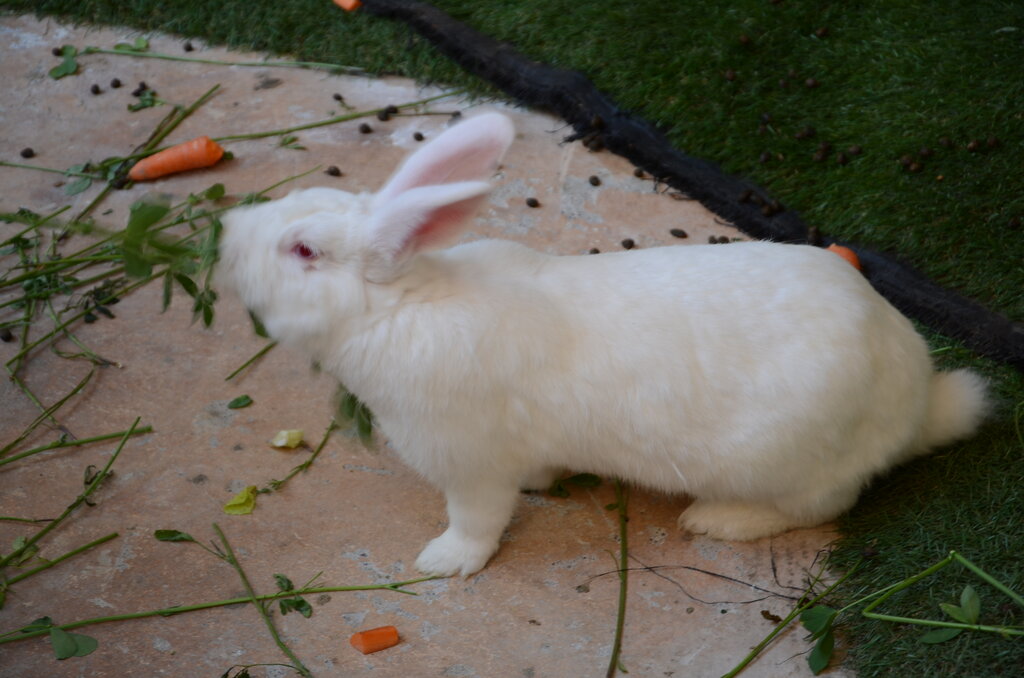
The 15% portion of a rabbit's diet should be a variety of safe leafy greens. A good rule of thumb is to offer about one packed cup of greens per kilogram of body weight daily. Variety is key to providing a balanced range of vitamins and minerals. However, some vegetables should be given in moderation. Vegetables high in calcium, like kale and spinach, can contribute to bladder sludge and stones if overfed. Carrots and fruits are high in sugar and should be considered occasional treats, not daily staples.
| Safe Daily Greens | Greens for Moderation | Toxic/Unsafe |
|---|---|---|
| Romaine Lettuce | Kale, Spinach | Iceberg Lettuce |
| Rocket | Parsley | Rhubarb Leaves |
| Coriander | Dandelion Greens | Potato Plants |
| Watercress | Broccoli (stems/leaves) | Avocado |
| Basil | Cabbage | Most houseplants |
The final 5% is for high-fibre pellets. The primary purpose of pellets is to provide a consistent source of nutrients that might be variable in hay. Look for Timothy-based pellets with a crude fibre content of at least 18%, ideally over 20%. Avoid muesli-style mixes, as they encourage selective feeding, where the rabbit picks out the sugary, starchy pieces and leaves the high-fibre pellets, leading to an imbalanced diet.
Calculating the correct pellet ration is critical to prevent obesity. Don't use a scoop or guess. Rations should be based on the rabbit's ideal body weight. A common guideline is 25 grams of pellets per kilogram of ideal body weight per day.
For a rabbit with an ideal weight of 2 kg, the calculation would be:
This total should be split into two feedings, morning and evening. Always use a kitchen scale to weigh the pellets accurately.
Time to check your understanding of dietary fibre management for rabbits.
What does the '80-15-5' rule for a rabbit's daily diet represent?
Which type of hay is high in calcium and protein, making it suitable for young, growing rabbits but generally not for healthy adults?
Mastering a rabbit's diet is the single most important thing an owner can do for their long-term health. By adhering to the 80-15-5 rule and choosing high-quality components, you provide the foundation for excellent dental and digestive function.