Mastering Quranic Recitation and Understanding
Recitation Precision
Refining Your Recitation
You already know the Arabic letters and their basic sounds. Now, we move from simply identifying letters to reciting them with the precision and flow of a skilled Qari. This isn't about learning new letters, but about mastering the subtle interactions between them in continuous speech. It's the difference between spelling out words and speaking a language fluently.
The foundation of this fluency lies in perfecting your understanding of articulation points (Makharij and attributes (Sifaat). It's not enough to know where the letter ق comes from; you must produce its deep, emphatic sound consistently, especially when it’s next to a lighter letter like ت. This level of control is what allows the majestic sound of the Quran to emerge, preserving its meaning and divine cadence.
Tajweed, the discipline of rules guiding the accurate pronunciation and recitation of the Quran, is essential in safeguarding its meaning and elegance.
The Flow of Noon and Meem
Two of the most important letters for achieving smooth recitation are Noon (ن) and Meem (م), specifically when they are silent (Sakinah). The rules governing Noon Sakinah (نْ) and Tanween (ـًـــٍـــٌ) are identical because Tanween is essentially a Noon Sakinah in sound, just not in script. How you pronounce them depends entirely on the letter that follows.
| Rule | Triggered By | How to Pronounce |
|---|---|---|
| Izhar (إظهار) | ء ه ع ح غ خ | Pronounce the Noon or Tanween sound clearly, without any nasalization (Ghunnah). |
| Idgham (إدغام) | ي ر م ل و ن | Merge the Noon or Tanween into the following letter. With ي و م ن, this merge has a nasal sound (Ghunnah). With ر and ل, there is no Ghunnah. |
| Iqlab (إقلاب) | ب | Flip the Noon or Tanween sound into a light Meem (م) sound with Ghunnah. |
| Ikhfa (إخفاء) | The remaining 15 letters | Hide the Noon or Tanween sound, producing a light nasal sound that prepares the mouth for the next letter. |
Think of these rules as the grammar of recitation. For example, in the phrase "مِنْ وَلِيٍّ" (min waliyyin), you don't say the 'n' sound clearly. Instead, the Noon Sakinah merges into the و, a rule called with Ghunnah. Similarly, in "أَنْتُمْ" (antum), the Noon Sakinah is not pronounced clearly but is hidden with a light nasal sound in anticipation of the ت, a rule known as Shafawi.
The Meem Sakinah (مْ) follows a similar, but simpler, set of rules.
| Rule | Triggered By | How to Pronounce |
|---|---|---|
| Idgham Shafawi (إدغام شفوي) | م | Merge the Meem Sakinah into the following Meem, creating one emphasized Meem (مّ) with Ghunnah. |
| Ikhfa Shafawi (إخفاء شفوي) | ب | Lightly touch the lips together to pronounce the Meem, hiding it slightly with Ghunnah, before pronouncing the Baa. |
| Izhar Shafawi (إظهار شفوي) | The remaining 26 letters | Pronounce the Meem clearly and distinctly without any lingering nasal sound. |
The Music of Ghunnah
The nasal sound, or Ghunnah, is not a simple on-or-off feature. It has varying levels of length and emphasis depending on the context. Mastering these levels adds a crucial layer of melody and precision to your recitation. The most emphasized Ghunnah occurs when you see a Noon or Meem with a Shaddah (نّ / مّ).
Applying these rules correctly allows you to achieve Tarteel—a slow, measured, and rhythmic recitation. Tarteel is not just about reading slowly; it's about giving every letter its due right and characteristic, connecting words and verses in the manner they were revealed. This precision ensures that the recitation is not only beautiful to hear but also preserves the intended meaning of the divine text.
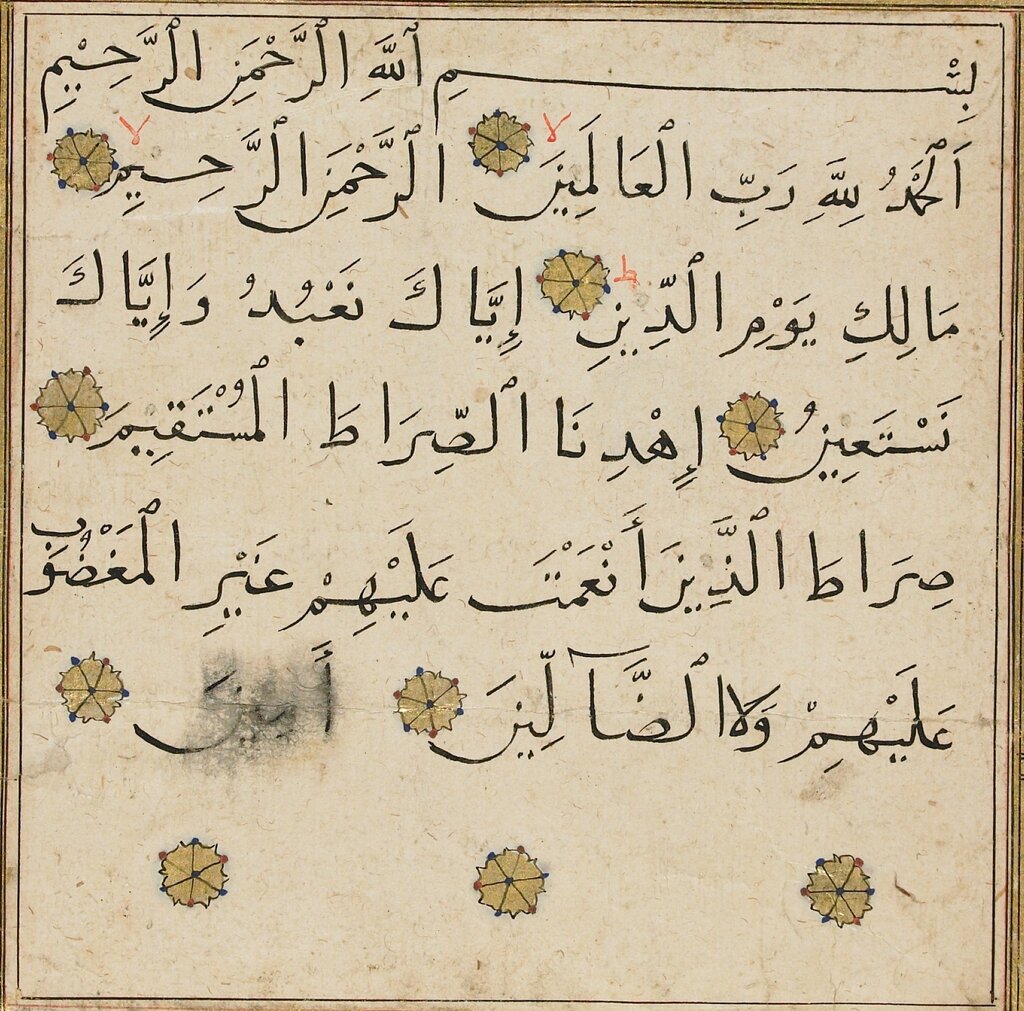
Time to practice what you've learned.
What is the primary purpose of mastering Makharij (articulation points) and Sifaat (attributes) in Quranic recitation?
In the phrase "مِنْ وَلِيٍّ" (min waliyyin), the Noon Sakinah (نْ) merges into the following letter (و) with a nasal sound (Ghunnah). What is this rule called?