Mastering Quadrupedalism
Introduction to Quadrupedalism
The Four-Footed Foundation
Quadrupedalism
noun
A form of terrestrial locomotion in animals using four limbs or legs.
Moving on four limbs is one of nature's most successful strategies. From the smallest mouse to the largest elephant, quadrupedalism is the standard way of getting around for most land vertebrates. It provides a stable, efficient base for walking, running, and climbing.
Think of a table. With four legs, it's inherently stable. Tipping it over requires significant effort. A quadrupedal animal benefits from the same principle. With four points of contact on the ground, balance is easier to maintain, whether standing still or moving at high speed.
An Evolutionary Flashback
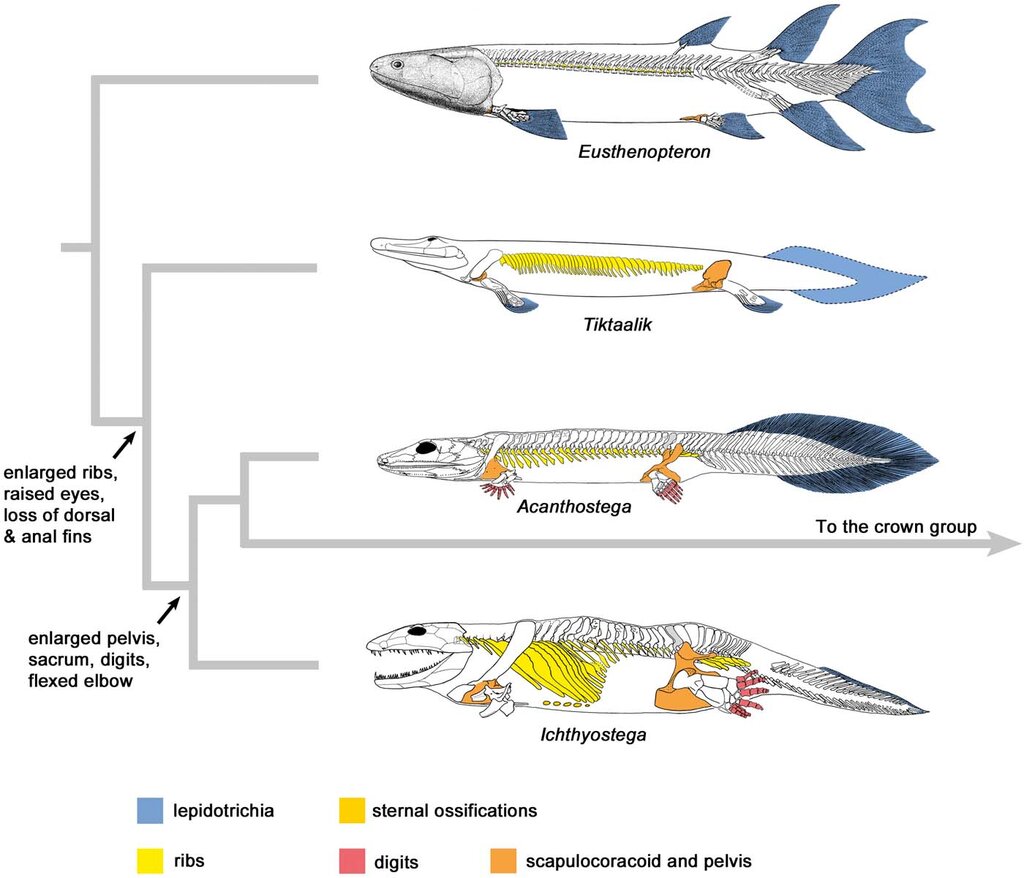
The transition from water to land millions of years ago set the stage for four-limbed movement. The fins of early fish evolved into the legs of amphibians, and this basic body plan was passed down through reptiles, mammals, and even to the ancestors of birds. For most of vertebrate history, four legs were the default.
Even in our own lives, we have a quadrupedal phase. As babies, we crawl on our hands and knees. This stage is crucial for developing strength, cross-body coordination, and spatial awareness. It's a built-in developmental milestone that connects us to our deep evolutionary past. We learn to coordinate opposite limbs, a skill that remains essential when we later walk on two feet.
The Mechanics of Movement
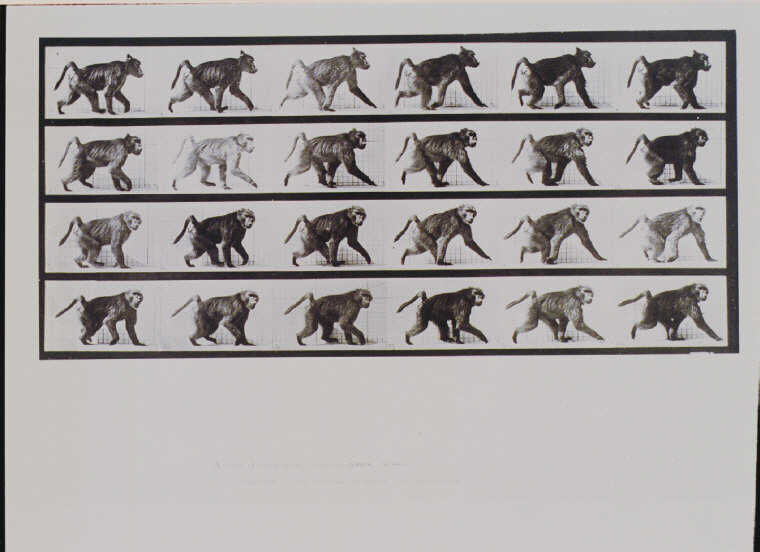
Quadrupedal locomotion isn't just about having four legs; it's about how they're used. The key is coordination. Animals use different patterns of leg movements, called gaits, to move at different speeds. A slow walk, a brisk trot, and a full-speed gallop each involve a unique, rhythmic sequence of lifting and placing the feet.
The animal's center of mass is the balancing point. To move forward without falling, the animal must constantly shift its weight to keep this center of mass supported by its limbs. During a walk, there are usually two or three feet on the ground at any given time, creating a very stable base. As speed increases, the pattern changes to allow for greater efficiency and power, sometimes even involving moments where all four feet are off the ground.
In quadrupedal animals, the centre of mass has to be forward of the hips so that their legs are able to drive them forward.
Modern Human Applications
While we evolved to walk upright, humans haven't completely abandoned quadrupedal movement. It has found a place in various physical disciplines, from fitness to acrobatics.
In fitness, exercises like the bear crawl, crab walk, and other "animal flow" movements are used to build full-body strength, improve mobility in the hips and shoulders, and challenge cardiovascular endurance. These movements force the core to work hard to stabilize the spine, and they require a high degree of coordination between the upper and lower body.
Practitioners of parkour and freerunning also use quadrupedal movements, often called "cat leaps" or quadrupedal landings, to navigate complex environments. Moving low to the ground on all fours can be faster and safer when clearing obstacles or absorbing the impact of a jump. It's a practical application of our body's forgotten potential for four-limbed locomotion.
By moving on all fours, we engage muscles in our shoulders, back, and hips that are often underused in our bipedal lives, promoting better balance and functional strength.
Now let's review the key ideas about moving on four limbs.
Ready to test your knowledge?
What is the primary reason that moving on four limbs provides a stable base for an animal?
The different patterns of leg movements used by animals to move at various speeds, such as a walk, trot, or gallop, are known as ______.
From our evolutionary roots to modern fitness, moving on four limbs is a fundamental part of the story of locomotion.