Mastering QSB Strategy and Tactics
Introduction to QSB
Welcome to QSB
QSB, which stands for Quantum System Balancing, is a strategic board game developed in the early 2000s by a collective of systems theorists. It wasn't designed to be a bestseller, but rather as an educational tool to model complex, interconnected systems. The creators wanted to build a game where players experienced the challenges of maintaining equilibrium in a dynamic environment, much like an ecosystem or a national economy.
The Goal of the Game
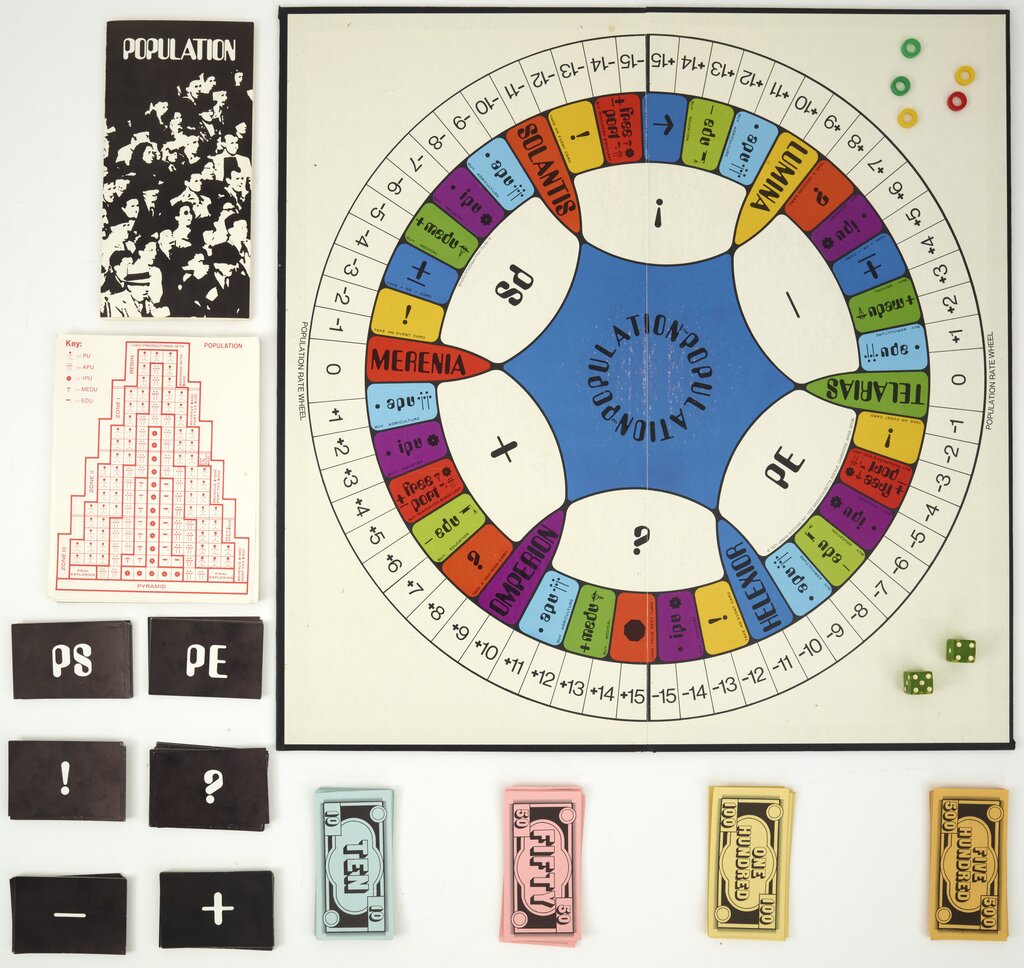
Unlike many games where the objective is to eliminate other players or hoard the most resources, the goal in QSB is to achieve and maintain balance. The game board represents a system with several key metrics, such as Growth, Stability, and Innovation. Your primary objective is to keep all these metrics within a healthy, stable range for a set number of rounds.
If any single metric drops too low or skyrockets too high, the entire system collapses, and all players lose. This cooperative tension forces players to think about the collective good rather than just their individual success. You win by helping the system thrive.
Your goal isn't to crush your opponents, but to collectively build a thriving, stable system.
How It Works
The gameplay mechanics are straightforward, but the decisions are complex. Each turn, a player draws an Event Card, which introduces a new challenge or opportunity into the system. The player then chooses from a set of available actions, like investing in new technology, implementing policy changes, or allocating resources.
Every action has a consequence. Investing heavily in Growth might lower your Stability. A new policy could boost Innovation but require a significant resource cost. Players must constantly weigh these trade-offs, anticipating not only the immediate effects of their actions but also the ripple effects they will have on the system and the other players.
After a player takes their action, the system's metrics are updated on the main board, giving everyone a clear picture of the current state of the game. Then, the turn passes to the next player. This simple loop forms the core of the game.
What's in the Box
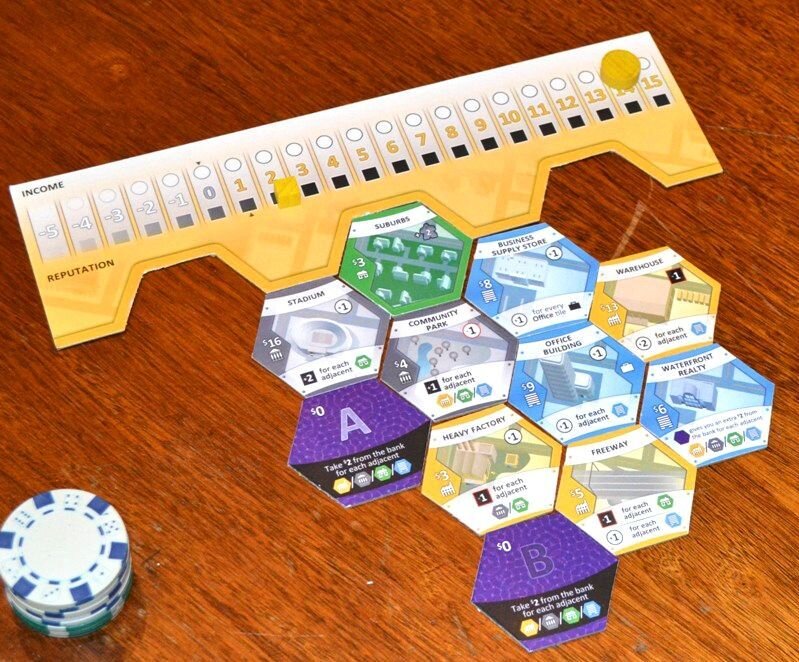
The game's components are designed to clearly represent the state of the system at all times. Here are the key pieces you'll work with:
| Component | Description |
|---|---|
| System Board | The main game board, featuring tracks for the core metrics like Growth and Stability. |
| Player Pawns | Represent the influence or focus of each player within the system. |
| Resource Tokens | Physical tokens representing the system's available capital, energy, and labor. |
| Event Cards | A deck of cards that introduce unexpected challenges and opportunities each round. |
Now that you have a basic understanding of the game's history, objective, and components, you're ready to learn the specific rules of play.