Mastering Public Speaking
Introduction to Public Speaking
What is Public Speaking?
Public speaking is simply the act of delivering a speech to a live audience. It’s a way to communicate ideas, share information, and influence others. While it might sound formal, we do it all the time. Think about presenting a project at work, giving a toast at a wedding, or even arguing your point in a class discussion. These are all forms of public speaking.
Mastering this skill can open doors. In a professional setting, it helps you lead meetings, pitch ideas, and represent your company. Academically, it’s crucial for presentations and debates. Socially, it builds confidence and helps you connect with people more effectively. It’s not just about talking; it’s about communicating with purpose and clarity.
A Quick Look Back
The art of public speaking, or rhetoric, has been valued for thousands of years. The ancient Greeks were among the first to study it systematically. The philosopher Aristotle broke down persuasive speaking into three core appeals that are still relevant today:
- Ethos: Establishing your credibility and character. Why should the audience trust you?
- Pathos: Appealing to the audience's emotions. How can you make them feel something?
- Logos: Using logic and reason. Does your argument make sense?
A strong speech balances all three. You need to be a trustworthy source (ethos), connect with your listeners on an emotional level (pathos), and present a logical case (logos).
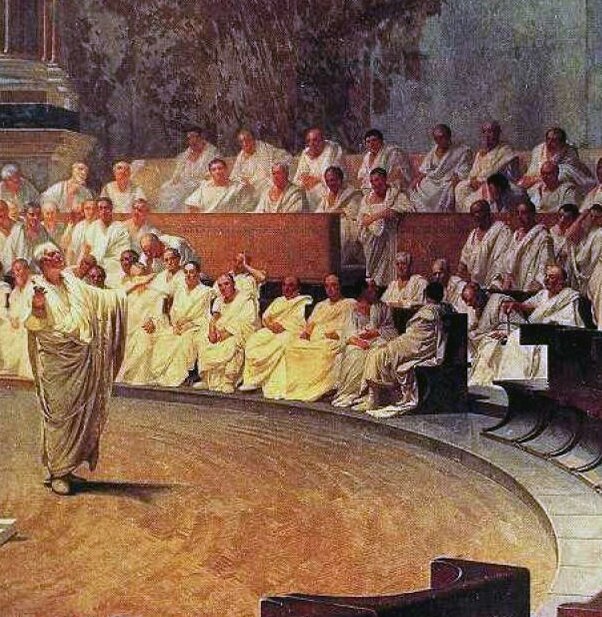
Later, the Romans built on Greek traditions. The statesman and philosopher Cicero was one of the most famous orators in history. He outlined five principles of rhetoric: invention (coming up with ideas), arrangement (structuring the speech), style (choosing your words), memory (learning the speech), and delivery (how you present it). These principles still form the foundation of public speaking training.
The Goals of a Speech
Every speech has a purpose. Generally, they fall into one of three categories: to inform, to persuade, or to entertain. Understanding your primary goal helps you focus your message and choose the right approach.
| Objective | Goal | Example |
|---|---|---|
| To Inform | To teach the audience something new. | A professor explaining a scientific concept. |
| To Persuade | To influence the audience's beliefs or actions. | A politician arguing for a new policy. |
| To Entertain | To amuse or delight the audience. | A comedian telling jokes or a best man giving a wedding speech. |
Sometimes these goals overlap. A persuasive speech might use entertaining stories, and an informative lecture can be more effective if it’s engaging. But you should always have one primary objective in mind to keep your speech clear and focused.
Taming the Fear
If the thought of speaking in front of a crowd makes your palms sweat, you're not alone. The fear of public speaking is incredibly common.
Glossophobia
noun
The fear of public speaking. It's a type of social anxiety disorder, characterized by a fear of being judged or scrutinized by others.
This anxiety can cause physical symptoms like a racing heart, shaking, and a dry mouth. While it can feel overwhelming, it is manageable. The first step is to recognize that a little nervousness is actually a good thing. It means you care about doing well.
Here are a few simple strategies to get started:
- Know Your Material: The better you understand your topic, the less you'll worry about forgetting something. Confidence comes from competence.
- Practice, Practice, Practice: Rehearse your speech out loud, first by yourself and then for a friend or family member. Familiarity with the material reduces anxiety.
- Focus on Your Message: Instead of worrying about what the audience thinks of you, concentrate on the value you are providing them. Shift your focus from performance to contribution.
Thorough preparation and practice are essential strategies for reducing public speaking anxiety, as they help speakers feel more confident and in control of their content and delivery
Let's check what you've learned about the basics of public speaking.
Which of the following everyday activities is considered a form of public speaking?
A political candidate tells a moving story about their childhood to connect with voters' feelings. Which of Aristotle's persuasive appeals are they primarily using?
Public speaking is a skill, and like any skill, it improves with practice. By understanding its history, purpose, and the common fears associated with it, you've taken the first step toward becoming a more confident and effective speaker.