Mastering Public Speaking
Fundamentals of Public Speaking
The Core of Communication
At its heart, public speaking is about one thing: getting an idea from your head into the heads of your listeners. Think of it as a conversation, just with a few more people. The goal is clarity, not complexity. Whether you're talking to one person or a thousand, the same principle applies. You are the sender, and they are the receiver. Your job is to make sure the message arrives intact.
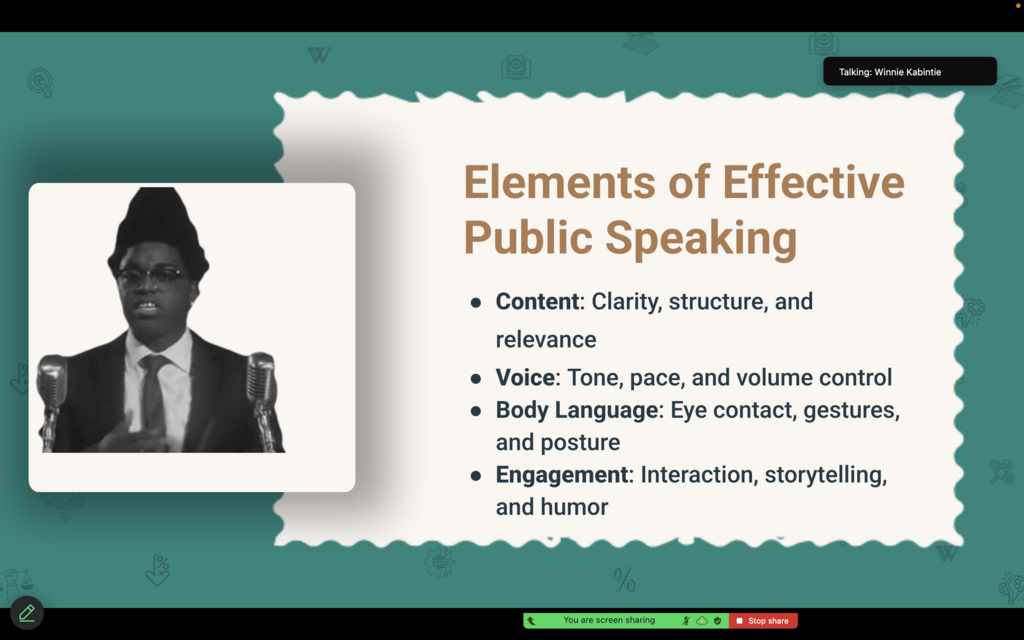
Effective communication isn't just about the words you say. It's also about your tone of voice and body language. These nonverbal cues often speak louder than your words. A confident posture, steady eye contact, and a clear, audible voice help your audience trust and understand your message. Without them, even the most brilliant ideas can fall flat.
Know Your Audience
Before you write a single word, you need to know who you're talking to. A speech is not for you; it's for your audience. Tailoring your message to their needs, interests, and knowledge level is the single most important thing you can do to ensure your speech succeeds.
Knowing your audience is crucial for persuasive speaking.
This process is called audience analysis. It doesn't have to be complicated. Just ask yourself a few simple questions:
Answering these helps you choose the right language, the right examples, and the right tone to connect with your listeners and make your message stick.
Give Your Speech a Skeleton
A good speech has a clear and simple structure. A listener can't "rewind" if they get lost, so it's your job to provide a logical path for them to follow. The most reliable structure is timeless for a reason: it works. Every speech needs a beginning, a middle, and an end.
- Introduction: Tell them what you're going to tell them.
- Body: Tell them.
- Conclusion: Tell them what you told them.
The introduction has two jobs: grab the audience's attention and state the purpose of your speech. Start with a surprising statistic, a compelling question, or a short story. Then, clearly state your main point.
The body is where you deliver your key ideas. Don't try to cover too much. Stick to two or three main points and support each one with evidence, examples, or stories. This is the meat of your presentation.
Finally, the conclusion summarizes your main points and leaves the audience with a powerful final thought. This is your last chance to make an impression, so end with confidence and clarity. Never end with "That's it" or "I guess I'm done."
Taming the Fear
If the thought of public speaking makes your heart pound, you're not alone. The fear of public speaking, or glossophobia, is incredibly common. But that feeling—the sweaty palms, the racing heart—is just your body's response to adrenaline. It's energy, and you can learn to channel it.
Glossophobia
noun
The fear of public speaking.
Confidence isn't about eliminating fear; it's about managing it. One of the best ways to do this is through preparation. When you know your material inside and out, you have less reason to be anxious. You're not trying to remember lines; you're just talking about something you know well.
Preparation is key to reducing public speaking anxiety.
Another powerful technique is to shift your focus. Instead of thinking about your own nervousness, concentrate on the value you're providing to your audience. Your goal is to share something useful with them. This simple change in perspective can move you from a state of fear to a state of service.
Finally, practice deep breathing. Before you speak, take a few slow, deep breaths. This simple action can slow your heart rate and calm your nerves, putting you in a more relaxed state to deliver your message effectively.
Ready to check your understanding? Let's see what you've learned about the fundamentals.
What is the primary goal of public speaking?
True or False: Your body language and tone of voice are just as important as the words you say.
By focusing on these core principles—clear communication, audience analysis, solid structure, and fear management—you build a strong foundation for any speaking opportunity.