Mastering Public Speaking
Fundamentals of Public Speaking
What is Public Speaking?
Public speaking is the act of delivering a message to a live audience. It’s a skill that goes far beyond formal speeches at a podium. You use it when you present an idea to your team, share a story with friends, or advocate for a cause you believe in. At its core, it’s about clear, effective communication.
Mastering this skill can open doors in your personal and professional life. In the workplace, it helps you lead meetings, pitch projects, and share your expertise. In your community, it allows you to influence others and make a difference. It also builds incredible self-confidence. The ability to stand before a group and share your thoughts clearly is empowering.
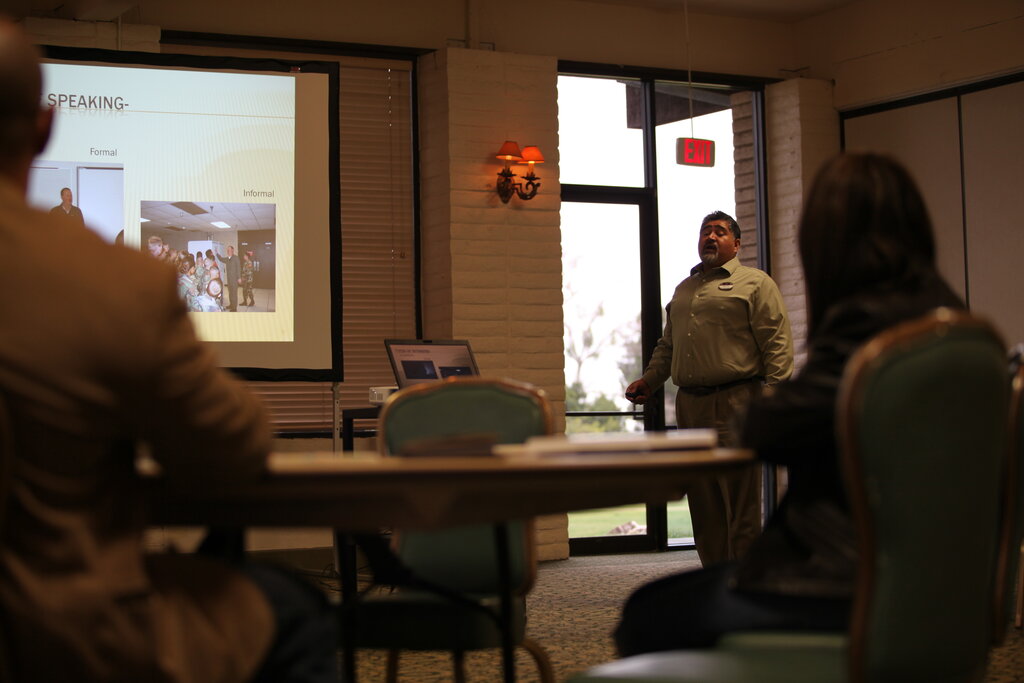
Want a leg up professionally? Need a career boost? Become a better public speaker.
How Communication Works
Effective speaking isn't a one-way street. It's a dynamic process involving several key elements. Understanding this process helps you see why some messages land perfectly while others fall flat.
Let's break it down:
- Sender: The person who initiates the communication. This is you.
- Message: The information or idea you want to convey. This includes your words, tone, and body language.
- Channel: The medium through which the message travels, like your voice in a room or a video call online.
- Receiver: The audience who receives and interprets the message.
- Feedback: The receiver's response, which can be verbal (questions) or non-verbal (nodding, confused expressions). Feedback tells the sender if the message was understood.
- Noise: Anything that interferes with the message. This could be literal noise, like a lawnmower outside, or psychological noise, like an audience member worrying about a deadline.
Great speakers are constantly aware of this loop. They watch for feedback and adjust their message to overcome noise, ensuring their ideas are received as intended.
Characteristics of an Effective Speaker
You don't need a booming voice or a dramatic flair to be a good public speaker. The most compelling speakers share a few fundamental qualities that anyone can develop.
| Characteristic | Why It Matters |
|---|---|
| Clarity | Your message is easy to understand. You avoid jargon and structure your thoughts logically. |
| Authenticity | You are genuine. Your personality shines through, and the audience trusts you more. |
| Confidence | You appear prepared and passionate about your topic, which makes your audience feel more secure. |
| Connection | You engage with your audience. You make eye contact and speak with them, not at them. |
Think of these as pillars. You build them with practice. Authenticity comes from knowing your material and being yourself. Confidence grows from thorough preparation. Connection is built by focusing on your audience's needs, not just your own.

Facing the Fear
Feeling nervous before speaking is completely normal. The fear of public speaking, or glossophobia, is one of the most common anxieties people experience. Your heart might race, your hands might get sweaty, and you might worry about forgetting your words. But this fear is manageable.
The key isn't to eliminate fear, but to learn how to manage it and use that energy to your advantage.
Here are a few simple strategies to get started:
- Prepare Thoroughly: The more you know your topic and have practiced your speech, the less you'll have to worry about. Confidence comes from competence.
- Focus on the Message: Shift your focus from your fear to the value you are providing your audience. Your goal is to share something important with them. This makes the speech less about you and more about the message.
- Breathe: When you feel anxiety rising, take a few slow, deep breaths. This simple act can calm your nervous system and help you think more clearly.
- Start Small: Practice speaking in lower-stakes situations, like asking a question in a meeting or sharing an idea with a small group of trusted colleagues. Every small success builds confidence for bigger stages.
Overcoming fear of public speaking is achievable through preparation, practice, and a shift in perspective.
Now, let's test your understanding of these core concepts.
What is the primary goal of public speaking?
In the communication process, a lawnmower roaring outside during your speech is an example of what?
Understanding these fundamentals is the first step. By focusing on clear communication, connecting with your audience, and managing your nerves, you're building a strong foundation for becoming a confident and effective speaker.