Mastering Public Procurement
Introduction to Public Procurement
What Is Public Procurement?
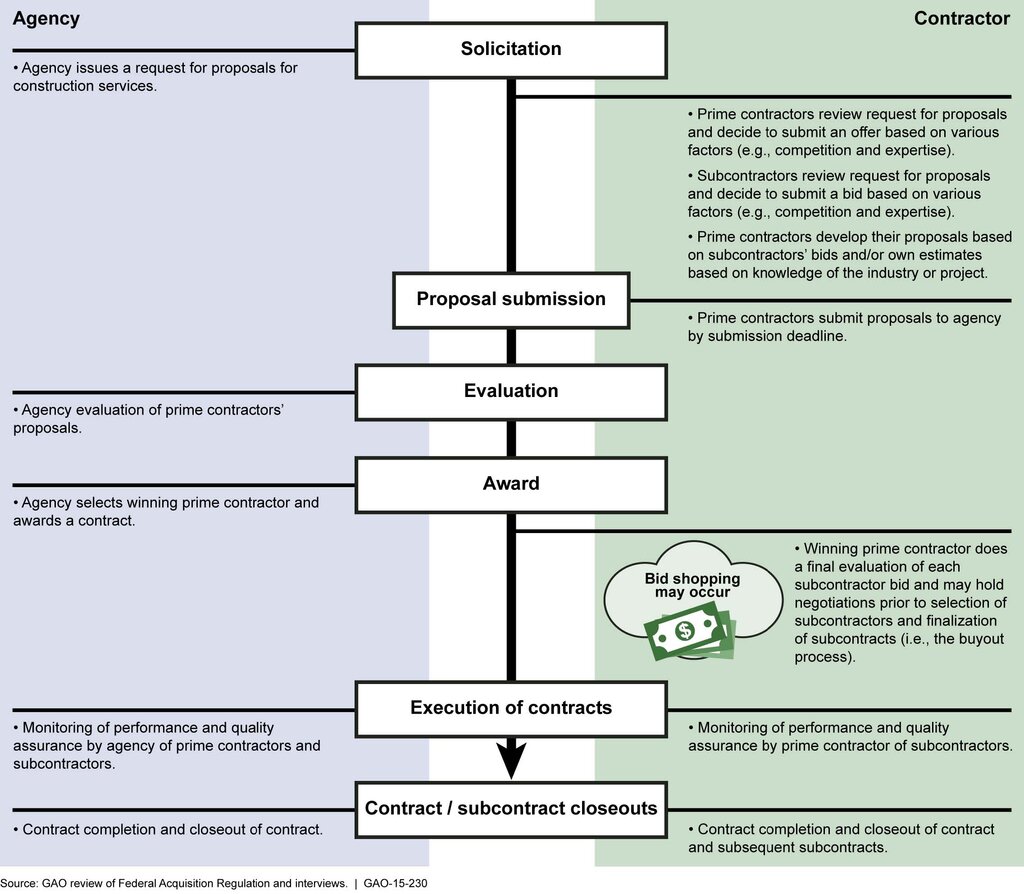
Imagine you need to buy a new laptop. You’d probably shop around, compare prices, check reviews, and pick the one that gives you the best features for your budget. Now, imagine you're buying laptops for every student in a school district, or hiring a company to build a new bridge. That's public procurement in a nutshell.
It’s the process governments and public entities use to purchase goods, services, and construction work. This isn't just about office supplies. It covers everything from building roads and hospitals to developing software for public services and buying uniforms for the police.
Procurement
noun
The action of obtaining or acquiring something.
This process ensures that massive projects and purchases are handled in a structured, fair way. It's the formal system for spending taxpayer money to get things done for the public good.
Why It Matters
Public procurement is one of the most significant activities of any government. It’s the engine that turns public funds into tangible services and infrastructure. The quality of the roads you drive on, the reliability of the local water supply, and the resources available in public schools are all directly affected by procurement decisions.
Effective procurement ensures that public money is used efficiently. When done right, it stimulates the economy by creating opportunities for businesses of all sizes to work with the government. It’s a powerful tool for delivering essential services and driving economic development.
A huge portion of a nation's tax revenue flows through its public procurement system, making it a critical area for good governance and fiscal responsibility.
The Guiding Principles
To make sure this massive spending process is fair and effective, public procurement is guided by a few core objectives. These principles help build public trust and ensure that decisions serve the community's best interests.
| Principle | What It Means |
|---|---|
| Transparency | The process is open and clear. Information about contracts, bids, and decisions is publicly accessible so everyone can see how money is being spent. |
| Competition | Multiple businesses are encouraged to bid for government contracts. This prevents favoritism and helps drive down prices while increasing quality. |
| Value for Money | The goal isn't just to find the cheapest option. It’s about securing the best possible outcome by balancing cost, quality, and long-term sustainability. |
Together, these objectives create a system designed to be accountable, efficient, and fair for taxpayers, government agencies, and the businesses they work with.
What is public procurement?
Which of the following scenarios is an example of public procurement?