Mastering Prototyping
Introduction to Prototyping
What Is a Prototype?
A prototype is an early, simplified version of a product. Think of it as a draft. It’s not the final, polished thing; it’s a model built to test an idea. Architects build small-scale models of buildings before construction starts. A writer creates an outline before drafting a book. In the same way, designers and builders create prototypes to explore concepts before committing to a final design.
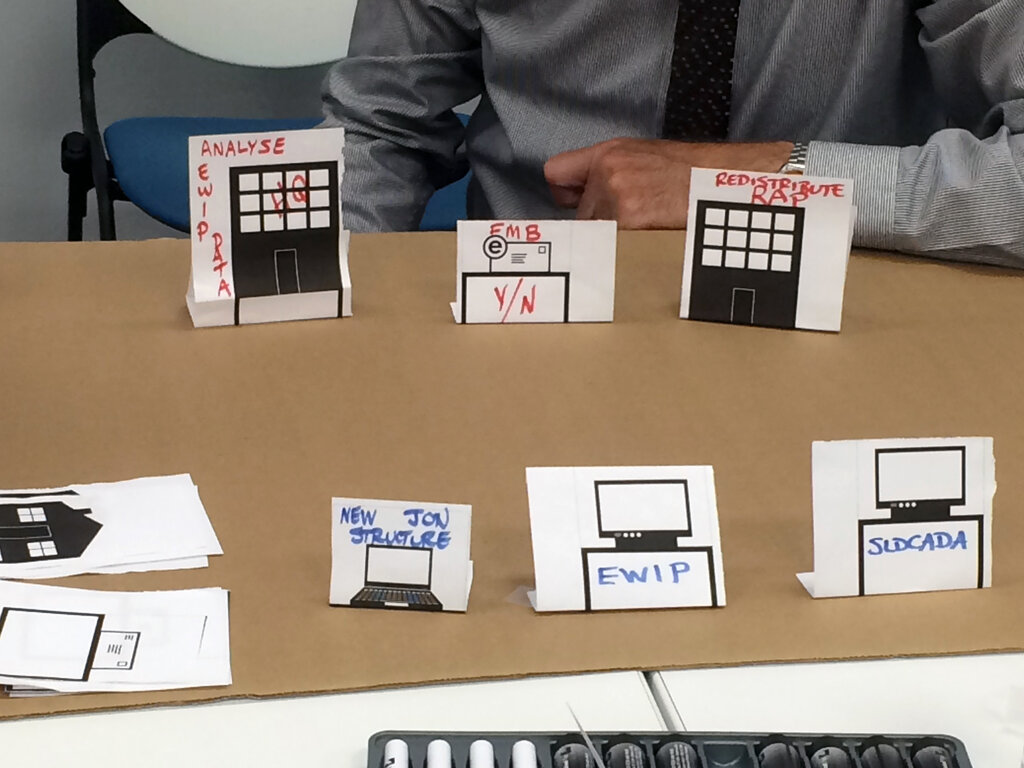
The main goal is to make an abstract idea tangible. It’s much easier to discuss, critique, and improve something you can see and touch, even if it’s just made of paper and tape. Prototypes can be anything from a rough sketch on a napkin to an interactive digital mockup that looks and feels like a real app.
A prototype isn’t meant to be perfect. It’s built to be tested, changed, and sometimes, thrown away. Its value is in the learning it provides.
Why Bother Prototyping?
Creating a prototype might seem like an extra step, but it's one of the most important parts of the design process. Building one saves a huge amount of time and money down the line.
Imagine building a whole house only to realize the kitchen layout is completely impractical. Moving walls in a finished house is expensive and difficult. But changing a floor plan on a blueprint? That's just a few new lines. Prototyping works the same way. It helps teams find and fix problems when they are still small and easy to solve.
Prototypes are also communication tools. They get everyone on the same page, from designers and engineers to investors and, most importantly, the people who will actually use the product. Getting feedback on a working model is far more effective than trying to explain a concept with words alone.
Different Ways to Prototype
Prototyping isn't a one-size-fits-all activity. The right kind of prototype depends on what you need to learn. Methodologies range from very simple and fast to highly detailed and complex.
Early in a project, you might just need to test a basic concept. Simple sketches or paper mockups are perfect for this. They're quick to make and easy to change. As the idea becomes more refined, the prototypes can become more detailed. This might involve creating interactive digital models that users can click through, or even building a basic physical version with working parts.
| Approach | Effort to Create | Main Goal |
|---|---|---|
| Simple Sketches | Very Low | Explore many ideas quickly |
| Paper Mockups | Low | Test layout and user flow |
| Digital Wireframes | Medium | Define structure and functionality |
| Interactive Models | High | Test user interaction and feel |
Each method serves a purpose. The key is to start simple to validate the core idea, then gradually add detail as you gain confidence and gather feedback. This iterative process of building, testing, and learning is what turns a rough concept into a successful final product.
What is the primary purpose of a prototype in the design process?
What is a major benefit of creating a prototype early in the design process?