Mastering Prompt Engineering
Introduction to Prompt Engineering
The Art of the Ask
Working with a large language model (LLM) is like having a conversation with a brilliant, knowledgeable, but very literal assistant. To get a useful response, you need to ask the right way. That's where prompts come in.
A prompt is simply the instruction you give to an AI. It can be a question, a command, or a piece of text to complete. The goal is to guide the model toward the specific output you have in mind.
Prompt
noun
An instruction or query given to a large language model to elicit a specific response.
Think of ordering coffee. You wouldn't just say "Get me coffee." You'd specify the size, the type of milk, and whether you want sugar. The more precise your order, the closer you get to your perfect drink. Prompting an AI works the same way. The quality of your input directly shapes the quality of the output.
It's the same principle in prompt engineering, as detailed coffee orders lead to better coffee, specific good prompts can produce more relevant and refined AI responses.
From Vague to Valuable
The design of your prompt has a huge impact on the AI's performance. A vague prompt will almost always lead to a generic or unhelpful answer. A precise, well-structured prompt provides the necessary guardrails for the model to deliver a focused and relevant response.
Let's compare two prompts. Imagine you need marketing copy for a new brand of eco-friendly running shoes.
Vague Prompt: Write an ad for new shoes.
This prompt gives the model almost nothing to work with. The AI has to guess the type of shoe, the target audience, the key features, and the desired tone. The result will likely be bland and generic.
Precise Prompt: Write three short, punchy marketing slogans for 'TerraStride,' a new running shoe made from recycled ocean plastic. The target audience is environmentally conscious millennials. The tone should be inspiring and energetic.
This second prompt provides critical context: the product name, key feature (recycled plastic), target audience, and desired tone. By being specific, you guide the model to produce a much more useful and targeted result.
The Rise of Prompt Engineering
As AI models have grown more powerful, the methods for interacting with them have evolved. In the early days, communicating with AI required specialized programming skills. Now, with LLMs, the interface is natural language. This shift has given rise to a new discipline: prompt engineering.
Prompt engineering is the craft of designing and refining inputs to get the best possible results from an AI. It's a mix of art and science, requiring creativity, logic, and an understanding of how the model thinks. It's not about coding; it's about communicating effectively.
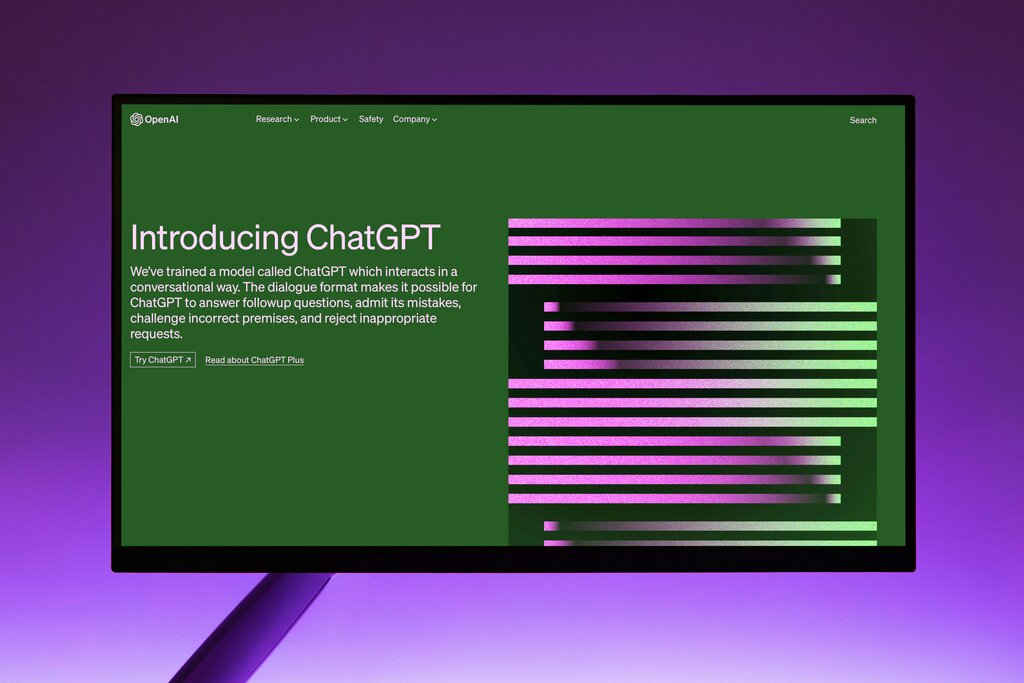
The significance of prompt engineering has grown alongside the adoption of AI in various fields. From software development and marketing to scientific research and creative writing, well-crafted prompts are essential for unlocking the full potential of these powerful tools. It's the key skill for anyone looking to use AI productively and reliably.
Ready to test your understanding?
What is a prompt in the context of a large language model (LLM)?
According to the text, a vague prompt will most likely lead to what kind of response?
Learning to structure your requests is the first step toward mastering AI communication.