Mastering Prompt Engineering
Introduction to Prompt Engineering
What Is Prompt Engineering?
Think of an AI model like a fantastically knowledgeable, but very literal, assistant. It knows a huge amount, but it needs clear instructions to give you what you actually want. Prompt engineering is the skill of giving those instructions. It’s how you talk to an AI to get the most useful and accurate response.
Prompt engineering is the practice of crafting a prompt for generative AI that produces a quality response.
Without good prompts, an AI might give you a generic, unhelpful, or even incorrect answer. But with a well-crafted prompt, you can guide the AI to brainstorm ideas, write in a specific style, summarize a complex document, or even help you write code. It’s the difference between asking a chef to “make some food” and asking for “a spicy vegetarian curry with coconut milk, served with basmati rice.” The more specific your request, the better the result.
Prompt
noun
The input, typically text, given to an AI model to instruct it to perform a task.
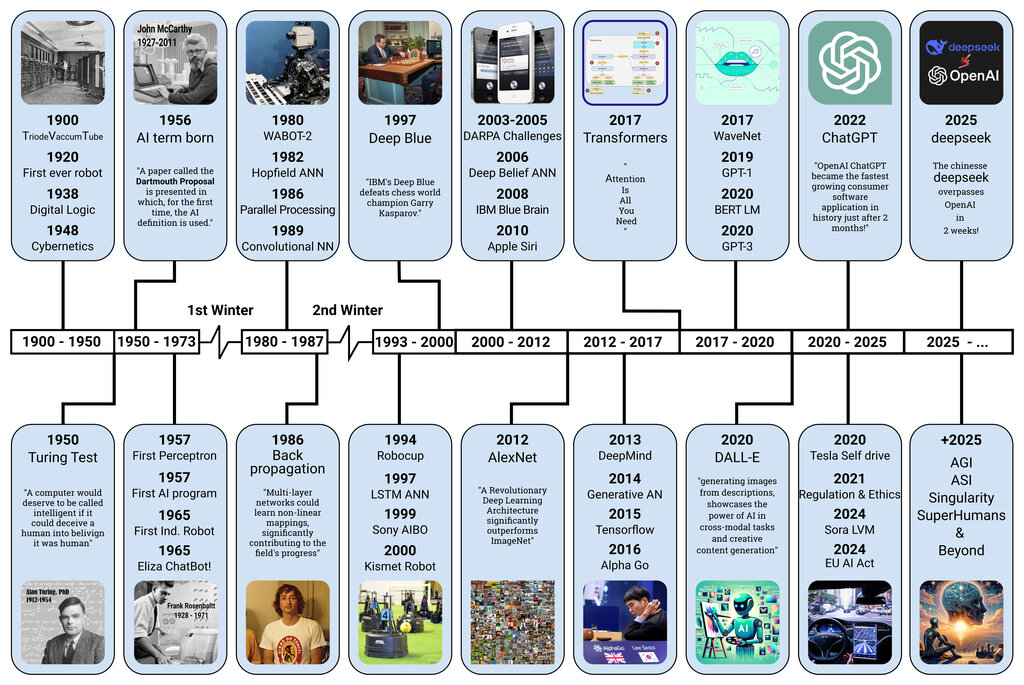
A Brief History
Communicating with computers has always been about learning their language. Early on, that meant using punch cards or complex programming languages. Over time, interfaces became more user-friendly, moving to graphical interfaces with mice and touchscreens.
The arrival of powerful large language models (LLMs) changed the game again. For the first time, you could talk to a computer using everyday language. But users quickly realized that the way you ask matters. Vague questions led to vague answers. The practice of carefully designing these questions, or prompts, to improve the AI's output quickly became known as prompt engineering.
Core Principles of Good Prompts
While there are many advanced techniques, most of effective prompt design boils down to a few core ideas. Mastering these fundamentals will dramatically improve the quality of your AI interactions.
Be Clear and Specific: Avoid ambiguity. Instead of asking, “Tell me about cars,” try, “Explain the basic principles of an internal combustion engine for a beginner.”
Provide Context: Give the AI the background information it needs to understand your request. If you want it to write an email, tell it who the recipient is, what your relationship is, and what the goal of the email is. For example: “Draft a professional but friendly email to my team (Sarah, Mike, and Jen) congratulating them on launching the new project and highlighting their hard work.”
Set the Scene: Assign the AI a role or persona. Starting a prompt with “You are an expert travel agent specializing in budget-friendly trips to Southeast Asia” will yield very different results than “You are a luxury travel blogger.”
Guide the Format: Tell the AI exactly how you want the output structured. You can ask for a bulleted list, a table, a JSON object, or a poem. For instance: “List the top five largest cities in the world by population in a markdown table with columns for City, Country, and Population.” This level of instruction removes guesswork and gives you a response that’s immediately usable.
Why It Matters
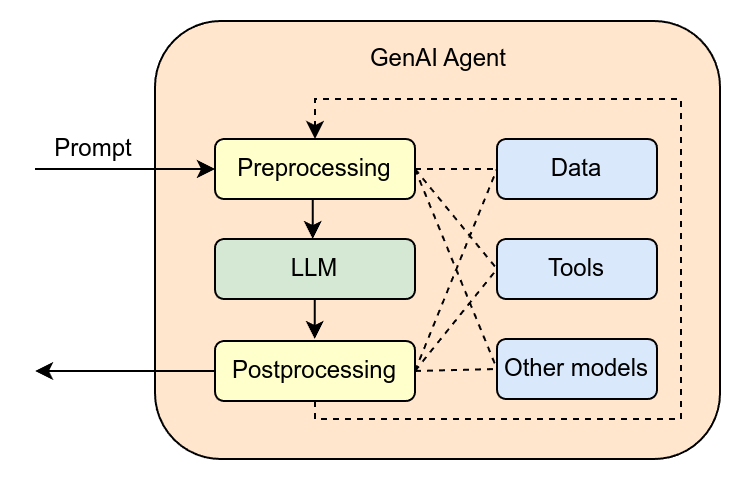
Good prompt engineering is more than just a neat trick; it directly impacts the performance and reliability of AI models. A well-designed prompt can reduce errors, prevent the AI from generating nonsensical or “hallucinated” information, and ensure the output is relevant to your specific needs.
As AI becomes more integrated into our daily work and creative processes, the ability to communicate effectively with these models is becoming a crucial skill. It empowers you to move beyond generic answers and truly collaborate with AI as a tool for problem-solving and creation.
Time to check what you've learned.
What is the primary goal of prompt engineering?
According to the text, which of these is a core idea of effective prompt design?
By mastering these basic principles, you can start unlocking the true potential of AI models.