Mastering Prompt Engineering for LLMs
Introduction to Prompt Engineering
What Is Prompt Engineering?
Interacting with a powerful AI, like a large language model (LLM), is a conversation. You give it an instruction, and it gives you a response. But the quality of that response depends entirely on the quality of your instruction. This is the core idea behind prompt engineering.
Prompt engineering is the practice of crafting inputs—called prompts—to get the best possible results from large language models.
Think of the AI as an incredibly knowledgeable but very literal assistant. If you ask a vague question, you'll get a vague answer. For example, telling an AI to "write about cars" might produce a generic paragraph about the history of automobiles. It's not wrong, but it's probably not what you wanted.
Now, consider a more engineered prompt: "Write a 100-word summary of the key differences between electric and gasoline-powered cars, aimed at a high school student." This specific instruction gives the AI clear constraints and context, leading to a much more useful and targeted response.
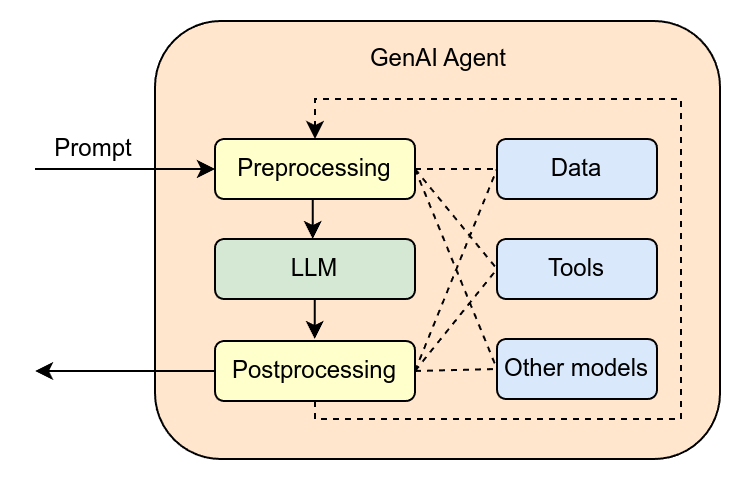
Effective prompt engineering isn't about tricking the AI. It's about communicating clearly. By refining how you ask for something, you guide the model to access its vast knowledge in a structured way, helping it deliver exactly what you need. It’s the difference between pointing a camera in a general direction versus carefully framing a shot.
User vs. System Prompts
When you chat with an AI, you’re using what's called a user prompt. It's the most direct and common type of prompt—the specific question or command you type into the chat box. Each time you ask for something new, you're creating a new user prompt.
But there's another, less visible type of instruction at play: the system prompt. A system prompt is a set of background instructions given to the AI before your conversation even starts. It defines the AI's persona, its capabilities, and the rules it should follow. It's like telling an actor their character's personality and motivations before they go on stage.
For example, a system prompt might tell a chatbot: "You are a helpful and friendly assistant who speaks in a slightly formal tone. Do not use slang. Your goal is to provide clear, concise answers."
This behind-the-scenes guidance shapes the entire conversation without you ever seeing it. The user prompt is your specific request in the moment, while the system prompt sets the overall stage for the interaction.
| Feature | User Prompt | System Prompt |
|---|---|---|
| Visibility | Directly visible to the user | Usually hidden from the user |
| Purpose | Asks a specific question or gives a command | Sets the AI's persona, rules, and goals |
| Timing | Provided for each new request | Set once at the start of a session |
| Example | "What's the capital of Australia?" | "You are a helpful geography tutor." |
Understanding these basic concepts is the first step in learning to communicate effectively with AI. By recognizing the difference between a simple request and a well-crafted prompt, you can begin to unlock the full potential of these powerful tools.
What is the core idea behind prompt engineering?
A system prompt is a set of background instructions that defines the AI's persona and rules for the conversation.