Mastering Prompt Engineering for AI
Introduction to Language Models
The Brains of the Operation
At the heart of every large language model (LLM) is a concept inspired by the human brain: the neural network. Think of it as a web of interconnected digital “neurons” organized in layers. Each neuron is a tiny decision-maker, and together, they learn to recognize complex patterns.
A basic neural network has three main parts:
- Input Layer: This is where data enters the network. For a language model, the input is text, broken down into pieces called tokens.
- Hidden Layers: These are the middle layers where the real work happens. Information from the input layer is passed through these layers, with each neuron processing it and passing it along to the next. The more hidden layers a network has, the more complex the patterns it can learn. This is where the term “deep learning” comes from.
- Output Layer: After passing through all the hidden layers, the processed information arrives here. The output layer produces the final result, such as the next word in a sentence.
When you give a model a prompt, the words are converted into numbers and fed into the input layer. Each neuron in the hidden layers weighs the importance of its inputs, makes a calculation, and passes its result forward. This chain reaction continues until the output layer produces a prediction.
Learning to Speak
A language model isn't programmed with grammar rules or facts. Instead, it learns by example—trillions of them. The training process involves feeding the model a massive dataset of text from books, websites, articles, and more.
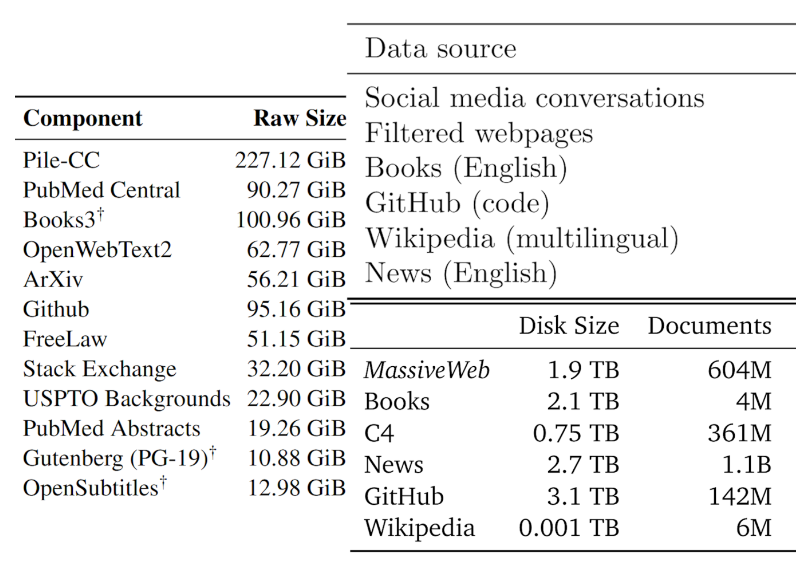
The model's primary goal during training is simple: predict the next word. It's given a snippet of text, like “The cat sat on the…”, and it makes a guess. Initially, its guesses are random. But each time it guesses, it compares its prediction to the actual word in the training data (in this case, “mat”).
If the guess is wrong, the model calculates its “error” and adjusts the internal connections—the weights—between its neurons. This process is repeated billions of times. Over time, the model's weights are fine-tuned, and it gets incredibly good at predicting the next word based on the patterns it has learned from the data.
This learning process is a bit like a student studying for a test. The more practice questions they do (data), the better they become at recognizing patterns and getting the right answer.
Generating a Response
Once trained, a language model can generate text. When you enter a prompt, the model doesn't just pull a pre-written answer from memory. It builds the response one token at a time.
Here’s how it works:
- The model processes your prompt.
- Based on the patterns it learned during training, it calculates the probability for every possible next token in its vocabulary.
- It selects a token. This isn't always the single most probable one; a bit of randomness is often introduced to make responses more creative and less repetitive.
- This newly chosen token is added to the input sequence.
- The process repeats. The model looks at the original prompt plus the token it just generated and predicts the next token.
This token-by-token generation continues until the model reaches a stopping point, such as a natural end to a sentence or a predefined length limit. The final string of tokens is then presented to you as the model's response. Every word you see is the result of a fresh set of predictions based on the words that came before it.