Mastering Prompt Engineering
Introduction to Large Language Models
What Are Large Language Models?
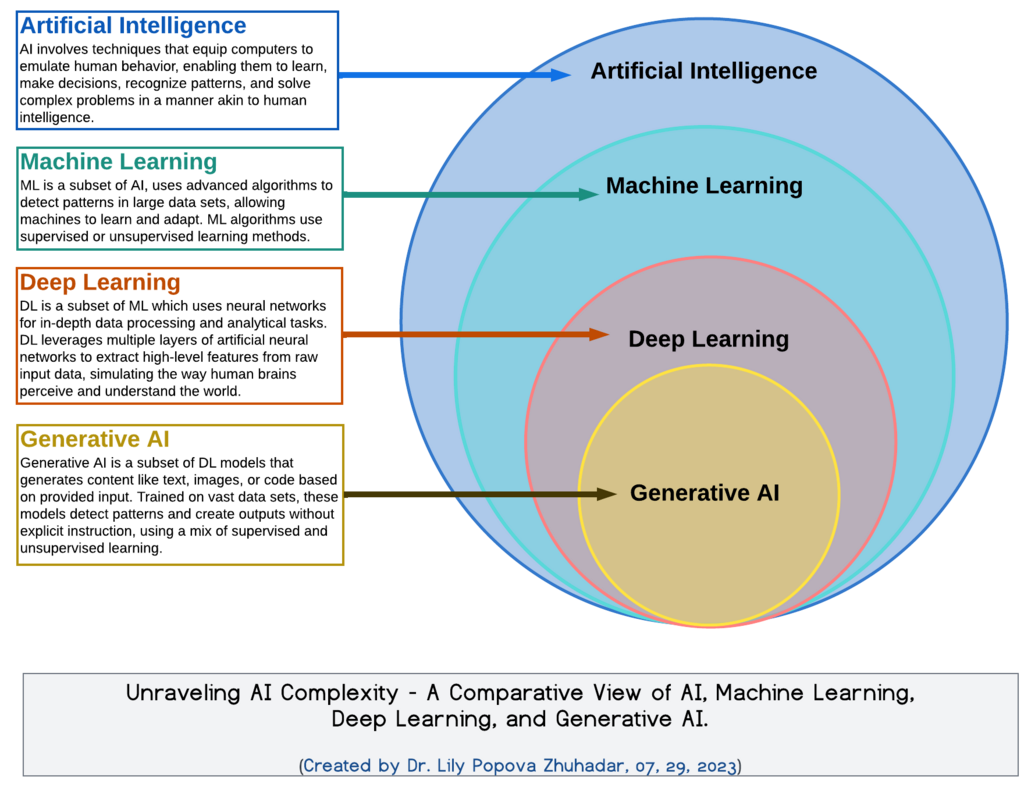
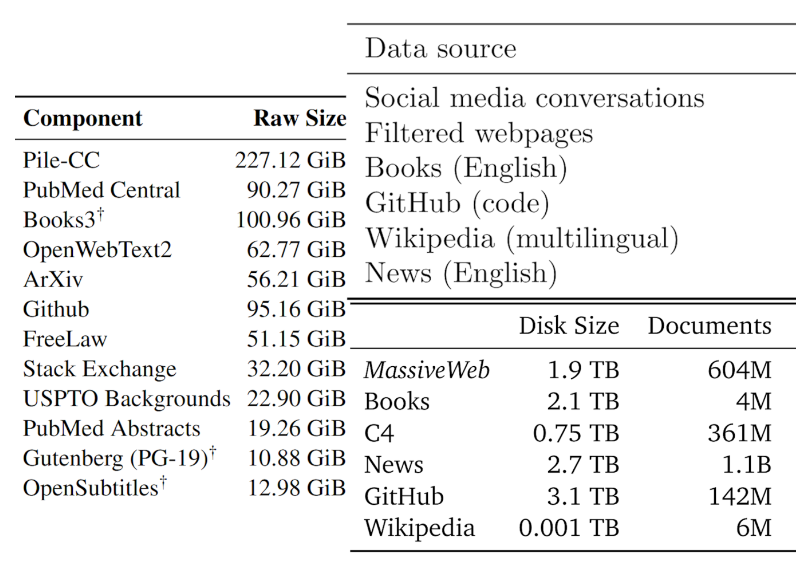
At its core, a large language model (LLM) is an AI designed to understand, generate, and interact with human language. Think of it as a very advanced pattern-matching system. After being shown a massive amount of text from books, websites, and articles, it learns the statistical relationships between words and phrases.
A Large Language Model (LLM) is a type of artificial intelligence program designed to understand, generate, and work with human language.
The "large" in LLM refers to two things: the enormous size of the text dataset it's trained on, and the huge number of parameters in the model itself. A parameter is like a knob that the model tunes during training to minimize its prediction errors. Modern LLMs can have hundreds of billions or even trillions of these parameters, allowing them to capture incredibly subtle nuances of language.
How They're Built and Trained
The foundation of most modern LLMs is an architecture called the Transformer, introduced in 2017. Before the Transformer, models struggled to keep track of context in long sentences. The Transformer's key innovation is a mechanism called "attention," which allows it to weigh the importance of different words when processing text, no matter where they appear in the input. This is crucial for understanding complex sentences and generating coherent paragraphs.
Training an LLM involves a few key steps.
First is pre-training. This is where the model learns general language patterns. It's fed a massive, unlabeled dataset of text and tasked with predicting the next word in a sentence. For example, given "The cat sat on the ___," the model learns to predict "mat" with high probability. This process is repeated billions of times, tuning the model's parameters to get better and better at prediction. This stage is computationally expensive, requiring vast amounts of processing power.
Next comes fine-tuning. After pre-training, the general model can be adapted for specific tasks, like answering questions or translating languages. In a process called Supervised Fine-Tuning (SFT), the model is trained on a smaller, high-quality dataset of input-output pairs. For example, it might be given a question and a human-written answer. This helps steer the model's behavior toward being helpful and following instructions.
Finally, many models undergo reinforcement learning with human feedback (RLHF). In this stage, the model generates several possible responses to a prompt. Human reviewers then rank these responses from best to worst. This feedback is used to train a separate "reward model," which learns to prefer the types of answers humans find helpful, honest, and harmless. The LLM is then further tuned to maximize its score according to this reward model.
Capabilities and Limitations
Thanks to their extensive training, LLMs are incredibly versatile. They can be used for a wide range of applications.
| Application | Description |
|---|---|
| Content Creation | Writing emails, articles, marketing copy, and even poetry. |
| Summarization | Condensing long documents or articles into key points. |
| Translation | Translating text between different languages. |
| Code Generation | Writing code snippets in various programming languages. |
| Chatbots | Powering conversational agents for customer service or assistance. |
| Question Answering | Extracting answers from a provided text or its own knowledge. |
However, LLMs are not without their limitations. Understanding these is crucial for using them effectively.
One major challenge is hallucination, where the model generates text that sounds plausible but is factually incorrect or nonsensical. Because an LLM's goal is to predict the next most likely word, it can sometimes invent facts, sources, or details to create a coherent-sounding sentence.
LLMs can also reflect biases present in their training data. If the data contains stereotypes or prejudiced language, the model may reproduce these biases in its outputs. They can also struggle with complex reasoning and common sense, sometimes making logical errors that a human would easily avoid.
Finally, their knowledge is static; it's limited to the information in their training data and doesn't update in real time. An LLM trained on data up to 2023 won't know about major events that happened in 2024.
Always verify critical information generated by an LLM. Treat it as a knowledgeable assistant, not an infallible oracle.
Understanding these core concepts—what LLMs are, how they learn, and what they can and can't do—provides the foundation needed to interact with them effectively. It's the first step in learning how to craft prompts that leverage their strengths while mitigating their weaknesses.