Mastering Prompt Engineering
Introduction to Large Language Models
What Is a Large Language Model?
A large language model, or LLM, is a type of artificial intelligence that can understand and generate human-like text. Think of it as a very advanced version of the autocomplete on your phone. Instead of just suggesting the next word, an LLM can write entire paragraphs, answer complex questions, translate languages, and even write computer code.
Large language models (LLMs) are AI systems that understand and create human language, doing tasks like summarizing articles, answering questions, writing code, and more.
These models are called "large" because they are built with a huge number of parameters and trained on massive amounts of text data. This extensive training allows them to learn the patterns, grammar, context, and nuances of human language. They don't "understand" text in the way a human does, but they are incredibly skilled at predicting which words are most likely to follow one another in any given context.

A Brief History
The idea of teaching machines to understand language isn't new. Early attempts in the mid-20th century relied on hand-coded rules, which were brittle and couldn't handle the complexity of language. Later, statistical methods improved things by calculating the probability of word sequences, but they still lacked a deep sense of context.
The real breakthrough came with the development of neural networks, and specifically the Transformer architecture in 2017. This new design allowed models to weigh the importance of different words in a sentence, no matter how far apart they were. This was a game-changer, enabling models to grasp long-range dependencies and context far more effectively.
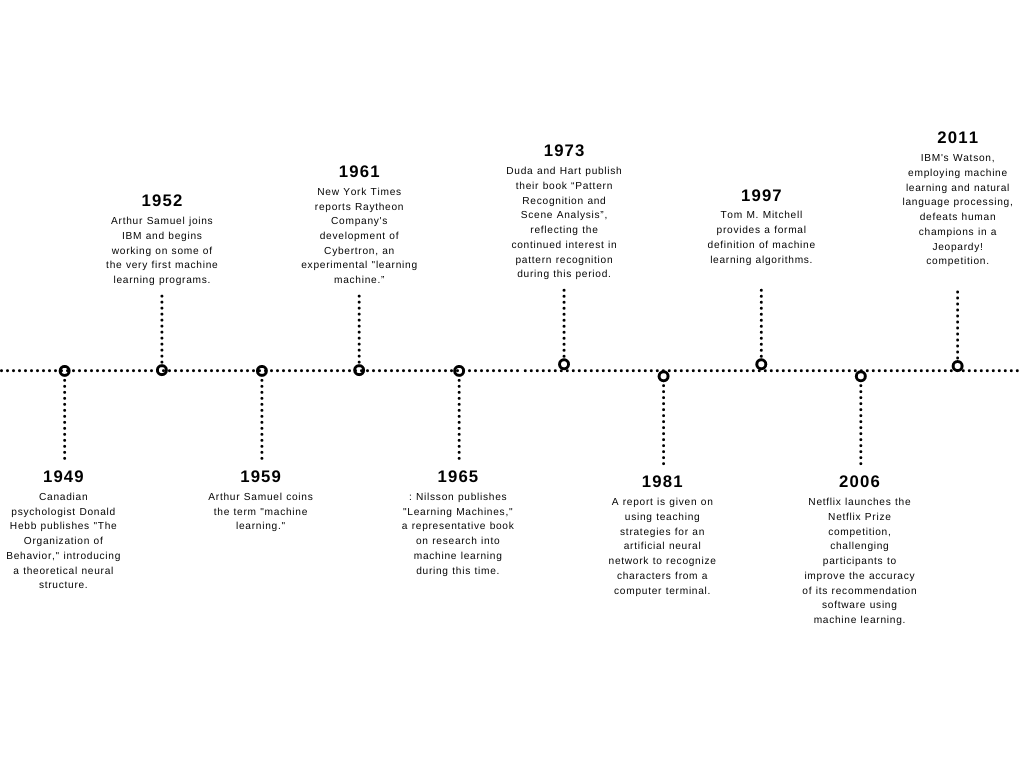
Models like OpenAI's GPT (Generative Pre-trained Transformer) series built on this architecture. With each new version, the models grew larger and more capable, culminating in systems that could generate stunningly coherent and creative text, bringing LLMs into the mainstream.
How They Work
At its core, an LLM learns by being shown a massive library of text from the internet, books, and other sources. During this training process, its only goal is to predict the next word in a sentence. It looks at a sequence of words and tries to guess what comes next. If it guesses wrong, it adjusts its internal parameters to make a better guess next time. It repeats this process billions of times.
This simple objective, when performed on a massive scale, allows the model to learn grammar, facts, reasoning abilities, and even styles of writing. The text is broken down into smaller pieces called tokens, which can be words, parts of words, or punctuation.
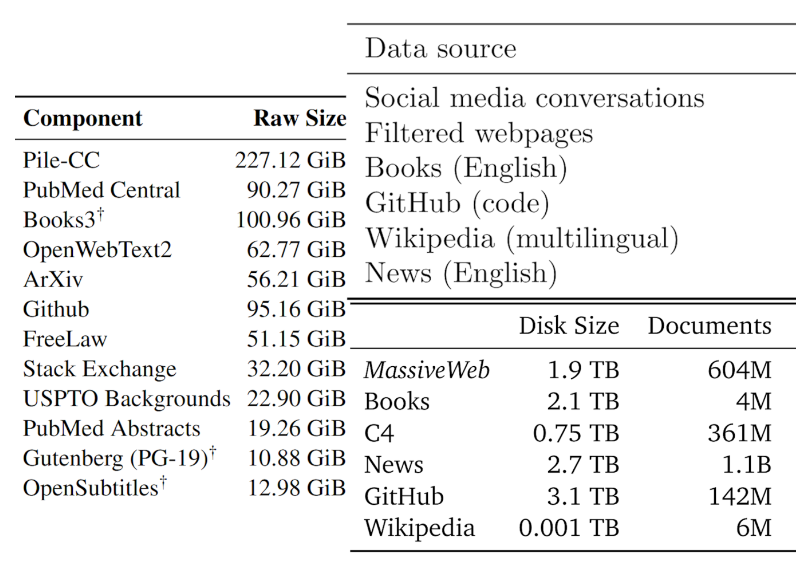
The model's architecture is a complex network of interconnected nodes, similar to a simplified model of the brain. The strength of these connections—the parameters—are fine-tuned during training. The largest models have hundreds of billions or even trillions of parameters.
When you give an LLM a prompt, it uses its training to generate a response one token at a time, with each new token influencing the next. It's essentially a sophisticated chain of predictions.
Common Applications
The capabilities of LLMs have led to a wide range of applications across many different fields. You've likely already interacted with them without realizing it.
Some common uses include:
| Application | Description |
|---|---|
| Content Creation | Writing articles, marketing copy, emails, and even creative fiction. |
| Summarization | Condensing long documents, articles, or conversations into key points. |
| Chatbots | Powering sophisticated customer service bots and virtual assistants. |
| Code Generation | Writing snippets of code, debugging, and explaining how code works. |
| Translation | Translating text between languages with more nuance than older tools. |
| Data Analysis | Answering questions about data presented in natural language. |
As these models continue to improve, their applications are expanding into more complex areas like scientific research, drug discovery, and education.
Time to check your understanding.
What is the primary goal of a Large Language Model during its training process?
What was the key architectural innovation, introduced in 2017, that significantly advanced the capabilities of modern LLMs?
Understanding what LLMs are and how they work is the first step in learning to communicate with them effectively. By grasping these fundamentals, you're better equipped to guide them toward generating the specific, high-quality outputs you need.