Mastering Prompt Engineering
Introduction to Prompt Engineering
Talking to an AI
When you interact with a large language model (LLM), you start with a prompt. A prompt is simply the instruction, question, or piece of text you give the AI to get it to do something. It's the starting point for your conversation.
Prompt
noun
An instruction or input provided to an AI model to elicit a specific response or output.
But why does this need “engineering?” Because LLMs don't think like humans. They are incredibly powerful pattern-matching machines. The quality of their output depends almost entirely on the quality of your input. Vague instructions lead to vague, generic, or unhelpful results. Clear, specific instructions are the key to unlocking the AI's full potential.
It's the same principle in prompt engineering, as detailed coffee orders lead to better coffee, specific good prompts can produce more relevant and refined AI responses.
Think of it like asking a friend for a favor. If you say, "Get me a book," they might bring you anything from a dictionary to a comic book. But if you say, "Please get me the hardcover edition of Dune by Frank Herbert from the library's science fiction section," you'll get exactly what you want. Prompt engineering is the skill of giving those kinds of precise instructions to an AI.
How Prompt Design Shapes Results
The way you phrase your prompt has a huge impact on the AI's response. Small changes in wording, context, or the examples you provide can lead to dramatically different outcomes. It's not just about what you ask, but how you ask it.
| Vague Prompt | Specific Prompt |
|---|---|
| Write about dogs. | Write a 100-word blog post introduction about the loyalty of Golden Retrievers, in a warm and friendly tone. |
| Explain photosynthesis. | Explain photosynthesis to a 10-year-old using a simple analogy. Focus on the roles of sunlight, water, and carbon dioxide. |
The specific prompt provides critical details: the desired format (blog post intro), length (100 words), topic (loyalty of Golden Retrievers), and tone (warm and friendly). The AI can use these constraints to generate a much more focused and useful response.
Refining Your Prompts
Getting the perfect prompt often takes more than one try. Prompt engineering is an iterative process of trial and error. You start with an initial idea, see what the AI produces, and then refine your prompt based on the output. Did the AI misunderstand something? Was the tone wrong? Was the response too long or too short? Each response gives you clues on how to improve your next prompt.
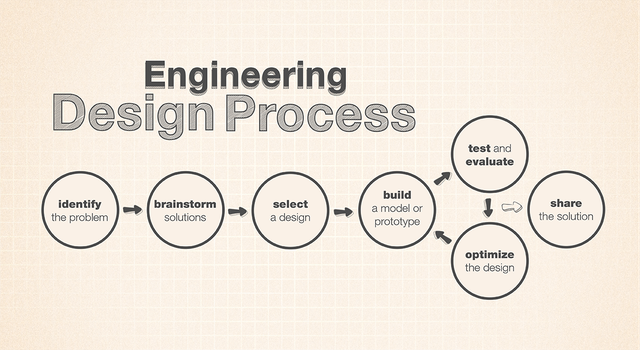
This refinement cycle looks something like this:
- Craft Prompt: Write your initial instruction with as much clarity as you can.
- Generate Response: Run the prompt and see what the AI creates.
- Evaluate Output: Does the response meet your goal? Is it accurate? Is the style right?
- Refine Prompt: Adjust your original prompt based on your evaluation. Add more context, clarify an instruction, or provide an example of what you want.
Then, you repeat the process until you're happy with the result. Mastering this loop is the core skill of effective prompt engineering.
Ready to check your understanding of these core concepts?
What is the primary reason 'prompt engineering' is a necessary skill for interacting with LLMs?
Which of the following prompts is the most effective for getting a specific, useful response?
By learning to craft clear prompts and refine them iteratively, you can communicate more effectively with AI models and get much better results.