Mastering Prompt Engineering
Introduction to Prompt Engineering
What is Prompt Engineering?
Communicating with a large language model (LLM) is like giving instructions to an incredibly capable, but very literal, assistant. If you say, "Get me a coffee," it might not know what kind of coffee, from where, or how you want it prepared. If you say, "Bring me a large black coffee from the cafe on the corner," you'll get exactly what you want.
That's the core idea behind prompt engineering. It's the skill of crafting your instructions, or prompts, to guide an AI toward the best possible response.
Prompt engineering is the strategic practice of crafting and refining input prompts for Large Language Models (LLMs) like Gemini, GPT, Claude, and open-source models such as Gemma or LLaMA.
Why does this matter? Because the quality of the AI's output is directly tied to the quality of your input. A vague prompt leads to a generic or unhelpful answer. A well-crafted prompt, on the other hand, unlocks the model's power to generate specific, nuanced, and useful content.
This skill is crucial across many fields. It’s used to generate creative marketing copy, answer complex technical questions, summarize dense documents, and even write computer code. By learning how to 'speak the language' of LLMs, you can make them powerful tools for almost any task.
Principles of Effective Prompts
Good prompts are built on a few simple principles. The most important are clarity and specificity. You need to tell the model exactly what you want it to do, leaving as little room for misinterpretation as possible.
Consider the difference between these two prompts:
Weak Prompt: "Tell me about electric cars."
This is too broad. The model might give you a history of electric vehicles, a technical breakdown, a market analysis, or something else entirely.
Strong Prompt: "Explain the main differences between battery-electric vehicles (BEVs) and plug-in hybrid electric vehicles (PHEVs) for a non-technical audience. Limit the explanation to 150 words."
This prompt is effective because it is highly specific. It defines the topic (BEVs vs. PHEVs), the target audience (non-technical), and the desired output format (a 150-word explanation). The model knows exactly what to do.
A good prompt often includes three key elements: a clear task, necessary context, and specific constraints on the output.
Providing context is also vital. LLMs don't have access to your personal documents, recent conversations, or what's on your screen. You have to give them all the information they need to complete the task.
For example, instead of asking, "Summarize this article," you should provide the article itself within the prompt: "Summarize the key findings of the following article in three bullet points: [paste article text here]." This gives the model the raw material it needs to work with.
The Iterative Process
You rarely get the perfect response on your first try. Prompt engineering is an iterative process of refinement. You start with a simple prompt, see what the model produces, and then adjust your instructions to get closer to your desired output.
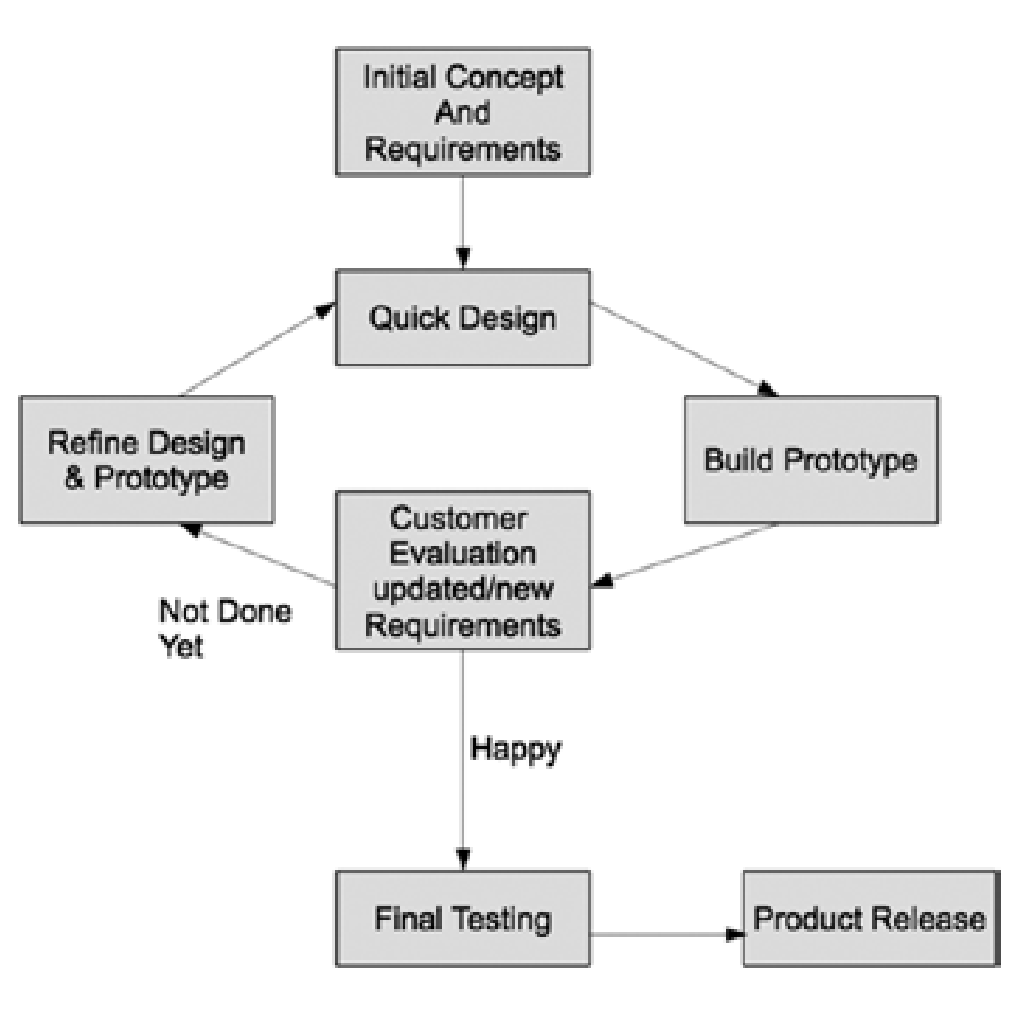
Let's walk through an example. Imagine you want to generate ideas for a new mobile game.
Attempt 1: "Give me some ideas for a mobile game."
This will likely produce very generic ideas like "a puzzle game" or "a racing game." It's not very helpful.
Attempt 2: "Brainstorm five ideas for a mobile puzzle game for adults that can be played in short, five-minute sessions."
This is much better. You've added constraints (puzzle game, for adults, short sessions). The ideas will be more targeted.
Attempt 3: "Act as a creative director for a mobile game studio. Brainstorm five unique concepts for a mobile puzzle game targeted at busy professionals. The game should be relaxing, have a minimalist art style, and be playable in five-minute sessions. For each concept, provide a one-sentence description and a potential name."
Now you're really engineering a prompt. You've given the model a persona (creative director), specified the target audience (busy professionals), defined the desired tone (relaxing), and provided clear formatting instructions. The results from this prompt will be significantly more creative and useful.
Each iteration is a chance to add more detail, clarify your intent, and guide the model more precisely.
This cycle of prompting, analyzing, and refining is the fundamental workflow of prompt engineering. By practicing this process, you learn how a particular model 'thinks' and how to best structure your requests to get the results you need.
Ready to test what you've learned about the basics of prompt engineering?
What is the primary purpose of prompt engineering?
According to the text, the quality of an LLM's output is directly tied to what?
Mastering these foundational concepts is the first step in unlocking the full potential of large language models. With clear, specific, and well-structured prompts, you can turn any LLM into a powerful collaborator.