Mastering Prompt Engineering
Introduction to Large Language Models
What Is a Large Language Model?
A Large Language Model, or LLM, is an AI designed to understand and generate human-like text. Think of it as a superpowered autocomplete. It's been trained on a massive amount of text from the internet, books, and other sources, allowing it to recognize patterns, grammar, facts, and even styles of writing.
Its main goal is to process a piece of text you give it—called a prompt—and predict what words should come next.
This predictive ability is what allows an LLM to answer questions, write essays, summarize articles, translate languages, and even generate computer code. The "large" in the name refers to two things: the enormous size of the dataset it's trained on and the huge number of parameters (think of them as internal knobs and dials) the model uses to make its predictions.
Large language models (LLMs) are AI systems that understand and create human language, doing tasks like summarizing articles, answering questions, writing code, and more.
How They're Built
At their core, LLMs are a type of neural network, which is a computing system loosely inspired by the human brain. Most modern LLMs use a specific architecture called the Transformer, introduced in 2017. Before the Transformer, models struggled to keep track of context in long sentences.
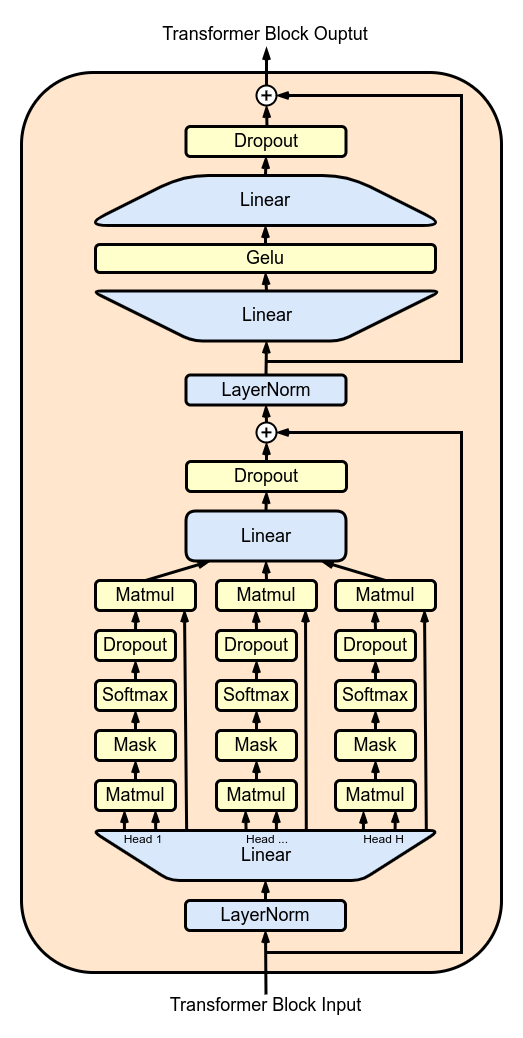
The key innovation of the Transformer is a mechanism called "attention." Attention allows the model to weigh the importance of different words in the input text when it's producing an output. For example, in the sentence "The robot picked up the red ball because it was heavy," the attention mechanism helps the model figure out that "it" refers to the "ball," not the "robot." This ability to track relationships between words, even far apart ones, is crucial for generating coherent and contextually aware text.
The Training Process
Training an LLM is a massive undertaking. It happens in two main stages: pre-training and fine-tuning.
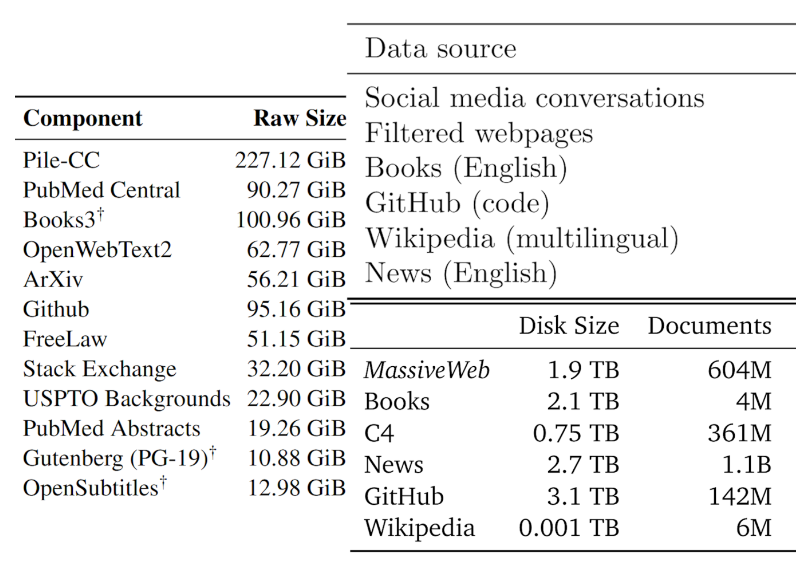
Pre-training: This is where the model learns general language patterns. It's fed a vast, diverse dataset—we're talking hundreds of billions of words from websites, books, and articles. During this phase, the model's only job is to predict the next word in a sequence. For instance, given the text "The quick brown fox jumps over the," it tries to predict "lazy." When it gets it right, its internal connections are strengthened. When it's wrong, they're adjusted. This process is repeated billions of times, gradually teaching the model the rules of grammar, facts about the world, and different writing styles.
Fine-tuning: After pre-training, the general model can be adapted for specific tasks, like customer service or medical question answering. This is done through fine-tuning, where the model is trained on a smaller, more specialized dataset. This second phase refines the model's abilities, making it more accurate and useful for a particular application. For example, a general model could be fine-tuned on a dataset of doctor-patient conversations to become a helpful medical chatbot.
What Can They Do?
Because of their flexible nature, LLMs have a wide range of applications. They are the technology behind many AI tools you might already use. Here are some of the most common uses.
| Application | Description |
|---|---|
| Text Generation | Creating original text, from emails and poems to essays and marketing copy. |
| Translation | Translating text from one language to another with impressive accuracy. |
| Summarization | Condensing long documents or articles into key bullet points or a short paragraph. |
| Question Answering | Acting as a conversational search engine to answer questions on countless topics. |
| Code Generation | Writing snippets of code in various programming languages based on a description. |
| Sentiment Analysis | Determining the emotional tone of a piece of text (e.g., positive, negative, neutral). |
Understanding these core concepts—what an LLM is, its Transformer architecture, and its training process—is the first step to mastering how to interact with them effectively. The way you phrase your request can dramatically change the quality of the output.
Which statement best describes a Large Language Model (LLM)?
What is the primary goal of the 'pre-training' stage when developing an LLM?