Mastering Prompt Engineering
Introduction to AI Models
The Building Blocks of AI
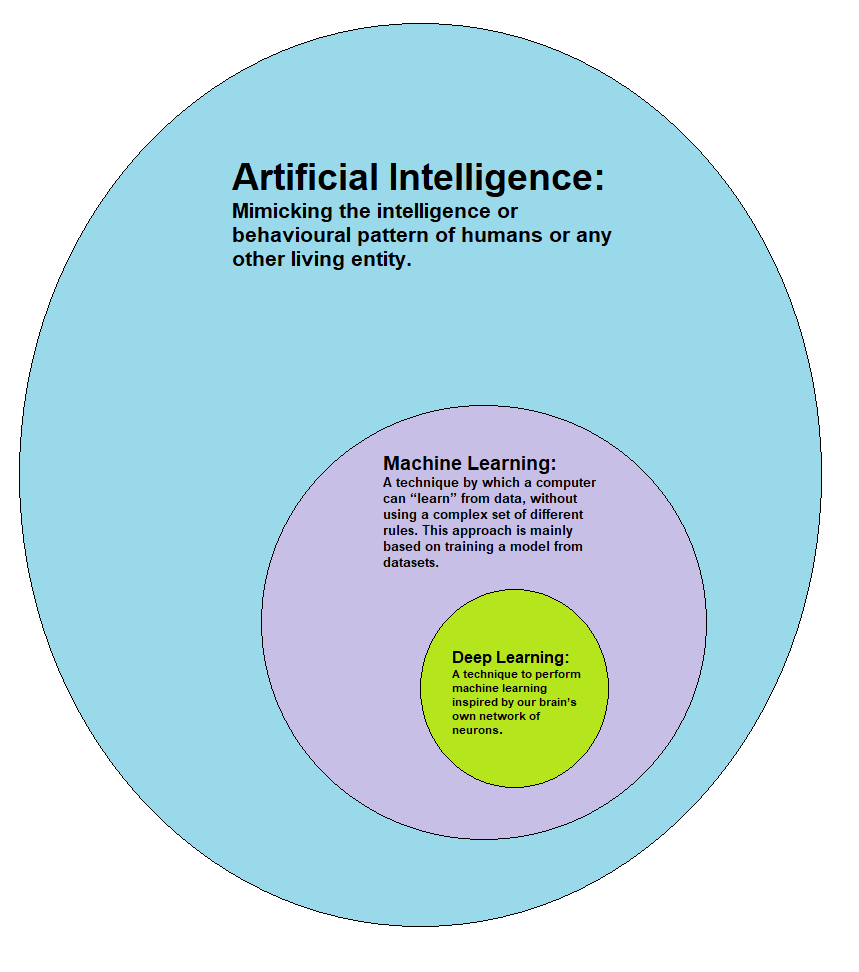
Artificial intelligence, or AI, is a broad field about making computers that can think or act like humans. A major part of AI is machine learning (ML), which is how computers learn from data without being explicitly programmed for every single task. Instead of writing step-by-step rules, we show the machine a ton of examples, and it learns the patterns on its own.
Think of it like teaching a child to recognize a cat. You don't list all the rules—pointy ears, whiskers, a tail. You just show them many pictures of cats. Eventually, they learn to identify a cat they've never seen before. Machine learning works in a similar way, but on a massive scale.
Within machine learning, there's a specialized area called deep learning. It uses complex structures called neural networks, which are loosely inspired by the human brain. This is where today's most powerful AI models come from.
Focus on Language
One of the most exciting applications of deep learning is in understanding and generating language. This is the domain of Large Language Models, or LLMs.
Large language models (LLMs) are AI systems that understand and create human language, doing tasks like summarizing articles, answering questions, writing code, and more.
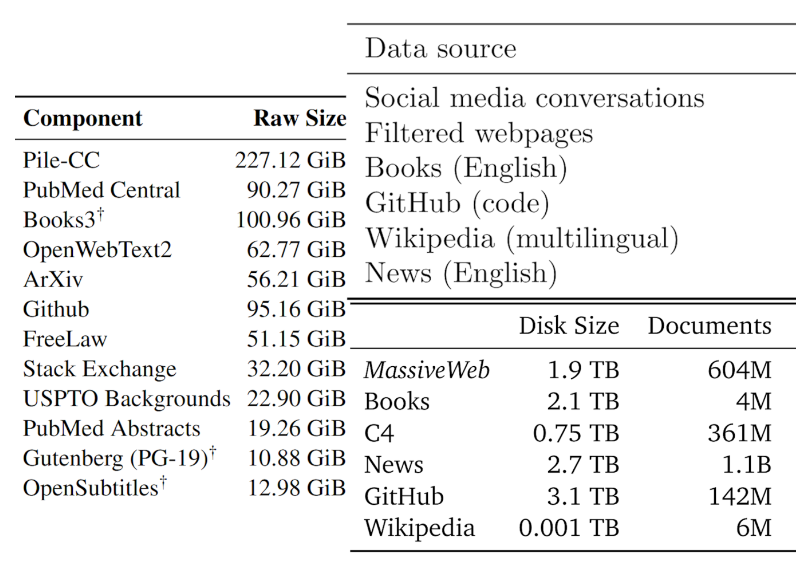
The "large" in LLM is no exaggeration. These models are trained on truly vast amounts of text and code from the internet, books, and other sources. We're talking about hundreds of billions of words, which would take thousands of years for a person to read. This enormous dataset is what allows LLMs to learn the nuances, patterns, and structure of human language.
How LLMs Learn
At their core, most LLMs are trained to do one simple thing: predict the next word in a sequence. Given the phrase "The sky is," the model calculates the most probable next word is "blue."
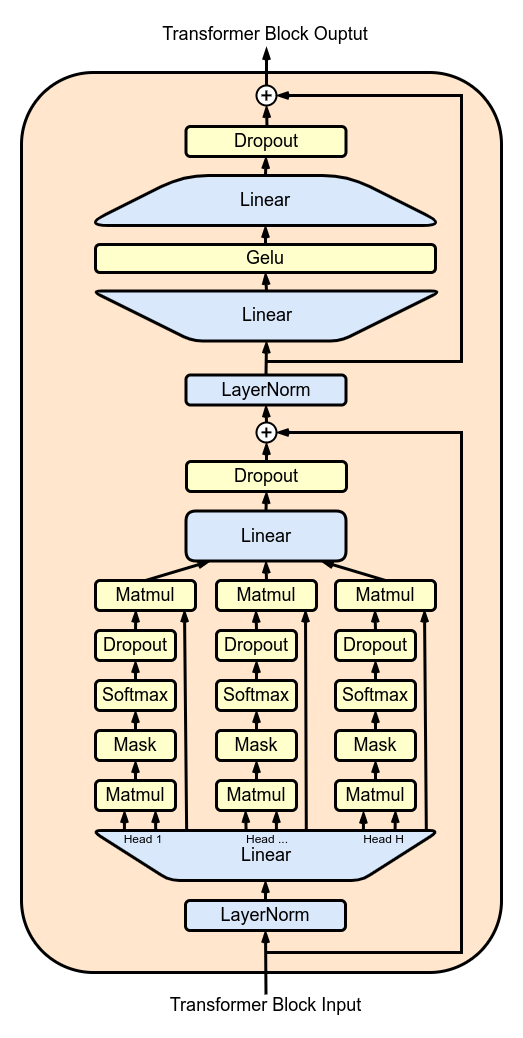
It does this over and over, billions of times, across its massive training data. By learning to predict the next word, the model develops a sophisticated understanding of grammar, facts, reasoning abilities, and even styles of writing. This process relies on a special architecture called a Transformer, which is particularly good at handling sequential data like text. It allows the model to weigh the importance of different words in the input text to make better predictions.
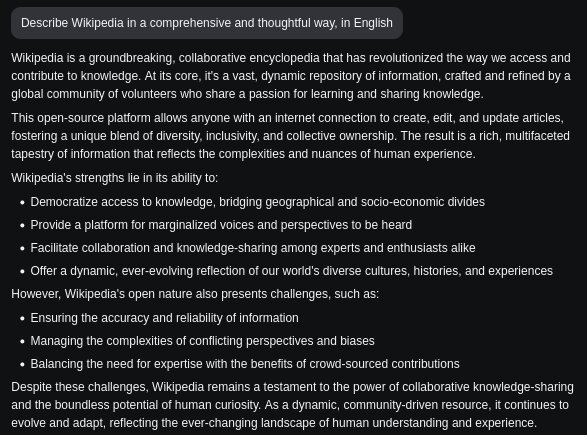
The result is a model that can generate coherent, contextually relevant, and often surprisingly creative text. When you give it a prompt, it's essentially just predicting the next word, then the next, and so on, to form a complete response.
Putting LLMs to Work
Because they are so versatile with language, LLMs have a wide range of applications. You can see them in action as customer service chatbots, tools that summarize long documents, and assistants that help programmers write code.
They can be used for:
- Content Creation: Writing emails, blog posts, or marketing copy.
- Information Synthesis: Summarizing articles or research papers.
- Problem Solving: Brainstorming ideas or breaking down complex problems.
- Creative Pursuits: Composing poems, song lyrics, or short stories.
Understanding these fundamentals is the first step. The model isn't truly thinking; it's a sophisticated pattern-matching machine. How we phrase our questions and instructions—our prompts—directly shapes the patterns it follows and the quality of its output.
Which statement best describes the relationship between Artificial Intelligence (AI), Machine Learning (ML), and Deep Learning?
At its core, what is the primary task that most Large Language Models (LLMs) are trained to perform?