Mastering Prompt Engineering
Introduction to Large Language Models
What is a Large Language Model?
At its core, a large language model, or LLM, is an AI designed to understand and generate human-like text. Think of it as an incredibly advanced version of the autocomplete on your phone. Instead of just suggesting the next word, it can predict and generate entire paragraphs, articles, or even computer code based on a given prompt.
A Large Language Model (LLM) is a type of artificial intelligence program designed to understand, generate, and work with human language.
The "large" in LLM is key. These models are built with billions of internal connections, called parameters, and are trained on vast amounts of text data scraped from the internet, digital books, and other sources. This immense scale allows them to grasp grammar, facts, reasoning styles, and the subtle nuances of how humans communicate.
How LLMs Think
LLMs are powered by a type of AI architecture called a neural network, which is loosely inspired by the structure of the human brain. The major breakthrough that enabled modern LLMs was a specific neural network design called the Transformer, introduced in 2017.
The Transformer's superpower is its ability to weigh the importance of different words in a sentence. It doesn't just read from left to right; it understands context. When processing the word "bank" in a sentence, a Transformer architecture can determine whether it refers to a river bank or a financial institution based on the surrounding words. This mechanism is called "attention."
By applying this attention mechanism across billions of parameters and layers of processing, LLMs can handle long, complex sequences of text and maintain a coherent understanding of the topic at hand.
The Training Process
Training an LLM is like giving a student an enormous library and one simple instruction: learn to predict the next word in any sentence. The model is fed text one chunk at a time, and it makes a guess for the next word. If the guess is wrong, it adjusts its internal parameters to improve its prediction for next time. This process is repeated trillions of times.
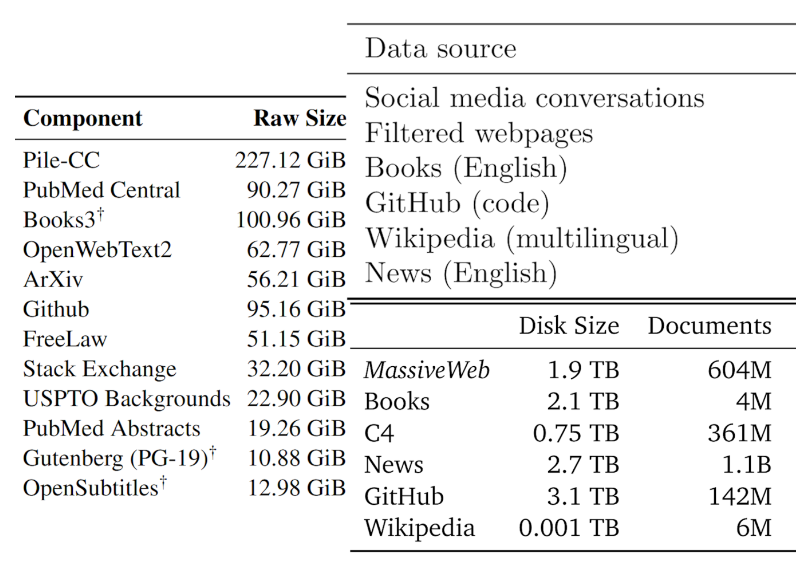
While predicting the next word sounds simple, it forces the model to learn everything about language. To correctly predict the word that follows "The capital of France is," the model must learn geography. To complete a line of code, it must learn programming logic. This foundational learning phase is called pre-training.
After pre-training on a general dataset, models are often fine-tuned on smaller, more specialized datasets to make them better at specific tasks, like holding a conversation or summarizing legal documents.
What Can LLMs Do?
The abilities that emerge from the training process are vast. LLMs are general-purpose tools that can be applied to a wide range of language-based tasks.
| Application | Description |
|---|---|
| Text Generation | Creating original text, from emails and essays to poetry and marketing copy. |
| Translation | Translating text between different languages with impressive fluency. |
| Summarization | Condensing long documents, articles, or conversations into key points. |
| Question Answering | Providing direct answers to questions by synthesizing information from its training data. |
| Code Generation | Writing functional code in various programming languages based on natural language descriptions. |
These applications are just the beginning. As the models become more sophisticated, they are being integrated into everything from search engines to creative tools, fundamentally changing how we interact with information.
What is the primary function of a Large Language Model (LLM)?
The 'large' in Large Language Model primarily refers to the massive number of internal connections, also known as ______.