Mastering Prompt Engineering
Introduction to Large Language Models
What Are Large Language Models?
Large Language Models, or LLMs, are a type of artificial intelligence designed to understand and generate human language. At their core, they are sophisticated prediction engines. Given a piece of text, an LLM calculates the most probable next word, then the word after that, and so on, to build sentences and paragraphs that are coherent and contextually relevant.
The "large" in their name refers to two things: the colossal amount of text data they learn from and the immense number of parameters they use to make predictions. Think of parameters as the model's internal knobs and dials. The more parameters, the more nuance the model can capture from the language it learns.
Large language models (LLMs) are AI systems that understand and create human language, doing tasks like summarizing articles, answering questions, writing code, and more.
This ability to predict text allows LLMs to perform a wide range of tasks, from simple conversation to complex problem-solving. They're not just repeating what they've seen; they are generating new combinations of words based on the patterns they've learned from their training data.
How They're Built and Trained
LLMs are built on a specific type of neural network architecture called a transformer. Introduced in 2017, the transformer was a breakthrough because it allowed models to handle long sequences of text and weigh the importance of different words when making predictions. This is a key ability called self-attention.
Imagine reading the sentence: "The cat, which was on the roof, chased the mouse." The self-attention mechanism helps the model understand that "chased" is primarily related to "cat," not "roof."
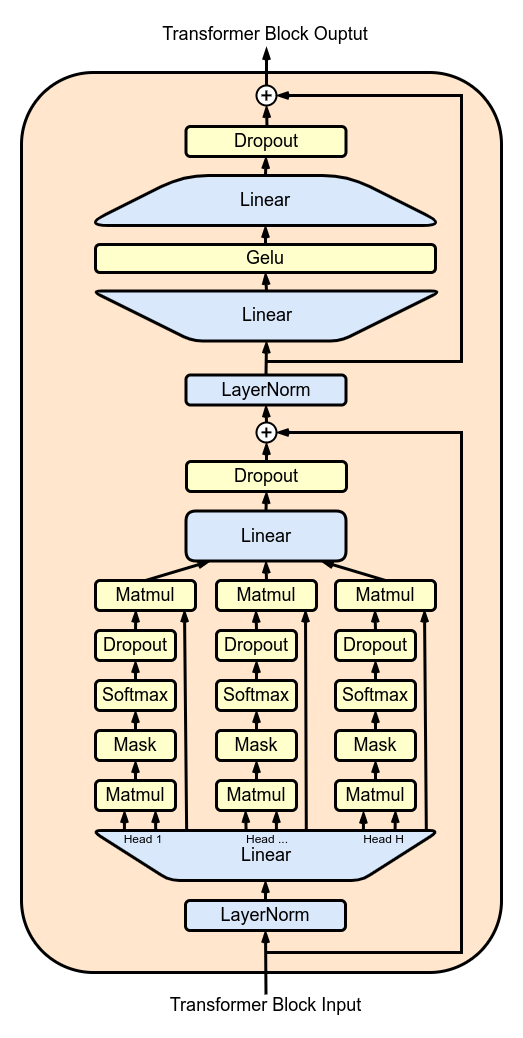
Training an LLM happens in a few stages. The first is pre-training. In this phase, the model is fed a massive dataset containing text from the internet, books, and other sources. It learns grammar, facts, reasoning abilities, and even biases from this data. The goal is to predict the next word in a sentence or fill in missing words.
After pre-training, many models go through a fine-tuning phase. This process adjusts the model for specific tasks, like carrying on a conversation or following instructions. It often involves using a smaller, higher-quality dataset and may include reinforcement learning from human feedback (RLHF) to make the model's responses more helpful and safe.
Common Applications
The general-purpose nature of LLMs makes them incredibly versatile. You've likely already interacted with them in various forms. Their applications are broad and continue to expand.
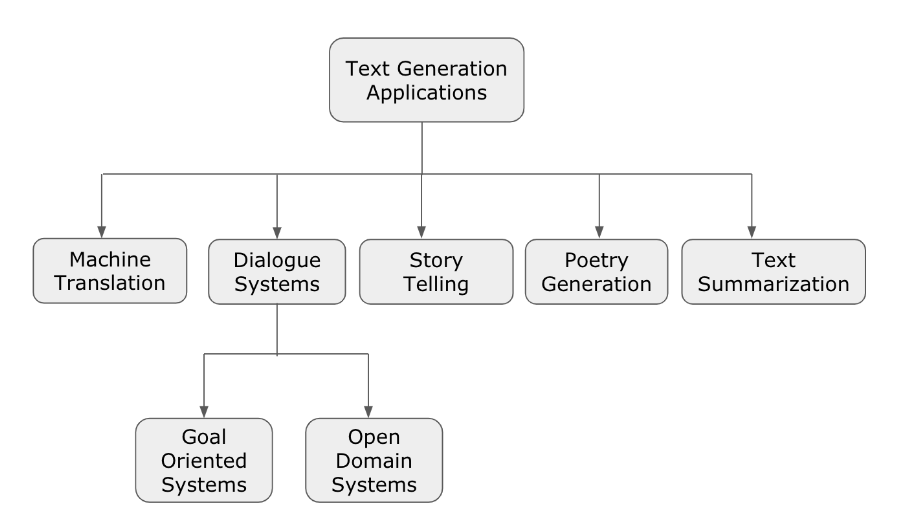
From writing emails and summarizing long documents to translating languages and generating computer code, LLMs are becoming powerful assistants in many fields.
Here are some of the most common uses:
-
Conversational AI: Powering chatbots and virtual assistants like ChatGPT, enabling them to understand and respond to user queries in a natural way.
-
Content Creation: Generating articles, marketing copy, poems, and even scripts. They can help brainstorm ideas or create first drafts for writers.
-
Summarization: Condensing long articles, research papers, or email threads into concise summaries, saving time and effort.
-
Language Translation: Providing fast and increasingly accurate translations between different languages.
-
Code Generation: Assisting programmers by writing code snippets, debugging existing code, or translating code from one programming language to another.
Understanding these core concepts—what LLMs are, how they learn, and what they can do—is the first step toward using them effectively. It provides the context needed to craft inputs, or prompts, that get the most out of these powerful models.
Let's check your understanding of these foundational concepts.
At its most fundamental level, what is the primary function of a Large Language Model?
The 'large' in Large Language Model refers to both the vast amount of training data and the...