Mastering Prompt Engineering
Introduction to Prompt Engineering
What is Prompt Engineering?
Think about ordering a coffee. If you just say "Give me coffee," you might get a plain black coffee, an espresso, or something else entirely. But if you ask for a "large iced latte with oat milk and one pump of vanilla syrup," you'll get exactly what you want. Communicating with an AI is similar. The instruction you give it is called a prompt.
Prompt
noun
An instruction or query given to an artificial intelligence model to generate a response.
Prompt engineering is the skill of crafting these instructions. It’s about learning how to ask questions and give directions in a way the AI can understand and act on effectively. It's less about knowing code and more about communicating clearly.
Think of prompt engineering as giving instructions or asking an AI model a question to get an answer.
Clarity is Key
AI models are powerful, but they aren't mind readers. The quality of the output you get is directly tied to the quality of the input you provide. A vague prompt will almost always lead to a generic or unhelpful response. To get a useful result, your prompt needs to be specific and clear.
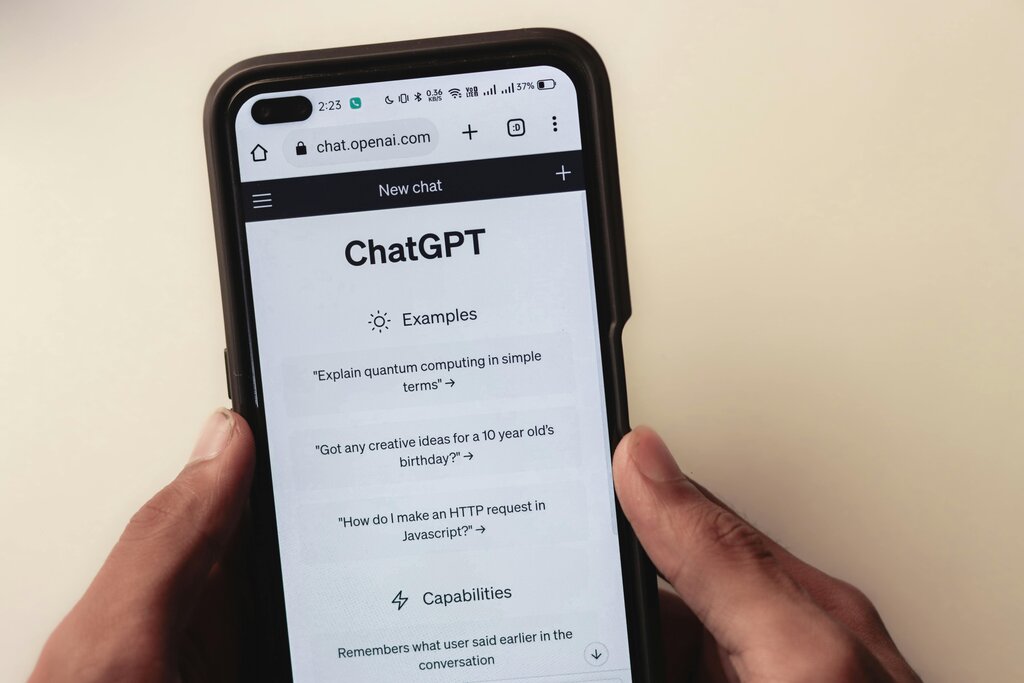
Let's look at an example. Imagine you want to write an email to your team.
| Prompt | Potential Output |
|---|---|
| Vague: Write a team email. | A generic email template with placeholders like "[Team Name]" and "[Update]". |
| Specific: Draft a friendly email to the marketing team. Announce that our weekly meeting is moved from Tuesday at 10 AM to Wednesday at 11 AM this week only. Mention the agenda is to review Q3 results. | A ready-to-send email with the correct information, tone, and audience in mind. |
The specific prompt provides context (who the email is for), key information (the old and new meeting times), and the purpose (the agenda). This detail removes guesswork for the AI and gives you a much better starting point.
A Brief History
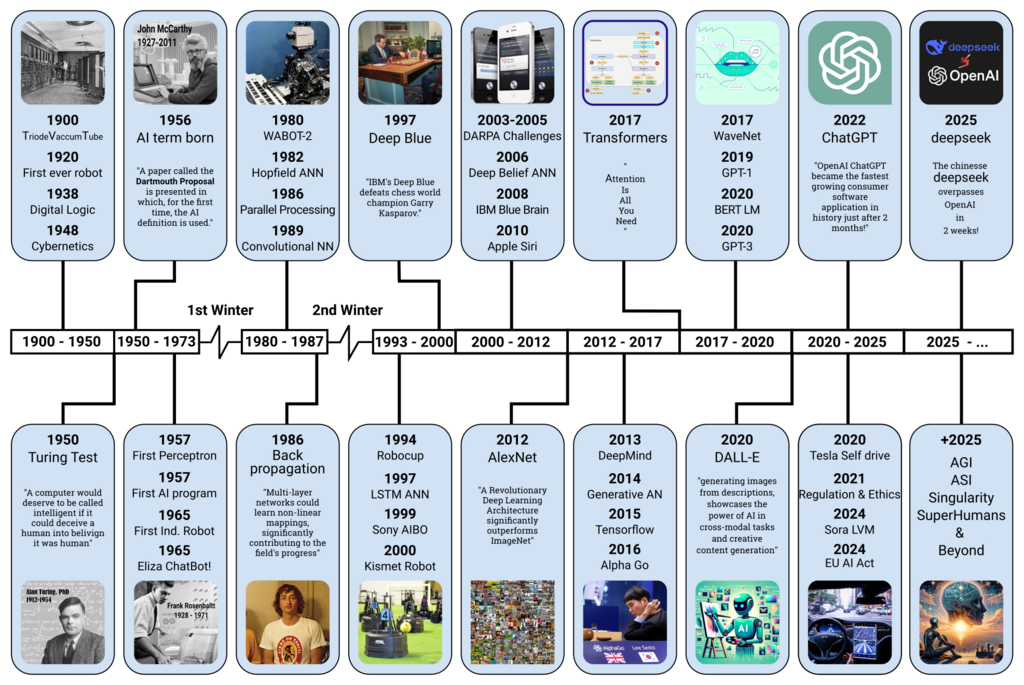
Communicating with computers has been a goal for decades, but it used to be the exclusive domain of programmers writing complex code. Early AI systems required highly structured, machine-readable inputs.
The rise of large language models (LLMs) changed everything. These models are trained on vast amounts of text from the internet, allowing them to understand and respond to natural, human language. Suddenly, anyone could "talk" to an AI. This shift made prompt engineering a crucial new skill, moving from a niche technical task to a widespread method for interacting with technology.
Boosting Productivity
So, why does learning to write good prompts matter? It's all about efficiency. Well-crafted prompts save you time. Instead of going back and forth with the AI, clarifying and correcting, you can get a useful response on the first or second try.
This has a huge impact on productivity. Whether you're brainstorming ideas, summarizing a long report, writing code, or drafting a social media post, effective prompting helps you get the task done faster and with better results. You spend less time wrestling with the tool and more time applying its output.
Good prompting reduces the number of revisions needed, turning the AI into a more reliable assistant.
Now that you understand the fundamentals of prompts, let's test your knowledge.
What is the primary goal of prompt engineering?
A vague prompt is more likely to lead to a generic or unhelpful response.
By mastering the basics of clear and specific instructions, you're on your way to using AI more effectively in any task.