Mastering Prompt Engineering
Introduction to Large Language Models
What Is a Large Language Model?
A large language model, or LLM, is a type of artificial intelligence that can understand and generate human-like text. Think of it as the most sophisticated autocomplete imaginable. Instead of just suggesting the next word, it can write entire essays, translate languages, and carry on a conversation.
These models learn by analyzing massive amounts of text data from books, articles, websites, and more. By identifying patterns, grammar, facts, and reasoning styles within this data, an LLM learns to predict the next most likely word in a sequence. Repeated millions of times, this simple goal allows it to produce surprisingly coherent and contextually relevant text.
Large language models (LLMs) are AI systems that understand and create human language, doing tasks like summarizing articles, answering questions, writing code, and more.
While the idea of language modeling isn't new, recent advancements have led to a dramatic leap in capability, making LLMs powerful tools for a wide range of tasks.
The Architecture of LLMs
The core innovation behind modern LLMs is an architecture called the Transformer. Before the Transformer, models struggled to keep track of context in long sentences. They might forget what the beginning of a sentence was about by the time they reached the end.
The Transformer solved this with a mechanism called attention. Attention allows the model to weigh the importance of different words when processing text. When generating a new word, it can "pay attention" to the most relevant words that came before it, no matter how far back they appeared. This ability to handle long-range dependencies is what makes LLMs so good at understanding context.
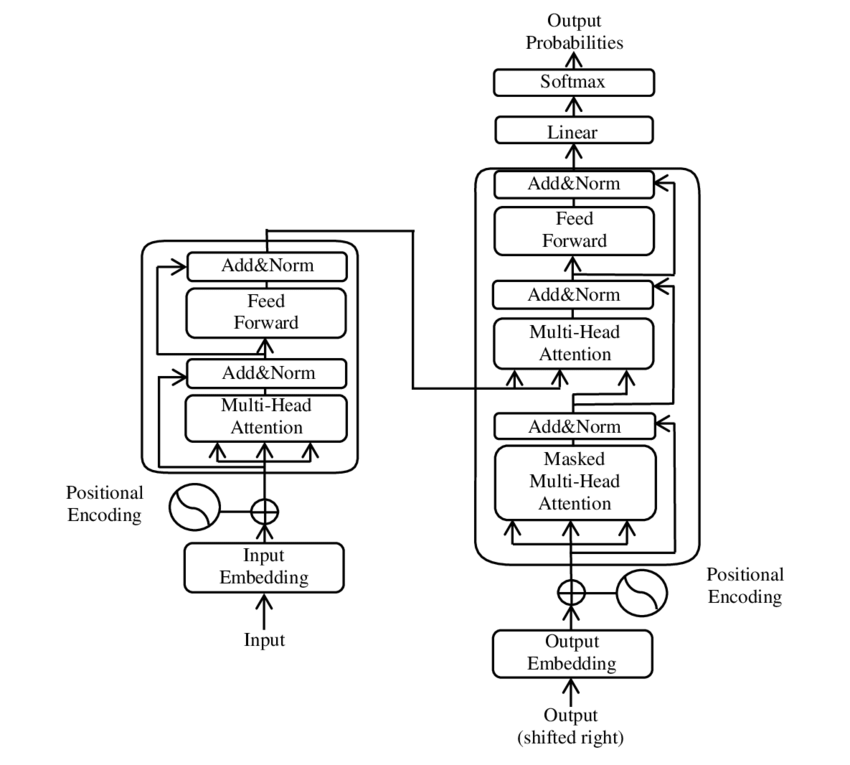
Inside an LLM, text is broken down into smaller pieces called tokens. A token can be a whole word, like "apple," or just a part of a word, like "-ing." The model processes these tokens as numbers, performing complex mathematical calculations to understand their relationships and predict what token should come next.
How LLMs Learn
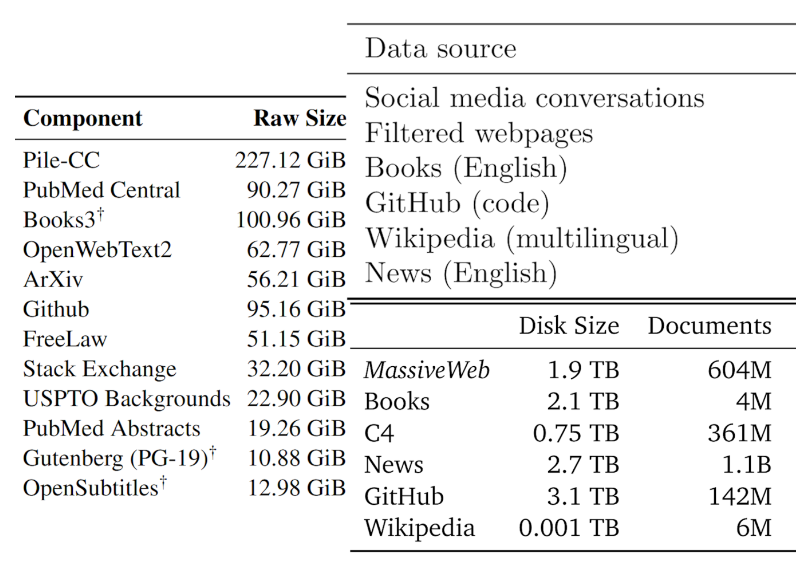
Training an LLM is a massive undertaking that happens in a few stages. The first is pre-training, where the model learns general language patterns from a huge, diverse dataset. This is where it develops its core understanding of grammar, facts, and reasoning.
This process requires immense computational power and vast amounts of data, often scraped from the public internet.
After pre-training, many models go through a fine-tuning stage. Here, they are trained on a smaller, more specialized dataset to become better at specific tasks, like following instructions or being a helpful chatbot. This step helps align the model's behavior with human expectations, making it more useful and safer.
The result is a model with billions of internal connections, called parameters, that encode all the knowledge it has learned from the training data.
What Can LLMs Do?
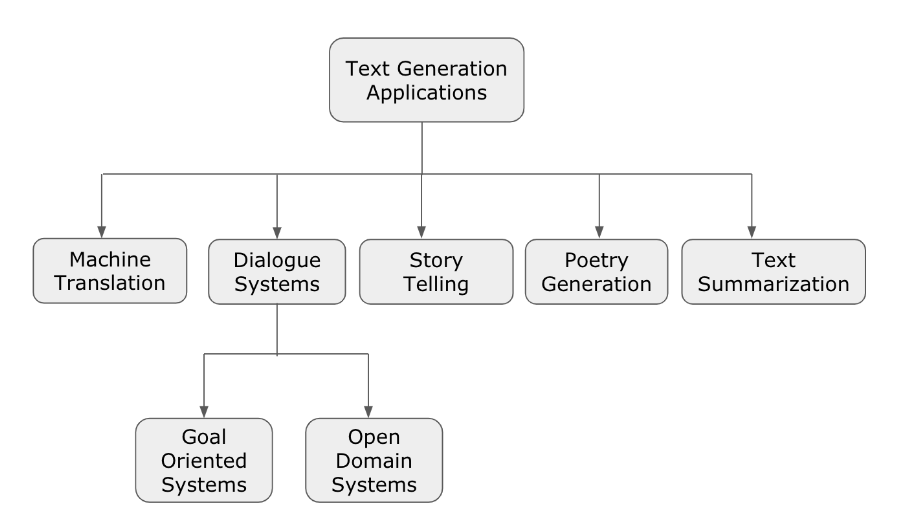
Because of their powerful language capabilities, LLMs are used in a growing number of applications. They act as the engine behind many generative AI tools.
Common use cases include:
- Content Creation: Drafting emails, writing articles, and generating creative stories.
- Summarization: Condensing long documents or articles into key points.
- Translation: Translating text between different languages.
- Code Generation: Writing computer code based on a natural language description.
- Dialogue Systems: Powering chatbots and virtual assistants for customer service or information retrieval.
Understanding these fundamentals is the first step toward using LLMs effectively. Knowing how they are built and trained helps you understand why they respond the way they do and how to craft prompts that get the best results.
What is the fundamental task of a Large Language Model (LLM) during text generation?
The key innovation that allowed models like the Transformer to handle long sentences and maintain context was a mechanism called __________.