Mastering Prompt Engineering
Introduction to Large Language Models
What Is a Large Language Model?
At its core, a large language model, or LLM, is an AI designed to understand and generate human language. Think of it as a massive, digital brain that has read a significant portion of the internet—books, articles, websites, and more. By analyzing all this text, it learns the patterns, rules, and nuances of language.
Its main purpose is to process a piece of text you give it, called a prompt, and predict what words should come next. This allows it to perform a huge range of tasks.
Large language models (LLMs) are AI systems that understand and create human language, doing tasks like summarizing articles, answering questions, writing code, and more.
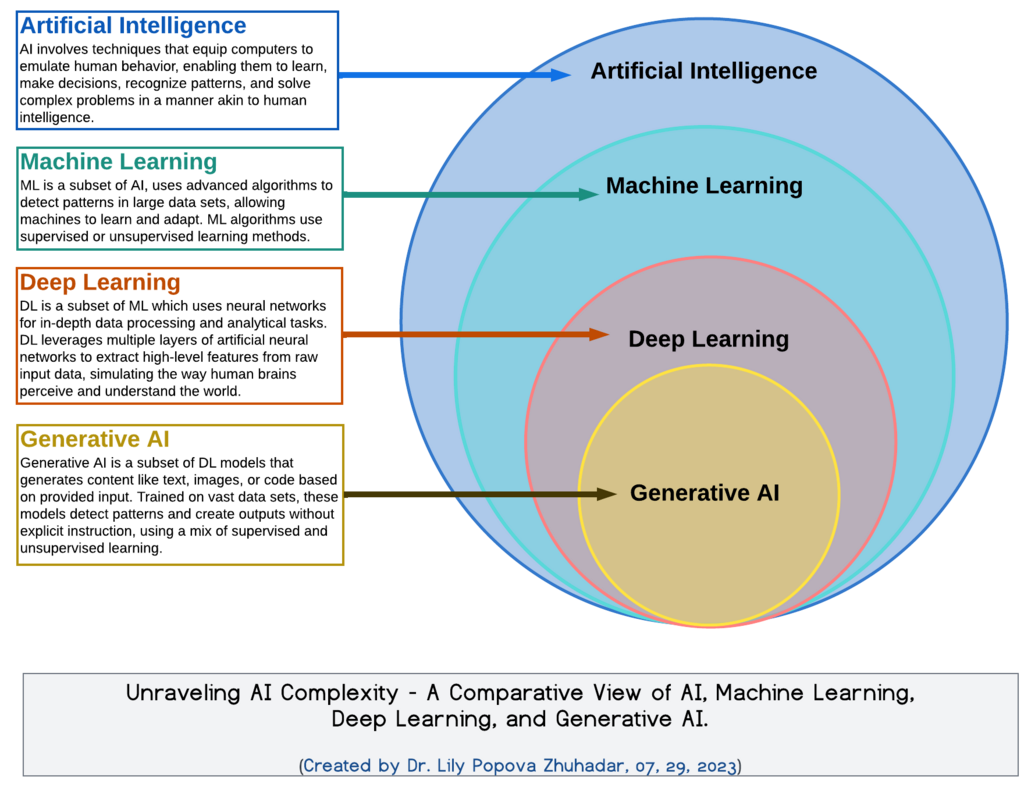
LLMs are a specific type of artificial intelligence that falls under the umbrella of machine learning and deep learning. They represent the current cutting edge of generative AI, which focuses on creating new content.
How They're Built
Modern LLMs are built on an architecture called the Transformer, introduced in 2017. Before the Transformer, models processed text word by word in sequence, which made it hard to keep track of context in long sentences.
The Transformer’s key innovation is the attention mechanism. This allows the model to weigh the importance of different words in the input text when producing an output. It can look at the entire sentence at once, understanding how each word relates to every other word, no matter how far apart they are. This is crucial for grasping context, ambiguity, and complex sentence structures.
Training an LLM is a two-stage process. First is pre-training, where the model is fed a massive, diverse dataset of text. Its goal is simple: predict the next word in a sentence. By doing this billions of times, it develops a sophisticated internal representation of language.
Second is fine-tuning. After pre-training, the general model can be adapted for specific tasks, like translation or question-answering. This involves training it on a smaller, more specialized dataset. For example, a model could be fine-tuned on a dataset of medical journals to become a specialized medical chatbot.
LLMs in the Wild
You likely interact with LLMs regularly. They power many modern applications:
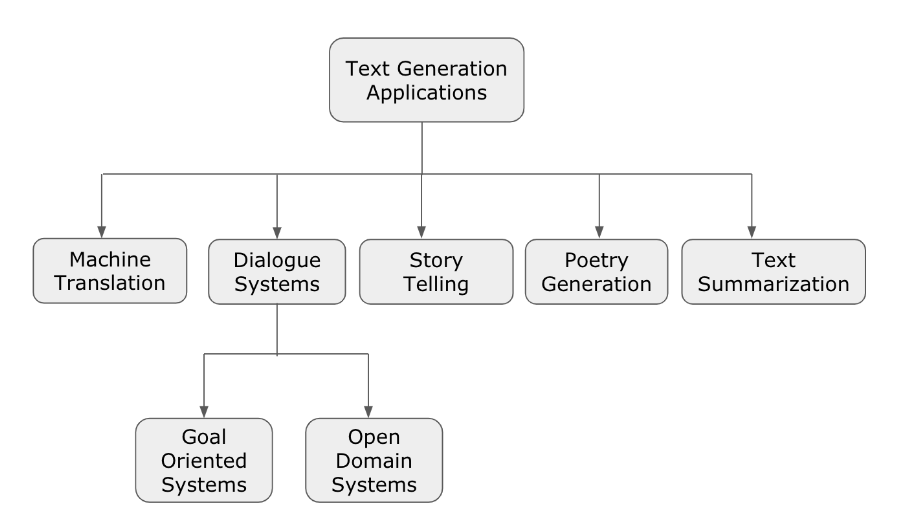
- Chatbots and Virtual Assistants: Systems like ChatGPT or Google Assistant use LLMs to have natural, human-like conversations.
- Content Creation: They can draft emails, write articles, generate marketing copy, or even create poetry and scripts.
- Summarization: LLMs can condense long documents, articles, or meetings into key bullet points.
- Code Generation: Developers use them to write, debug, and explain code in various programming languages.
- Language Translation: Advanced translation services rely on LLMs to provide more accurate and context-aware translations.
The Role of Prompt Engineering
An LLM's output is highly dependent on its input. The way you phrase your request, or prompt, can dramatically change the quality, tone, and accuracy of the response. This is where prompt engineering comes in.
Prompt engineering is the art and science of designing effective inputs to guide an LLM toward a desired output. A good prompt is clear, specific, and provides sufficient context for the model to understand the task. Think of it as giving good directions. If you tell someone to "go to the store," you might get a confused look. But if you say, "Please go to the grocery store on Main Street and buy a carton of milk," you're much more likely to get what you want.
By learning how to craft better prompts, you can unlock the full potential of these powerful tools, making them more reliable and useful for your specific needs.
Understanding what LLMs are and how they work is the first step. With this foundation, you can begin to think critically about how to communicate with them effectively.
What is the fundamental task an LLM performs when processing a prompt?
What key innovation, introduced by the Transformer architecture, allows modern LLMs to understand context in long sentences by weighing the importance of different words?