Mastering Prompt Engineering
Introduction to Large Language Models
What Are Large Language Models?
A Large Language Model, or LLM, is a type of artificial intelligence trained to understand and generate human-like text. Think of it like a student who has read nearly every book, article, and website ever published. By analyzing this massive amount of text, it learns the patterns, grammar, and nuances of language. Its primary purpose is to process a piece of text you give it—called a prompt—and predict what should come next.
At their core, LLMs are prediction engines. They take an input and generate the most statistically likely sequence of words to follow.
This predictive ability is what allows an LLM to answer questions, write essays, translate languages, or even generate computer code. It's not thinking or understanding in the human sense. Instead, it's using complex statistical patterns learned from its training data to construct a coherent response.
The Training Process
LLMs learn through a process called deep learning, using a structure known as a neural network. The training process involves feeding the model an enormous dataset of text and having it perform a simple task over and over: predict the next word in a sentence. For example, given the phrase "The cat sat on the…", the model might predict "mat." If it's correct, its internal connections are strengthened. If it's wrong, they're adjusted.
This process is repeated billions or even trillions of times across vast collections of text from the internet, books, and other sources. The scale of this data is immense.
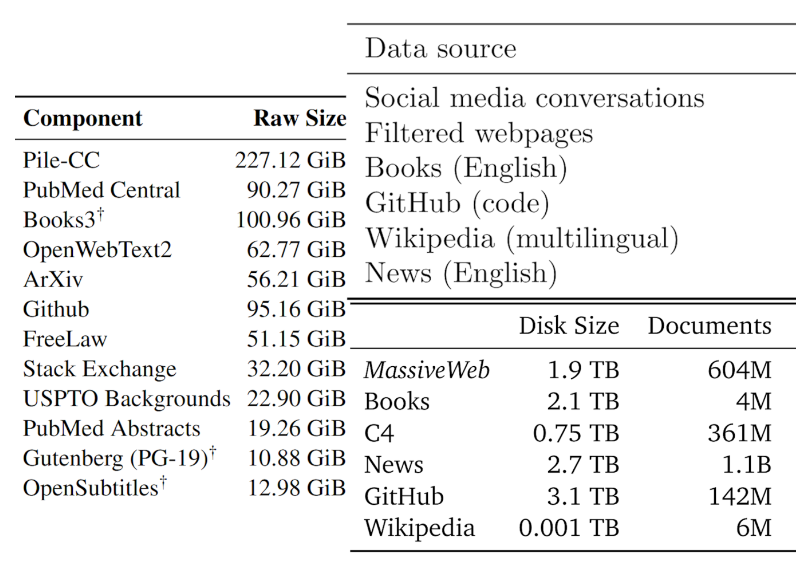
Through this repetitive training, the model doesn't just memorize sentences. It learns grammar, context, facts, reasoning styles, and even how to be creative.
Inside the Transformer Architecture
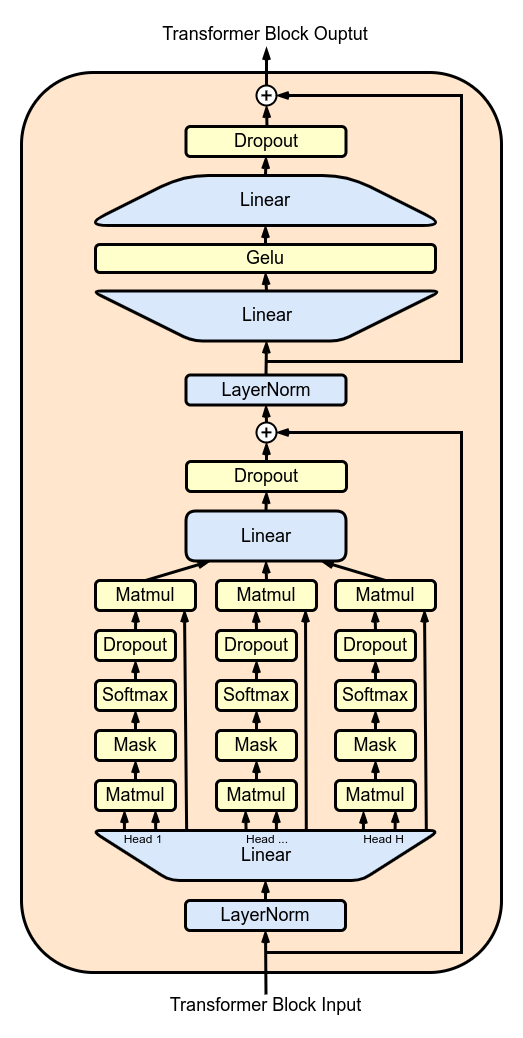
Modern LLMs are built on an architecture called the Transformer. Introduced in 2017, the Transformer was a breakthrough because it allowed models to handle long-range dependencies in text much more effectively than previous designs. The key innovation is a mechanism called "attention."
Attention allows the model to weigh the importance of different words in the input text when generating a response. When processing a sentence, it can "pay attention" to words that are most relevant to the current word it's considering, even if they are far apart.
Consider the sentence: "The robot picked up the heavy box because it was strong." The attention mechanism helps the model understand that "it" refers to the "robot," not the "box."
Common Applications and Limitations
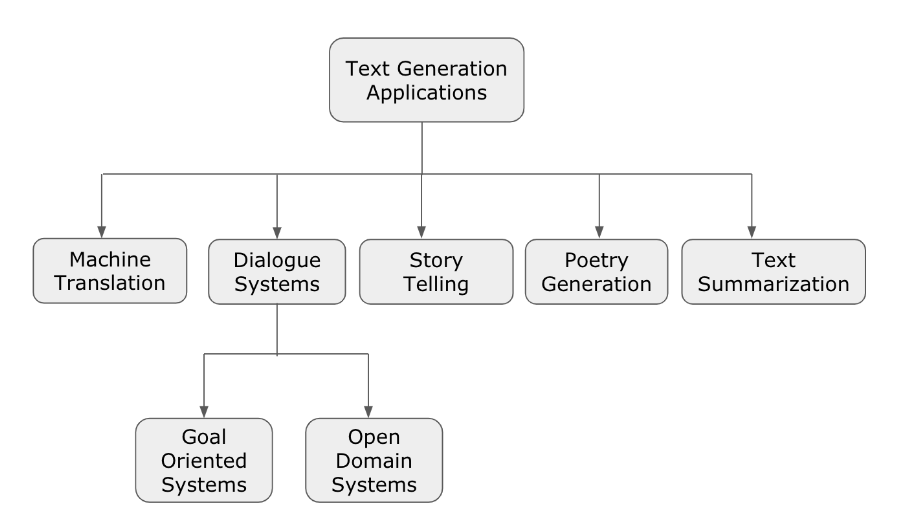
Because of their versatile language capabilities, LLMs are used in a wide range of applications. These include everything from chatbots and virtual assistants to tools that summarize complex documents, translate between languages, and help developers write code.
However, LLMs have significant limitations. They don't possess true consciousness or understanding. Their knowledge is frozen at the time of their training, meaning they aren't aware of recent events. More importantly, they can have issues with accuracy and bias.
Hallucination
noun
An instance where an LLM generates text that is factually incorrect, nonsensical, or not grounded in its training data, presenting it as if it were factual.
LLMs can also confidently state incorrect information, a phenomenon known as "hallucination." Because they are trained on vast amounts of human-generated text from the internet, they can also absorb and reproduce the biases present in that data. Understanding these limitations is the first step toward using these powerful tools effectively and responsibly.
Now, let's test your understanding of these core concepts.
What is the primary, most fundamental task an LLM is trained to perform?
The breakthrough architecture that allows modern LLMs to effectively weigh the importance of different words in a text, even if they are far apart, is called: