Mastering Project Time Management
Introduction to Time Management
Time is a Resource
In project management, time isn't just something that passes. It's a finite resource, just like money or materials. Time management is the process of using that resource wisely to complete a project on schedule. It’s about making deliberate choices to plan, schedule, and control the project's timeline from start to finish.
Think of it as the project's roadmap. Without it, you're just wandering. A solid time management plan ensures everyone knows what needs to be done, when it needs to happen, and how their work fits into the bigger picture. This predictability is crucial for meeting deadlines and keeping stakeholders confident.
Effective time management is the difference between delivering a project successfully and explaining why it's late.
The Three Pillars
Time management stands on three core pillars: planning, scheduling, and controlling. Each one builds on the last to create a comprehensive approach to managing the project's clock.
1. Planning: This is the thinking phase. Before you can build a timeline, you need to understand the work. Planning involves:
- Defining Activities: Breaking down large project deliverables into smaller, manageable tasks.
- Sequencing Activities: Figuring out the logical order of these tasks. You can't paint the walls before the drywall is up.
- Estimating Resources & Duration: Determining who and what you need for each task, and how long it will likely take them.
2. Scheduling: Once you've planned the work, it’s time to schedule it. This is where you create the actual project timeline. You'll assign start and end dates to each activity, creating a clear sequence of events. The schedule is a living document that visualizes the path to project completion.
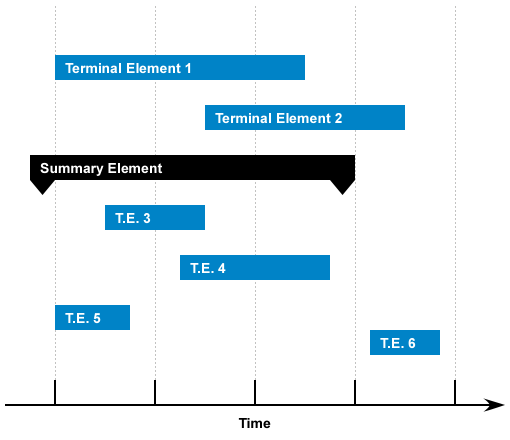
3. Controlling: A schedule is only useful if you stick to it. Controlling is the active process of monitoring the project's progress against your schedule. This involves tracking completed tasks, identifying any delays or variances, and taking corrective action to get back on track. If a task is falling behind, you need to know why and what you can do about it.
A Connected Discipline
Time management doesn't exist in a bubble. It's deeply intertwined with other key areas of project management. A change in one area often has a direct impact on the project's timeline.
-
Scope: The scope defines what work needs to be done. If a client asks for a new feature (an example of 'scope creep'), you'll need more time to build it. The schedule must be updated to reflect this new work.
-
Cost: Time is money. The longer a project takes, the more it costs in labor, equipment, and other resources. Delays can easily blow the budget.
-
Risk: What if a key team member gets sick or a supplier is late? These are risks that can cause delays. A good schedule includes a buffer, or contingency time, to absorb unexpected problems without derailing the entire project.
The Cost of Poor Timing
When time management fails, the consequences can be severe and far-reaching. It’s rarely just about a single missed deadline. A delay in one task can create a domino effect, pushing back subsequent tasks and jeopardizing the entire project.
The fallout from poor time management includes:
- Blown Budgets: Projects that run long almost always run over budget.
- Unhappy Stakeholders: Consistently missing deadlines erodes trust and can damage client relationships.
- Reduced Quality: When teams are rushed, they may cut corners, leading to a lower-quality final product.
- Team Burnout: A constant state of catching up is stressful and unsustainable, leading to low morale and employee turnover.
In project management, what is the primary goal of time management?
Which of the following are the three core pillars of project time management?
Ultimately, mastering the project's timeline is fundamental to successful project management. It provides structure, clarity, and control, paving the way for delivering results on time and on budget.