Mastering Professional Software Workflows
Enterprise Project Architecture
From Projects to Portfolios
Managing a single project is like conducting a string quartet. Each musician has a part, and your job is to keep them in sync to produce a beautiful piece of music. Managing an enterprise portfolio, however, is like conducting a full symphony orchestra with multiple composers. It's not just about one piece of music; it's about curating an entire concert season that tells a coherent story and achieves a strategic artistic vision.
Enterprise project architecture is the discipline of structuring and managing a collection of projects to achieve long-term business goals. This is where becomes critical. Instead of asking, "Is this project on schedule?" we start asking, "Does this project still support our quarterly objectives? Does it move us closer to our five-year plan?" Every project, no matter how small, must have a clear line of sight to a larger organizational goal.
Enterprise architects focus on the overall structure and strategy of an organization's IT systems, ensuring that they align with the business goals and objectives.
Building the Hierarchy
To manage this complexity, we need a structure that can scale. A flat list of hundreds of projects is unmanageable. Instead, we organize work hierarchically. While the specific terms can vary, a common structure builds from granular tasks to broad strategic goals.
This structure provides clarity at every level. Executives can review portfolio progress without getting bogged down in individual tasks. Meanwhile, teams on the ground understand how their daily work on a user story contributes to a larger and, ultimately, a core company initiative.
Juggling Dependencies and Resources
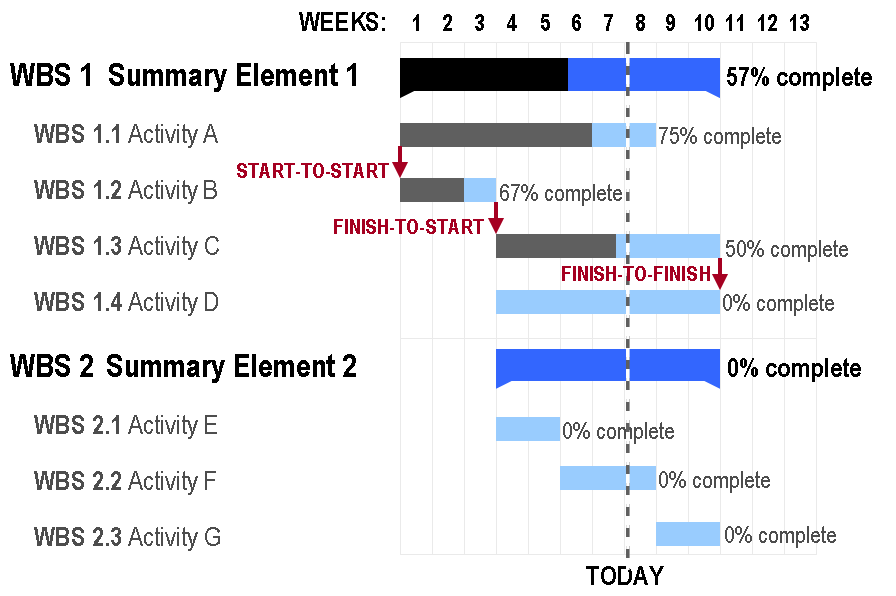
In a complex enterprise, no project is an island. The marketing team's website redesign project depends on the IT team's server upgrade project. This is a cross-project dependency. If the server upgrade is delayed, the website launch is automatically pushed back, creating a cascade of delays and frustrated stakeholders.
Mapping these dependencies is a primary task of the enterprise architect. It allows for proactive risk management. If we know Project A is a bottleneck for three other projects, we can allocate more resources to it or adjust timelines accordingly.
This brings us to another challenge: people. You might have ten active projects but only three data scientists. How do you allocate their time without burning them out? This is the puzzle of —adjusting schedules and priorities to ensure work is distributed evenly and sustainably over time.
Instead of assigning a developer to two major projects with simultaneous deadlines, resource leveling might stagger the start dates. The goal is to smooth out the peaks and valleys of resource demand, creating a more predictable and less chaotic work environment. This prevents key personnel from becoming bottlenecks that slow down the entire portfolio.
Visualizing the Big Picture
With hundreds of moving parts, dependencies, and shared resources, how do you keep everyone informed? Spreadsheets and task lists won't cut it. This is where high-level visualization tools, especially Gantt charts, are indispensable.
A portfolio-level Gantt chart strips away the daily tasks and focuses on major phases, milestones, and the critical dependencies between projects. It provides a single source of truth that a CEO can look at to understand the state of major initiatives in under five minutes. It answers key questions at a glance: Are we on track to launch the new product line by Q4? What's the impact of the supply chain delay on our top three projects?
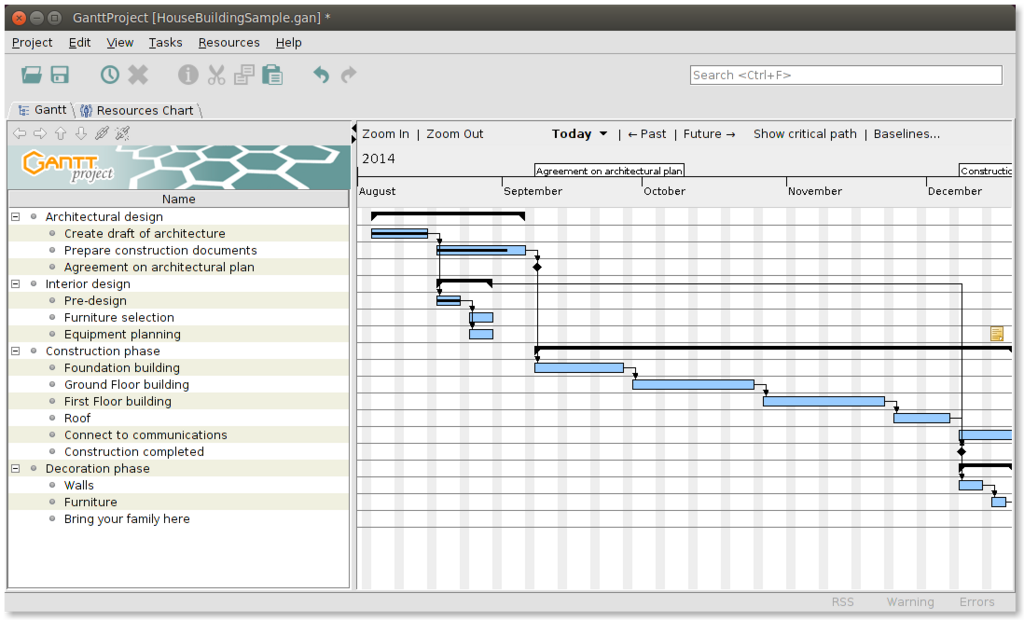
Effective visualization turns complex data into actionable insight. For stakeholders, a clear timeline is more valuable than a hundred-page status report.
Mastering enterprise architecture is about moving from a task-oriented mindset to a systems-thinking approach. It requires seeing the entire forest, not just the individual trees, and ensuring every part works in concert to achieve something great.
What is the primary goal of 'strategic alignment' in enterprise project architecture?
A company has three data scientists who are needed across ten different projects. To avoid burnout and bottlenecks, a manager staggers the project start dates and adjusts priorities so the data scientists' workload is more evenly distributed. What is this practice called?