Mastering Professional Memos
Memo Fundamentals
What is a Memo?
A memorandum, or memo, is a short, official note for internal communication within an organization. Think of it as a professional text message for the workplace. Memos are used to make announcements, clarify policies, make requests, or provide a brief report on a specific topic. Their primary purpose is to get information to people efficiently.
Unlike a formal report, a memo is direct and to the point. It's not for lengthy discussions but for clear, one-way communication. For example, a manager might send a memo to their team about a new weekly meeting schedule, or HR might circulate a memo explaining changes to the company's health benefits.
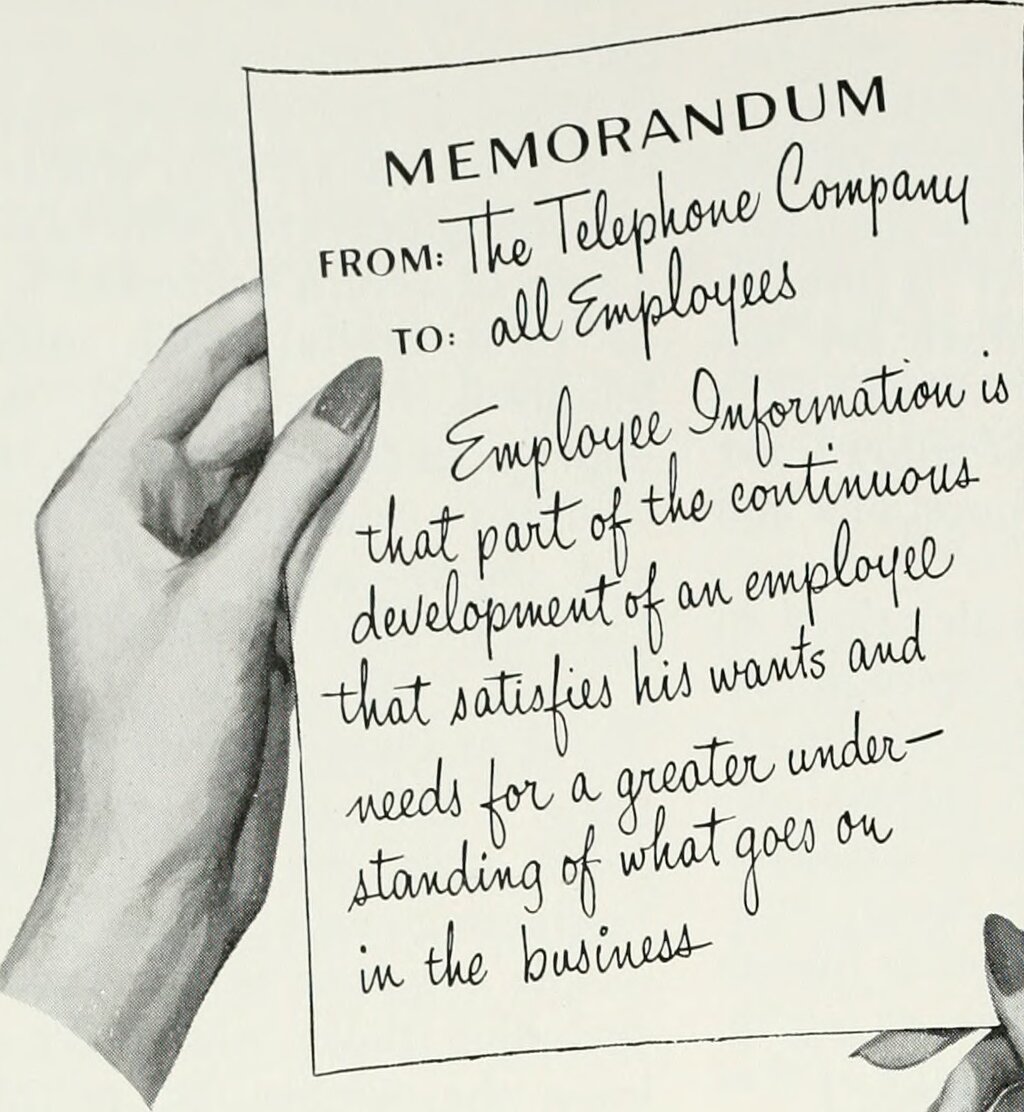
The Standard Memo Structure
While the content can vary, the format of a memo is quite standard. This predictability helps readers quickly find the information they need. Every memo starts with a clear heading.
| Heading | Purpose |
|---|---|
| To: | Lists the name(s) and title(s) of the recipient(s). |
| From: | Identifies the sender by name and title. |
| Date: | Shows when the memo was written. |
| Subject: | A brief, specific title for the memo's content. |
The subject line is especially important. It should be a concise summary that tells the reader exactly what the memo is about before they even read the first sentence. A good subject line might be "New Printing Policy Effective October 1st," not just "Printing."
After the heading, the memo is typically divided into three parts:
- Introduction: This is a brief opening, usually one or two sentences, that gets straight to the point. It clearly states the purpose of the memo.
- Body: This section elaborates on the main point. It provides the necessary background, details, and facts. If the information is complex, use bullet points or numbered lists to make it easier to read.
- Conclusion: The final section should clarify what you want the reader to do. It might include a specific call to action, a recommendation, or a summary of key decisions.
Get to the point quickly, provide the necessary details, and tell the reader what to do next. That's the core of an effective memo.
Clarity and Conciseness
The defining feature of a good memo is its clarity. The language should be simple, direct, and free of jargon. Remember, your audience is busy. They need to understand the message on the first read, without having to decipher complex sentences or unfamiliar terms.
Conciseness is just as important. A memo should only contain essential information. Before writing, ask yourself what the reader absolutely needs to know. Cut out any extra words, redundant phrases, or irrelevant details. If a sentence doesn't serve a clear purpose, it probably doesn't belong in the memo.
The opening paragraph states your purpose for writing so that readers can quickly grasp the memo’s content and significance to them.
Consider the difference:
- Wordy: It has come to my attention that the mandatory meeting which was previously scheduled to take place on Tuesday will now be held on Wednesday at 10:00 AM in the main conference room.
- Concise: The mandatory meeting is rescheduled for Wednesday at 10:00 AM in the main conference room.
Both sentences convey the same information, but the second one does it in half the words, making it faster to read and easier to understand.
Now, let's check your understanding of these core concepts.
What is the primary purpose of a memorandum (memo)?
Which of the following would be the most effective subject line for a memo?
By mastering these fundamentals—purpose, structure, and clarity—you can write effective memos that communicate information clearly and professionally.