Mastering Professional Connections
Strategic Value Exchange
Beyond the Handshake
Effective networking moves past simple conversation. It’s about building a professional ecosystem where you are seen as a valuable resource. The core of this is a 'give-and-get' model, but it starts with giving. By strategically offering your unique assets, you shift from being just another contact to becoming a key player in your network.
The Psychology of Giving First
At the heart of strategic networking is a powerful psychological trigger: the This principle states that when someone does something for you, you feel a natural obligation to do something for them in return. It’s a deeply ingrained social behavior. Think about it: if a neighbor helps you move a heavy couch, you're more likely to offer them a hand with their yard work later.
In a professional context, this isn’t about manipulation. It's about leading with generosity. When you provide value without any immediate expectation of a return, you build trust and establish yourself as a helpful, knowledgeable person. This is the foundation of a relational, not transactional, approach to networking. The goal is to create a long-term alliance, not a one-time trade.
Mapping Your Professional Assets
Many professionals, especially those in entry-to-mid-level roles, mistakenly believe they have little to offer seasoned experts. This is rarely true. The first step is to conduct an honest inventory of your assets. This process, called Asset Mapping, helps you identify exactly what value you can bring to a connection.
Think beyond just your job title. Your value is a unique combination of your knowledge, skills, and connections. Here's a simple way to categorize your assets:
| Asset Category | Description | Examples |
|---|---|---|
| Knowledge | What you know. | Expertise in a new software, deep understanding of a niche market, insights from a recent conference. |
| Skills | What you can do. | Data analysis, public speaking, graphic design, project management, writing clear reports. |
| Network | Who you know. | Connections to people in other departments, industries, or companies; access to professional groups. |
| Resources | What you have access to. | A company discount, access to a specific dataset, an introduction to a mentor. |
Don't overlook your 'invisible' assets. Your fresh perspective on an old problem is valuable. Your understanding of a younger consumer demographic is valuable. Even your time and energy to help organize an event can be a significant asset. The information you possess, from industry trends to competitor insights, is a form of capital. In today's economy, this can be one of your most powerful offerings.
Crafting Your Value Proposition
Once you know what you have to offer, the final step is learning how to present it. This is your —a clear, concise statement of the benefit you provide. A good value proposition is framed around the other person's needs, not your own.
The key is to avoid sounding transactional. A transactional approach says, "If you introduce me to your boss, I'll analyze that sales data for you." It feels forced and conditional. A relational approach is much more effective. It sounds like this: "I was thinking about the sales forecasting problem you mentioned. I have some experience with data visualization tools that might make those trends clearer. Happy to show you what I mean if it's helpful."
The offer is made without strings attached. You are positioning yourself as a problem-solver and a resource, not as someone looking for a quick favor.
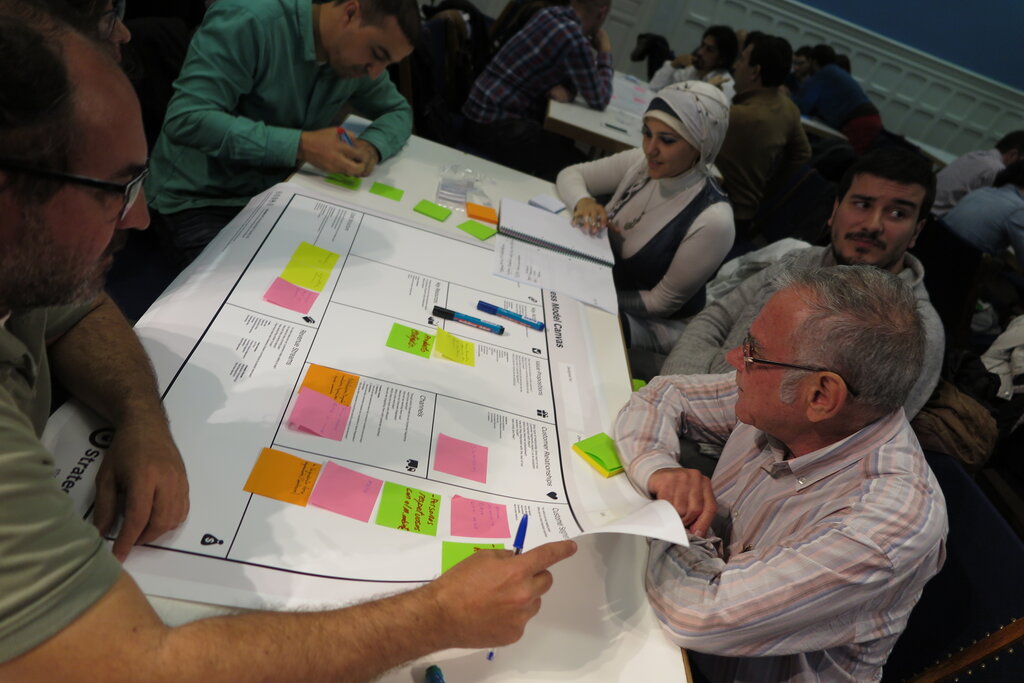
This approach requires you to listen carefully to the challenges and goals of the people you meet. When you hear a problem you can help solve, that’s your opening. By aligning your offer of value with their strategic needs, you create a powerful, memorable connection that goes far beyond a simple exchange of business cards.
Ready to test your understanding of value exchange?
What is the core psychological principle that drives the 'give-and-get' model of networking?
The process of conducting an inventory of your unique knowledge, skills, and connections to identify the value you can offer is called:
By consistently providing value, you build a reputation as a giver. Over time, that reputation becomes your most powerful networking asset.