Mastering Productive Remote Meetings
Understanding Remote Meeting Dynamics
The Virtual Room
Think about the last in-person meeting you attended. You probably noticed who was leaning forward, who was taking notes, and who was subtly checking their watch. You could feel the energy in the room, whether it was creative and buzzing or tense and quiet. These small, unspoken cues are a huge part of how we communicate.
In a remote meeting, this rich layer of communication disappears. Instead of a shared physical space, we have a grid of faces on a screen. We lose most body language. It's nearly impossible to make natural eye contact, as we're trained to look at the faces on the screen, not directly into the camera. The casual side chats before a meeting starts or the quick clarifying question whispered to a neighbor are gone.
The physical absence of colleagues creates a digital barrier. Communication becomes less spontaneous and requires more deliberate effort.
This shift isn't just about missing social cues. It fundamentally changes the flow of conversation. It’s harder to jump in with an idea without interrupting someone. Brainstorming can feel stilted because the rapid, energetic back-and-forth is difficult to replicate when only one person can speak at a time without causing audio chaos.
Navigating Virtual Hurdles
Because the environment is so different, it's no surprise that remote meetings come with their own unique set of challenges. One of the biggest is the increased cognitive load. Our brains have to work much harder to process information and pick up on limited non-verbal cues, leading to a phenomenon often called "Zoom fatigue."
Distractions are another major factor. In an office, everyone is focused on the same task. At home, you might be dealing with a barking dog, a delivery at the door, or the temptation of a nearby pile of laundry. This split focus can pull people out of the meeting, making it harder to stay engaged and contribute meaningfully.
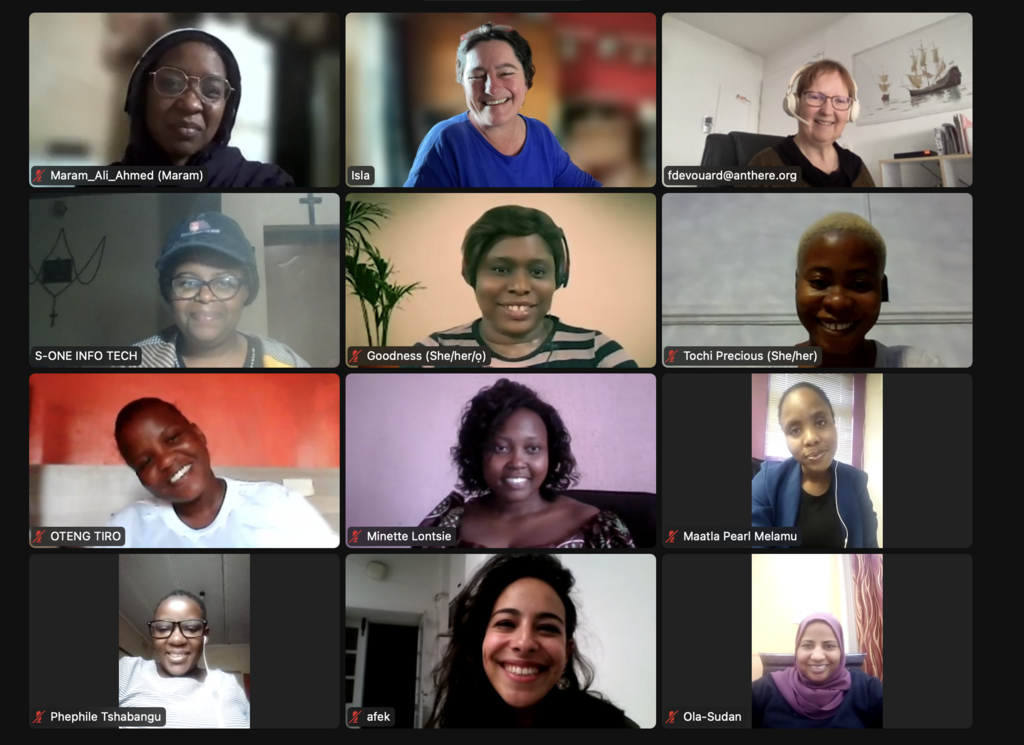
The structure of virtual calls can also feel isolating. Without the small talk and organic interactions that happen in a physical workspace, it's easy for meetings to become purely transactional, stripping away the personal connections that help build a strong team.
Shifting Team Dynamics
The move to remote meetings doesn't just change how we talk; it changes how we work together. In a virtual setting, it's easier for quieter or more introverted team members to fade into the background. They might not feel comfortable unmuting and interrupting to share an idea, whereas in person, a thoughtful pause or a raised hand would be easily noticed.
There's also the risk of an "out of sight, out of mind" mentality. Team members you don't see or hear from regularly in meetings can feel disconnected from the group's progress and decisions. This is especially true in hybrid models, where in-person attendees can unintentionally dominate the conversation, leaving remote participants feeling like spectators rather than active contributors.
In remote meetings, equal participation doesn't happen by accident. It requires intentional effort from everyone involved.
Recognizing these different dynamics is the first step. When we understand that a virtual meeting room operates under a different set of social and psychological rules, we can begin to adapt our approach to make them more inclusive, productive, and less draining for everyone.
What crucial element of in-person communication is significantly diminished in a remote meeting setting?
According to the text, what is the primary reason remote meetings can lead to "Zoom fatigue"?