Mastering Product Sense
Introduction to Product Sense
What is Product Sense?
Product sense is the ability to understand what makes a product great. It's not a magical gift, but a cultivated skill for knowing what users need, what the market offers, and how to connect the two with a compelling product. Think of it as the intuition of a great chef. They don't just follow recipes; they understand how flavors, textures, and ingredients work together to create a dish people will love. In the same way, a product manager with strong product sense can see the ingredients of a problem and envision a solution that truly satisfies.
Product Sense
noun
The skill of consistently making good decisions about products. It involves a deep understanding of users, the market, and how a product can best serve both to achieve its goals.
A well-developed product sense may feel like you’ve got great intuition, but no one is born with this quality.
This skill isn't about having all the answers. It's about knowing which questions to ask. Developing it requires a foundation of three core skills: user empathy, market understanding, and product thinking.
Start with Empathy
The best products solve real problems for real people. To do that, you have to understand those people on a deep level. User empathy is the ability to see the world from your users' perspective. What are their daily challenges? What frustrates them? What are they trying to accomplish?
Empathy goes beyond just listening to what users say they want. It’s about observing their behavior and understanding their underlying needs, which they might not even be able to articulate. When you truly empathize with your users, you can design solutions that feel intuitive and genuinely helpful.

Building with empathy means you're not just creating a feature; you're solving a frustration.
Understand the Landscape
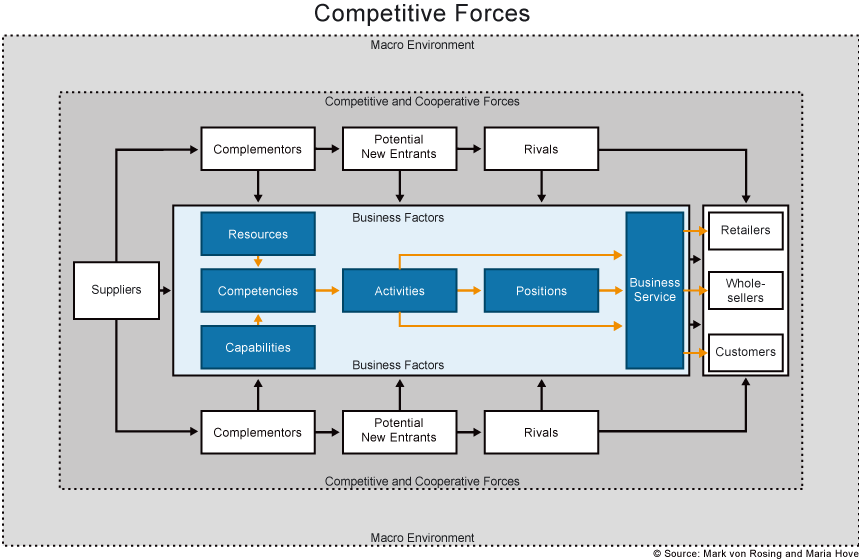
No product exists in a vacuum. Market understanding means knowing the world your product lives in. Who are your competitors? What are they doing well, and where do they fall short? What broader trends in technology or culture could affect your product?
This isn't just about creating a list of competitors. It’s about analyzing the entire ecosystem to find opportunities. A solid grasp of the market helps you position your product effectively, differentiate it from others, and anticipate shifts that could create new challenges or open up new possibilities. It provides the context for your ideas, ensuring you’re building something that is not only useful but also viable.
Connect the Dots
The final piece of the puzzle is product thinking. This is the skill of bringing everything together. It involves taking your deep user empathy and broad market understanding and synthesizing them into a clear vision for a product. It's where you connect the user's problem to a business goal.
Product thinking is about defining the core purpose of your product. What is the essential problem it solves? Who is it for? How will it succeed? It’s a structured approach to move from abstract ideas and observations to a concrete product strategy. This disciplined thinking ensures you build not just something people want, but a product that is focused, coherent, and aligned with a larger vision.
Product thinking transforms insights about users and markets into a clear, actionable plan for what to build and why.
Together, these three skills form the bedrock of product sense. By cultivating empathy for your users, understanding the market landscape, and applying structured product thinking, you can develop the intuition needed to guide products from a simple idea to a successful reality.