Mastering Product-Led Growth
Introduction to Product-Led Growth
What Is Product-Led Growth?
Product-Led Growth, or PLG, is a strategy where the product itself is the main engine for acquiring, keeping, and growing a customer base. Instead of relying heavily on sales teams or big marketing budgets, companies with a PLG model build a product that's so good, it practically sells itself. Users discover the product, start using it, and see its value on their own, often without ever talking to a salesperson.
Product Led Growth (PLG) focuses on the product as the primary driver for user acquisition, retention, and expansion.
The core idea is simple: let people experience the product's value firsthand. This is often done through a free trial or a freemium model, where a basic version of the product is available for free. As users get value from the free version, they are more likely to upgrade to a paid plan for more features and capabilities. This approach puts the user experience front and center.
PLG vs. Traditional Growth
Historically, companies grew through two main strategies: sales-led or marketing-led growth.
In a sales-led model, the sales team does the heavy lifting. They find potential customers, give them demos, and negotiate contracts. This approach works well for complex, expensive products sold to large enterprises.
In a marketing-led model, the marketing team creates content, runs ads, and generates leads for the sales team to follow up on. The goal is to capture interest and guide potential customers into the sales pipeline.
PLG flips the script. The product is the star of the show, acting as the primary channel for both marketing and sales. Instead of being persuaded by a person, the user is persuaded by the product itself.
| Strategy | Primary Driver | Customer Acquisition | Key Metric |
|---|---|---|---|
| Sales-Led | Sales Team | Demos, calls, contracts | Closed deals |
| Marketing-Led | Marketing Team | Ads, content, SEO | Marketing Qualified Leads (MQLs) |
| Product-Led | The Product | Freemium, free trials | Product Qualified Leads (PQLs) |
Core Principles of PLG
A successful PLG strategy is built on a few key ideas.
First, it's all about delivering value before capturing value. This means users should experience the product's core benefit—that “aha!” moment—as quickly as possible, well before they're asked to pay. This builds trust and demonstrates the product's worth directly.
Second, the user experience must be exceptional. This requires a deep focus on user-centric design. The product has to be intuitive and easy to use, because there might not be a salesperson to guide the user through it.
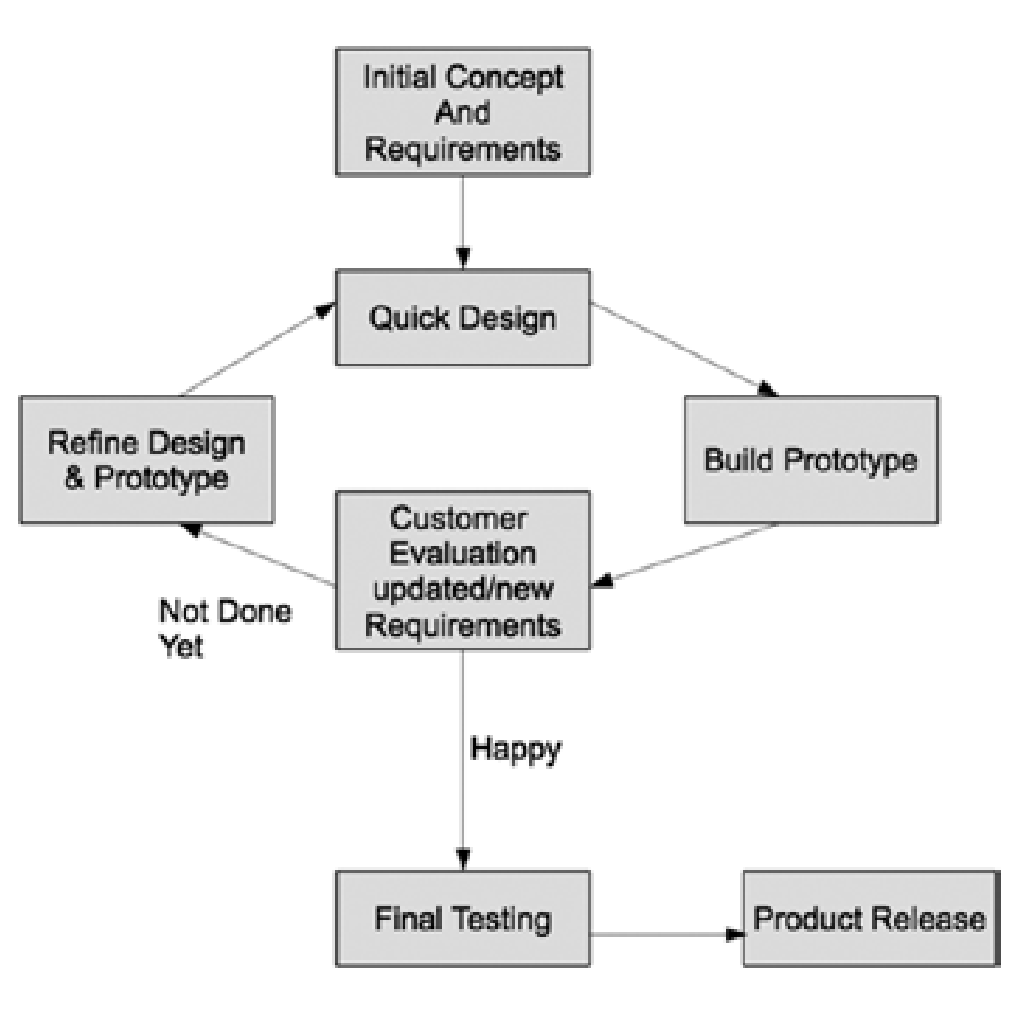
Finally, PLG relies on a self-service onboarding process. Users need to be able to sign up, get started, and learn how to use the product on their own. This removes friction and allows the product to grow much faster than if every new user needed a hands-on demonstration.
A seamless onboarding process is crucial for a PLG strategy.
Why Choose PLG?
Adopting a PLG strategy offers several significant benefits. Because the product handles much of the acquisition and conversion work, companies can often lower their customer acquisition costs (CAC). The sales cycle can also be much shorter, as users qualify themselves by actively using the product.
Furthermore, this model often leads to a better, more user-friendly product. When your product is your main growth engine, you are constantly incentivized to improve it based on user feedback and behavior. This focus on user experience can lead to higher customer satisfaction and retention rates, creating a strong foundation for sustainable growth.
Ready to check your understanding?
What is the primary driver of customer acquisition, retention, and expansion in a Product-Led Growth (PLG) strategy?
The core principle of "delivering value before capturing value" is central to PLG. This means users should experience the product's core benefit, or "aha!" moment...
By putting the product first, PLG creates a powerful and efficient way for businesses to grow, driven by the very value they provide to their users.