Mastering Product Building from Idea to Launch
Introduction to Product Building
The Product Journey
Every product you use, from your smartphone to your favorite app, started as a simple idea. But how does an idea become a real, tangible thing that people use? It's not a single leap, but a structured journey with several key steps. This journey is often called the product development lifecycle.
The product development lifecycle encompasses all stages a product goes through — from initial idea and market research to design, development, testing, launch, and ongoing maintenance.
Think of it like building a house. You don't just start hammering nails. First, you have an idea of what you want. Then you create blueprints (design), lay the foundation (development), inspect the wiring (testing), and finally, you move in (launch). And even after you've moved in, you'll still need to fix a leaky faucet or repaint a room (maintenance).
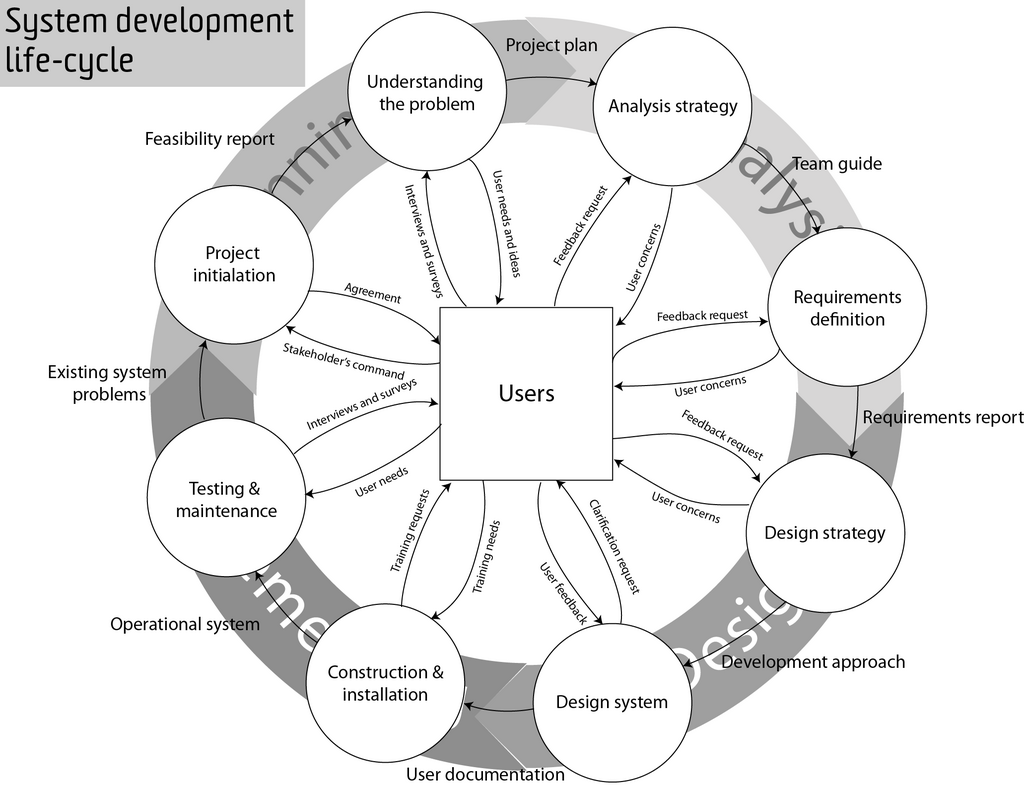
Each stage has a specific purpose:
-
Ideation & Research: This is the starting point. What problem are we solving? Who are we solving it for? Teams brainstorm ideas and research the market to see if the need is real.
-
Design: Here, the idea gets shape. Designers create wireframes, mockups, and prototypes to map out how the product will look and feel. The goal is to create a blueprint for the development team.
-
Development: The builders get to work. Engineers write the code and build the features outlined in the design phase. This is often the longest and most resource-intensive stage.
-
Testing: Before launching, the product must be tested for bugs, usability issues, and other problems. This quality assurance step ensures the product is reliable and easy to use.
-
Launch: The product is released to the public. This involves marketing, sales, and support to get the product into the hands of customers.
-
Maintenance & Iteration: The journey isn't over at launch. Teams gather user feedback, fix bugs, and work on new updates to improve the product over time.
A Cycle, Not a Straight Line
The most successful products are rarely built perfectly on the first try. That's why the lifecycle is a loop, not a one-way street. This is known as the iterative design process.
Iteration means building a small version of the product, getting feedback from real users, and then using that feedback to make improvements. Build, measure, learn, and repeat.
This cycle of feedback is crucial for aligning a product with what the market actually needs. Instead of spending months or years building a product in isolation, teams can quickly learn what works and what doesn't. This saves time, money, and ultimately leads to a better product that people love to use.
Following these steps provides a roadmap that helps teams navigate the complexities of creating something new. It ensures that decisions are based on user needs and data, not just assumptions.
Ready to check your understanding?
Which of the following best describes the product development lifecycle?
A team has just finished creating detailed wireframes and mockups for a new app. According to the typical product development lifecycle, what is the most logical next step?
Understanding this lifecycle is the first step toward building great products. It's a framework for turning a spark of an idea into a solution that can make a real impact.