Mastering Procurement Essentials
Procurement Fundamentals
What is Procurement?
At its core, procurement is how a company buys the goods and services it needs to operate. This isn't just about shopping. It’s a strategic process for acquiring things from an external source, whether that's raw materials for a factory, software for the office, or cleaning services for the building.
Procurement refers to the process of acquiring goods, services, or works from external sources.
The main goal isn't simply to find the cheapest option. Effective procurement aims to get the best possible value. This means balancing several key objectives:
- Cost Savings: Getting goods and services at a competitive price.
- Quality: Ensuring that what's purchased meets the required standards.
- Timeliness: Receiving items on schedule to avoid delays in operations.
- Risk Management: Identifying and minimizing potential problems, like a supplier going out of business or a sudden price hike.
- Supplier Relationships: Building strong, long-term partnerships with reliable suppliers.
The Procurement Cycle
Procurement follows a structured cycle of activities, ensuring that every purchase is deliberate and well-managed. While the details can vary, the process generally moves through a series of logical steps from identifying a need to fulfilling it.
Here's a closer look at each stage:
-
Identify Needs: The cycle begins when someone in the company recognizes a need for a product or service. This is formalized into a purchase request.
-
Supplier Selection: The procurement team researches, vets, and selects potential suppliers. This might involve sending out a Request for Quotation (RFQ) to get pricing.
-
Negotiate & Contract: Once a supplier is chosen, the two parties negotiate terms like price, delivery dates, and quality standards. This stage ends with a formal contract.
-
Purchase Order: A purchase order (PO) is created. This is a legally binding document that officially orders the goods or services from the supplier.
-
Receive Goods/Services: The supplier delivers the order. The receiving team inspects everything to ensure it matches the PO and meets quality expectations.
-
Invoice & Payment: The supplier sends an invoice. The accounts payable department checks it against the PO and receipt, and then processes the payment.
-
Performance Review: After the transaction, the procurement team might assess the supplier's performance. Was the delivery on time? Was the quality good? This helps decide whether to work with them again.
Roles and Responsibilities
A successful procurement process involves collaboration between several key roles, each with distinct responsibilities.
| Role | Key Responsibilities |
|---|---|
| Procurement Manager | Develops strategy, manages the team, handles major negotiations. |
| Purchasing Agent | Creates purchase orders, communicates with suppliers, tracks orders. |
| Stakeholder | Identifies the need, defines requirements for goods or services. |
| Accounts Payable | Processes supplier invoices and ensures timely payment. |
These roles work together to ensure the process runs smoothly. A stakeholder from the IT department might define the specs for new laptops, but it's the purchasing agent who finds the best vendor and places the order.
Why Procurement Matters
Good procurement is more than just an administrative task; it directly impacts a company's bottom line and overall performance. When done well, it saves money, reduces risk, and fosters innovation.
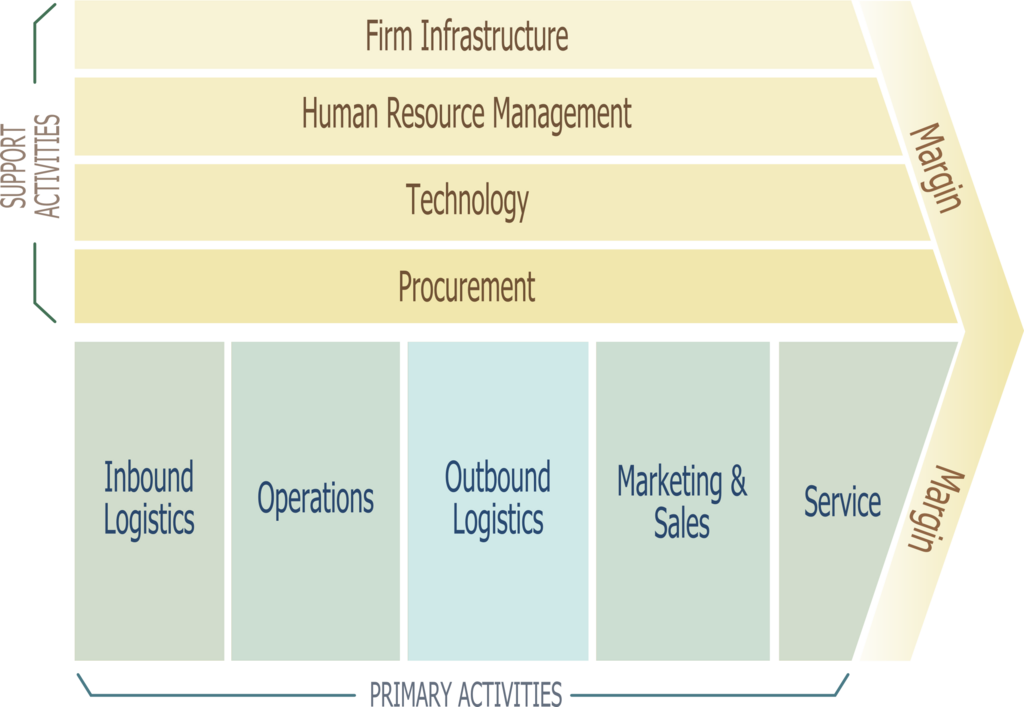
Procurement integrates with nearly every other department:
- Finance: Procurement activities directly affect the company's budget, cash flow, and profitability. The finance team relies on procurement data for accurate financial planning.
- Operations: The operations team depends on a steady supply of raw materials and equipment to produce goods or deliver services. A delay in procurement can halt production entirely.
- Legal: The legal team often reviews contracts to ensure they are fair and protect the company from risk.
- Marketing: A marketing team planning a major campaign needs procurement to source promotional materials and hire agencies on time and within budget.
By working closely with these functions, the procurement team ensures the entire organization has the resources it needs to succeed.
Now, let's test your understanding of these fundamental concepts.
What is the primary goal of effective procurement?
In the standard procurement cycle, which step immediately follows the negotiation and signing of a contract?
Getting these basics right is the first step to building an efficient and strategic purchasing process.