Mastering Procrastination Strategies
Understanding Procrastination
Why We Wait
Putting things off is often mistaken for laziness. But the two are very different. Laziness is about unwillingness to act or exert oneself. Procrastination, on the other hand, is an active process. You choose to do something else—like organizing your bookshelf or watching another episode—instead of the task you know you should be doing.
Procrastination is an emotional regulation problem, not a time management problem.
At its core, procrastination is a strategy for dealing with challenging emotions. When a task makes us feel anxious, bored, insecure, or frustrated, we tend to avoid it. The momentary relief we get from putting it off reinforces the habit, even though we know it will likely cause more stress later. It's a short-term mood fix with long-term consequences. Our brains are wired to prioritize immediate comfort over future rewards, making it easy to fall into this cycle.
The Fear Factor
Two major psychological drivers of procrastination are the fear of failure and its close cousin, perfectionism. When the stakes feel high, the pressure to perform perfectly can be paralyzing. You might worry about not meeting your own high standards or falling short of others' expectations.
Perfectionism can lead to procrastination.
This creates an all-or-nothing mindset. If you believe a project must be flawless, the thought of starting can be so intimidating that you avoid it altogether. The logic becomes, "If I can't do it perfectly, I'd rather not do it at all." This isn't a rational decision, but an emotional reaction to the anxiety that the task provokes. Procrastination becomes a defense mechanism to protect your self-esteem from the perceived threat of imperfection or failure.
When Your Brain Is Tired
Have you ever had a long day of making choices, only to find you can't bring yourself to decide what to have for dinner? That's decision fatigue. Our ability to make sound choices is a finite resource, and it gets depleted with use. Each decision, big or small, draws from the same well of mental energy.
Decision Fatigue
noun
The deteriorating quality of decisions made by an individual after a long session of decision making.
When you're mentally drained, your brain looks for shortcuts. The two most common ones are acting impulsively or avoiding the decision entirely. When faced with a complex or important task, the path of least resistance is often procrastination. The thought of breaking the task down, planning the first step, and getting started requires more decisions than your tired brain wants to make.
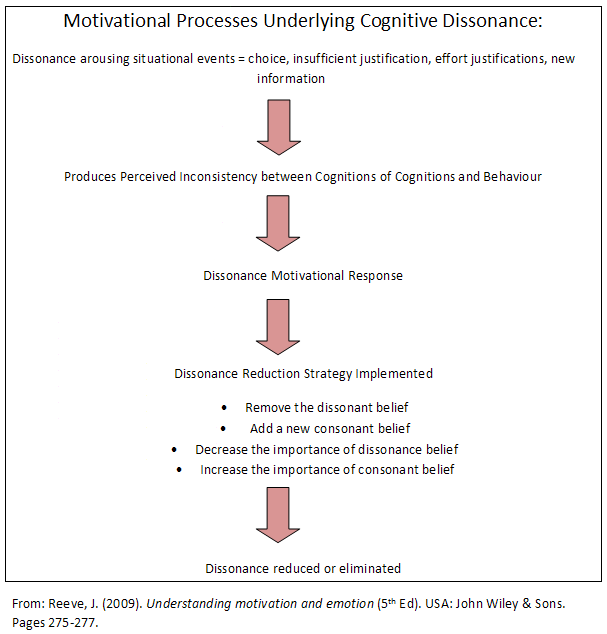
The constant cycle of putting things off takes a toll. Procrastination is linked to higher levels of stress, anxiety, and guilt. The looming deadline and the knowledge that you're avoiding your responsibilities create a persistent, low-grade anxiety. This can disrupt sleep, harm self-esteem, and in some cases, contribute to more serious mental health issues like depression.
The stress isn't just in your head. Chronic procrastination has been linked to physical health problems, including hypertension and cardiovascular disease, likely because of the long-term stress it creates. It's a self-defeating cycle: you procrastinate to avoid negative feelings, which in turn creates even more negative feelings.
Let's review the key concepts we've covered.
According to the text, what is the core difference between procrastination and laziness?
Procrastination is primarily a strategy for what?
Recognizing the emotional roots of procrastination is the first step toward addressing it. It's not a character flaw, but a complex human response to challenging feelings.