Mastering Problem Solving
Understanding Problem-Solving
What is Problem-Solving?
At its core, problem-solving is the process of finding solutions to difficult or complex issues. It's about moving from a current state to a desired goal. This isn't just for scientists or engineers; it's a fundamental skill we use every single day, whether we're figuring out the quickest route to work during a traffic jam or planning a budget to save for a big purchase.
Think of it as closing the gap between 'where you are' and 'where you want to be'.
Developing this skill allows you to navigate life's challenges more effectively. It helps you turn obstacles into opportunities and make confident, well-reasoned decisions. Strong problem-solvers are better equipped to handle uncertainty and adapt to change, making them valuable in any team, organization, or community.
Not All Problems Are Equal
Problems come in all shapes and sizes. Recognizing the type of problem you're facing is the first step toward finding the right approach. We can generally sort them into two categories: routine and complex.
Routine Problem
noun
A straightforward issue that has a clear, established solution path. These are problems we've often solved before.
Routine problems are familiar. Your car's gas tank is empty, so you go to a gas station. You're hungry, so you make a sandwich. The solution is usually obvious because you've learned it through past experience. You don’t need to invent a new strategy each time.
Complex problems are a different beast entirely. They are often multifaceted, with no clear solution or single right answer. The information might be incomplete, and the path forward is murky. Solving them requires creativity, critical thinking, and often, collaboration.
| Feature | Routine Problems | Complex Problems |
|---|---|---|
| Structure | Well-defined | Ill-defined |
| Solution Path | Clear, known | Unclear, requires discovery |
| Information | Readily available | Often incomplete or ambiguous |
| Example | Following a recipe | Designing a new app |
The Thinking Behind the Solution
So what happens in our brain when we tackle a problem? It's not magic; it’s a set of cognitive processes working together. Two of the most important are critical thinking and decision-making.
Critical thinking is your ability to analyze information objectively and evaluate a situation from all sides. It’s the voice in your head that asks questions like:
- What are the facts here?
- Am I making any assumptions?
- Is there another way to look at this?
This process helps you understand the true nature of the problem, rather than just its surface-level symptoms.
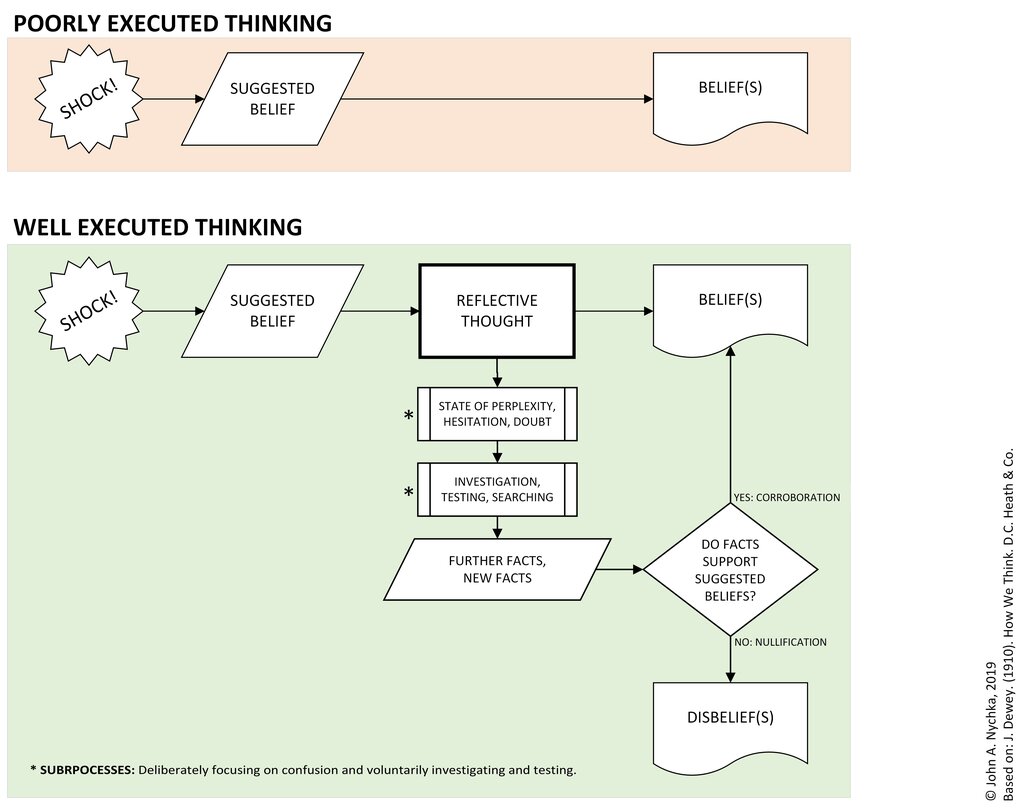
Decision-making comes into play once you have a good grasp of the situation. It's the process of choosing a course of action from a set of alternatives. For a routine problem, the decision is easy. For a complex one, you might have several potential solutions, each with its own pros and cons. Good decision-making involves weighing these options against your ultimate goal to choose the most promising path.
Critical thinking helps you see the options clearly, and decision-making helps you choose one.
Common Roadblocks
Even with the best intentions, our thinking can get stuck. Certain mental roadblocks can prevent us from finding effective solutions. Being aware of them is the first step to overcoming them.
One common barrier is cognitive bias. These are mental shortcuts our brains use to make sense of the world quickly. Sometimes they're helpful, but they can also lead to errors in judgment. For example, confirmation bias is the tendency to favor information that confirms our existing beliefs. If we believe a certain solution is the best, we might unconsciously ignore evidence that suggests otherwise.
Another major hurdle is a fixed mindset, the belief that our abilities are static and can't be changed. Someone with a fixed mindset might avoid challenges because they're afraid of failing and looking unintelligent. They might say, "I'm just not good at this kind of thing."
In contrast, a growth mindset is the belief that abilities can be developed through dedication and hard work. People with a growth mindset embrace challenges, learn from criticism, and persist in the face of setbacks. This attitude is essential for tackling complex problems, as the first attempt at a solution is rarely the last.
| Barrier | Description | How to Overcome It |
|---|---|---|
| Cognitive Bias | Mental shortcuts that lead to faulty judgments. | Actively seek out different perspectives and challenge your own assumptions. |
| Fixed Mindset | The belief that your abilities are unchangeable. | View challenges as opportunities to learn and grow, not as tests of your worth. |
Recognizing these barriers in your own thinking is a powerful step. It allows you to pause, reassess, and approach the problem with a more open and flexible mind.
Develop a methodical approach to problem-solving.
Now, let's test your understanding of these foundational concepts.
What is the fundamental goal of problem-solving?
Your computer suddenly stops working right before a major deadline. Figuring out how to fix it or find an alternative way to submit your work is an example of what?
By understanding what a problem is, recognizing its type, and being aware of the mental processes and barriers involved, you're building a solid foundation for becoming a more effective and confident problem-solver.