Mastering Privacy Program Management for the CIPM
Privacy Fundamentals
What is Privacy?
Think of your personal information like your home. You decide who gets to come inside, what they can see, and how long they can stay. Privacy, in the digital world, is that same power of choice. It’s the ability to control who collects your personal data, how they use it, and how they share it.
privacy
noun
The right of an individual to have control over their personal information, including how it is collected, used, and shared.
This isn't just about hiding things. It’s about managing your identity and maintaining your autonomy. When you sign up for a new app, buy something online, or even walk down a street with security cameras, you’re generating data. Privacy ensures you have a say in what happens to that data trail.
The Ground Rules of Privacy
To make privacy work in practice, organizations rely on a set of core principles. These aren't just suggestions; they are the foundation of most privacy laws and ethical data handling.
Let's break down some of the most important ones.
| Principle | What it Means | In Plain English |
|---|---|---|
| Data Minimization | Collect only the data that is strictly necessary. | Don't ask for a user's home address if you only need their email. |
| Purpose Limitation | Use data only for the specific reason it was collected. | If a user gives you their email for a newsletter, don't sell it to advertisers. |
| Transparency | Be open and clear about how you handle data. | Have a readable privacy policy that people can actually understand. |
| Security | Protect the data you collect from unauthorized access. | Use encryption and other safeguards to prevent data breaches. |
Ultimately, these principles boil down to a simple idea: treat people's data with the same respect you'd want for your own.
Why Privacy Matters Now
In a world where data is a valuable asset, the need for privacy has never been greater. Weak privacy practices can lead to identity theft, manipulation, and discrimination. Strong privacy, on the other hand, builds trust and empowers individuals.
This has led to a major shift in how governments view data protection. A few decades ago, few countries had comprehensive privacy laws. Today, it’s a global movement.
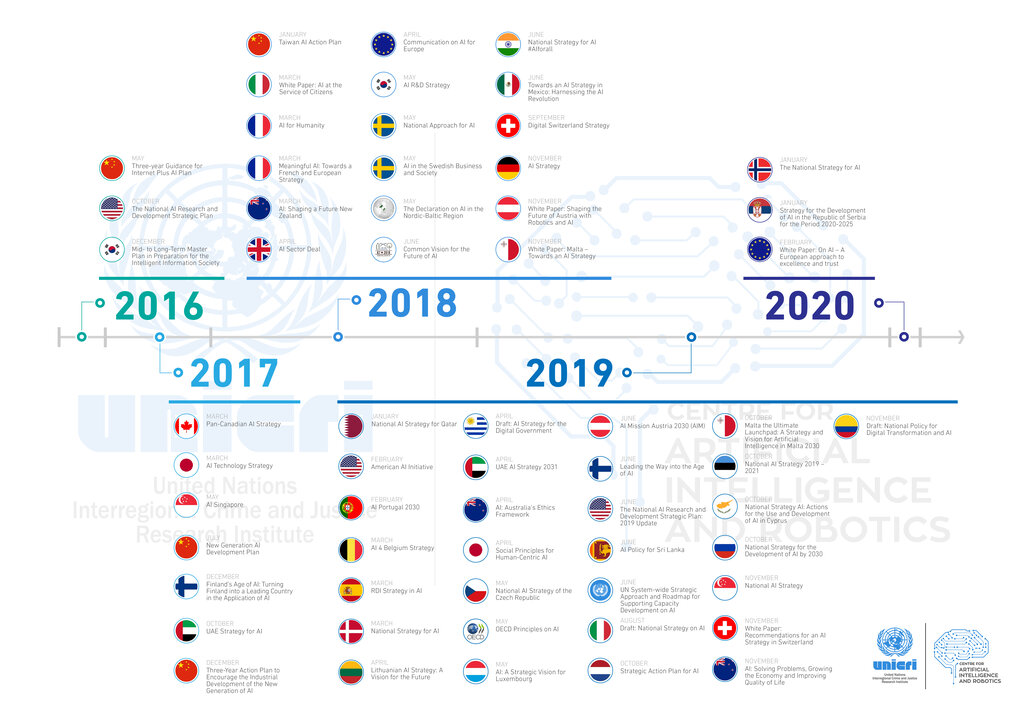
You’ve probably heard of the GDPR (General Data Protection Regulation) in Europe. It set a new standard by giving people significant rights over their data, like the right to access and delete it. This inspired similar laws around the world, from California's CCPA to Brazil's LGPD. The trend is clear: giving individuals more control over their digital footprint.
With clear principles such as lawfulness, fairness, transparency, data minimization, accuracy, and accountability, the General Data Protection Regulation requires organizations to handle personal data responsibly.
For organizations, privacy is no longer just a legal checkbox. It’s a core part of business strategy. Companies that are transparent and respectful with customer data build stronger, more loyal relationships. Those that aren't risk massive fines, reputational damage, and losing the trust of their users. In the modern economy, trust is everything.
Let's check your understanding of these core concepts.
What is the primary definition of digital privacy, as described in the text?
According to the text, the global trend in data protection laws like GDPR and CCPA is to give more control over personal data to whom?
Understanding these fundamentals is the first step. They provide the 'why' behind the specific rules and practices you'll encounter in managing privacy effectively.