Mastering Pressure Applications
Introduction to Pressure
What is Pressure?
Pressure is simply the amount of force applied over a specific area. Think about pushing a thumbtack into a corkboard. Your thumb applies a force. That force is concentrated onto the tiny, sharp point of the tack, creating very high pressure that allows it to pierce the board easily. Now, imagine trying to push the flat head of the tack into the board with the same force. It wouldn't work because the force is spread over a much larger area, resulting in low pressure.
Pressure is defined as the amount of force applied per unit area.
This relationship is captured by a straightforward formula. Pressure () is equal to the force () divided by the area () over which it's applied.
In this equation, force is measured in newtons (N) and area is in square meters (m²). This brings us to the standard unit of pressure.
pascal
noun
The SI unit of pressure, equal to one newton per square meter (N/m²).
The pascal (Pa) is a very small unit. A single sheet of paper resting on a table exerts a pressure of about 1 Pa. Because it's so small, we often use kilopascals (kPa), where 1 kPa = 1,000 Pa.
Another common unit is the atmosphere (atm), which represents the average air pressure at sea level on Earth. One atmosphere is quite large compared to a pascal.
Types of Pressure
When we measure pressure, we need a reference point. Is the measurement being made from a true zero, or relative to the air around us? This question leads to three key concepts: atmospheric, gauge, and absolute pressure.
Atmospheric pressure is the pressure exerted by the weight of the atmosphere. It's all around us, all the time, but we rarely notice it because our bodies are used to it. This pressure decreases as you go up in altitude because there is less air above you.
Gauge pressure is the pressure measured relative to the local atmospheric pressure. This is what a typical tire gauge or blood pressure cuff measures. If your tire gauge reads 32 psi (pounds per square inch), it means the pressure inside the tire is 32 psi higher than the atmospheric pressure outside. If the gauge reads zero, it doesn't mean there's a vacuum inside; it means the pressure inside is the same as the pressure outside.
Absolute pressure is the pressure measured relative to a perfect vacuum (zero pressure). It's the sum of gauge pressure and atmospheric pressure.
So, if the atmospheric pressure is 101 kPa and your tire's gauge pressure is 220 kPa, the absolute pressure inside your tire is 321 kPa. Understanding this distinction is crucial in fields like engineering and meteorology, where precise measurements are essential.
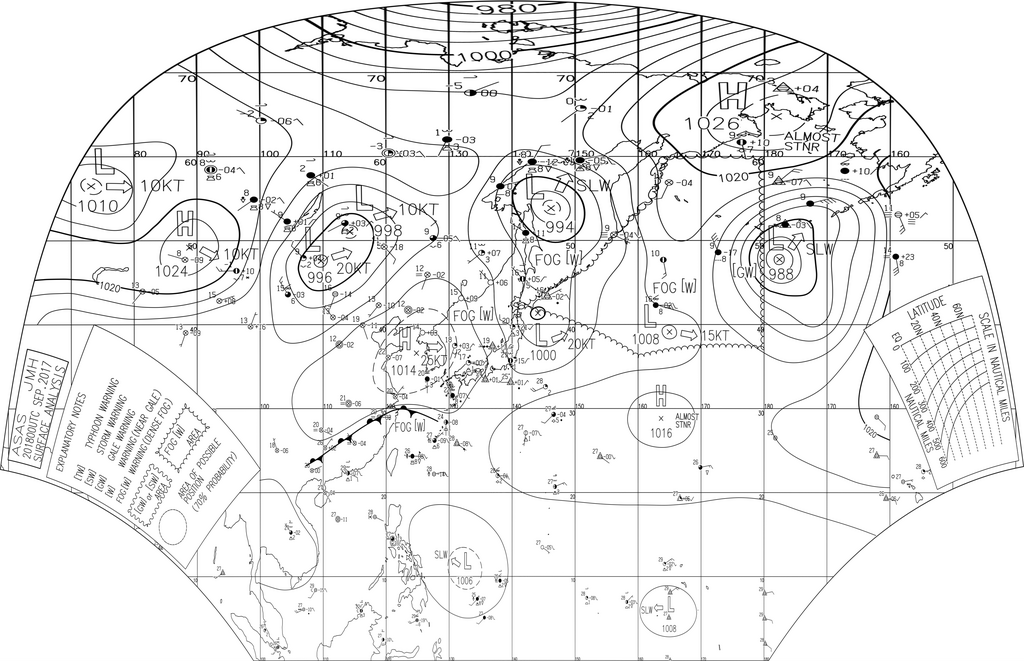
Now let's review these core concepts.
Ready to test your knowledge?
Why does a sharp knife cut better than a dull one, even when the same amount of force is applied?
Which formula correctly represents the relationship between pressure (), force (), and area ()?
With these fundamentals, you're ready to explore how pressure behaves in fluids and how it applies to everything from weather patterns to hydraulic machines.