Mastering Practical English Fluency
Narrating the Past
Telling a Story About the Past
When we tell stories, we don't just list facts. We paint a picture. To do this in English, we need two key tools for talking about the past: the Past Simple and the Past Continuous.
The Past Simple is for finished actions. It tells you what happened. Think of it as the main events of your story.
- I ate breakfast.
- She arrived late.
- We visited Paris last year.
The Past Continuous is for background actions. It tells you what was happening when the main event occurred. It sets the scene.
- The sun was shining.
- People were walking in the park.
- I was listening to music.
The Main Event: Past Simple
The Past Simple is the most common way to talk about finished actions in the past. For most verbs, you just add -ed to the end. For example, walk becomes walked, and talk becomes talked. The pronunciation of these is important for sounding natural.
Of course, English has many common verbs that don't follow this rule. These are the famous , and they just have to be memorized. You already know many of them, like go -> went and see -> saw.
Here are some common irregular verbs you might use when talking about work or travel.
| Present | Past Simple |
|---|---|
| begin | began |
| buy | bought |
| come | came |
| drive | drove |
| eat | ate |
| find | found |
| leave | left |
| meet | met |
| send | sent |
| write | wrote |
We often use time markers with the Past Simple to say exactly when something happened.
- I finished the report yesterday.
- They flew to London last week.
- She started her new job three years ago.
The Background Story: Past Continuous
The Past Continuous sets the scene. It describes an action that was in progress at a specific moment in the past. It shows what was going on in the background. The structure is simple: was/were + verb-ing.
I was working at 3:00 PM yesterday. (At that specific moment, the action was happening.) They were having a meeting all morning. (The action continued for a period of time.)
Putting It All Together
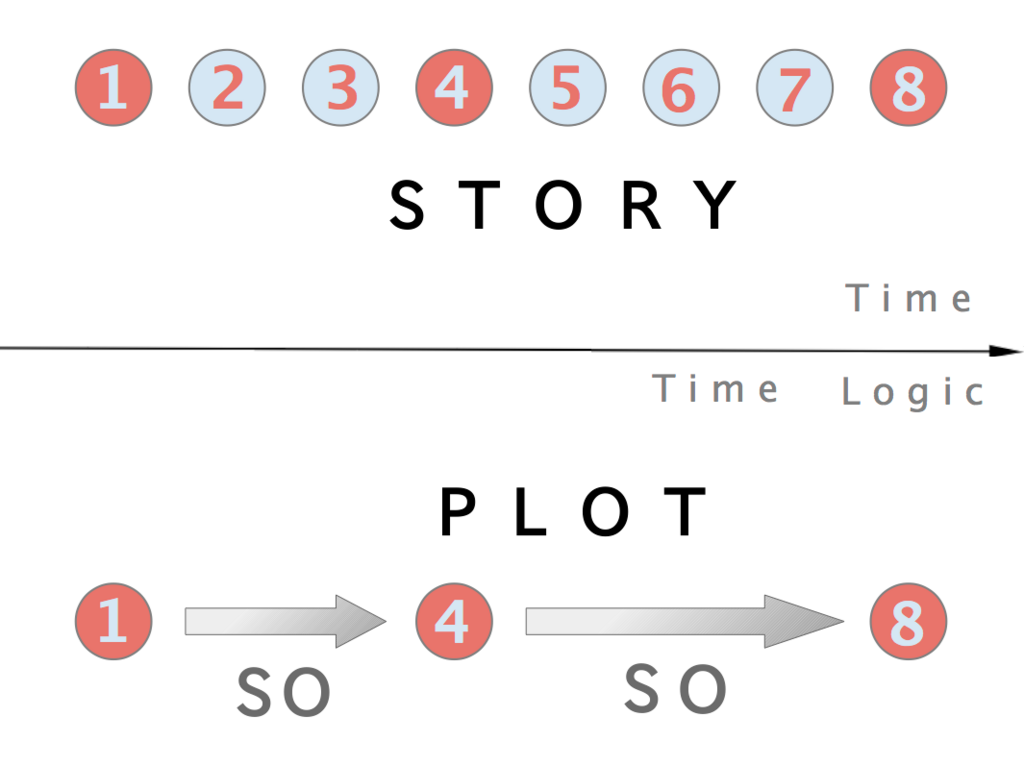
The real power comes from using these tenses together. This is how you create a with a foreground and a background. We use the words when and while to connect the two actions.
Typically, the Past Continuous describes the longer, background action. The Past Simple describes the shorter, interrupting action.
Use when with the short, interrupting action (Past Simple). Use while with the longer, background action (Past Continuous).
I was walking home when my phone rang.
While I was walking home, my phone rang.
Notice how both sentences mean the same thing. The walking was the long background action (Past Continuous), and the phone ringing was the short interruption (Past Simple).
Here’s another example:
- He was driving to work when he saw the accident.
- While he was driving to work, he saw the accident.
Let's review the main ideas.
Now, let's check your understanding.
Which tense is used to describe the main, completed actions in a story?
Which tense is primarily used to set the scene or describe a background action that was in progress in the past?
With these two tenses, you can move beyond simple statements and start telling engaging stories about your experiences.