Mastering Pour Over Coffee
Introduction to Pour-Over Coffee
What is Pour-Over?
Pour-over is a manual coffee brewing method where you pour hot water over coffee grounds in a filter. The water extracts flavor as it passes through the grounds and drips into a carafe or mug below. Unlike an automatic drip machine that does the work for you, pour-over puts you in complete control.
This method isn't new. It was invented in 1908 by a German entrepreneur named Melitta Bentz. She wanted to remove the bitterness from over-brewed coffee and punched holes in a brass pot, using a piece of her son's blotting paper as a filter. This simple idea laid the groundwork for the pour-over devices we use today.
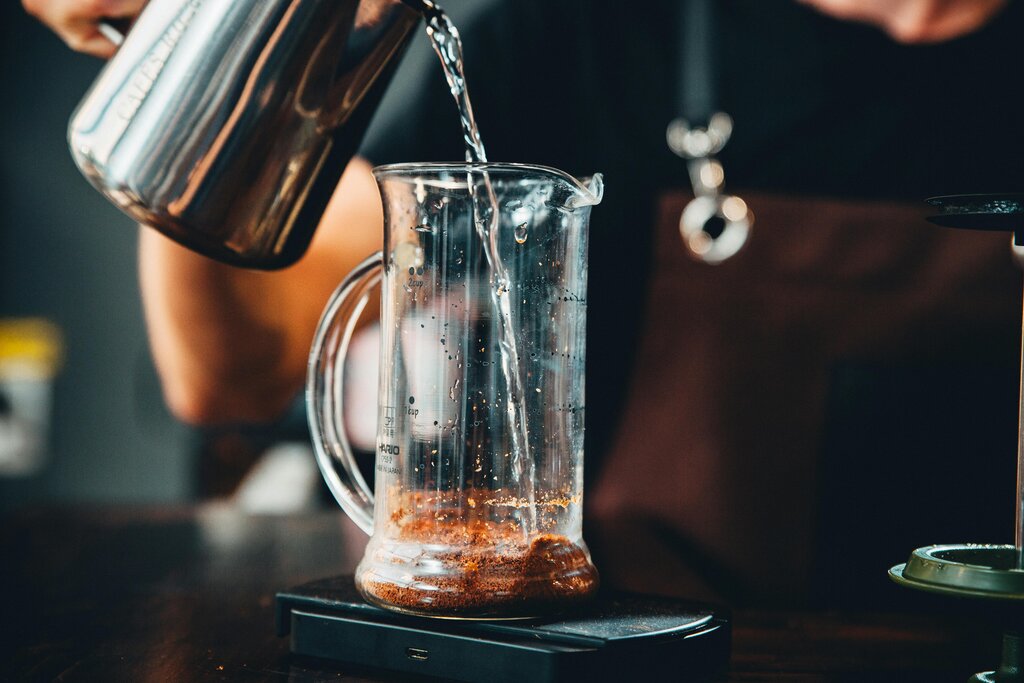
The core principle is simple: instead of steeping the grounds (like in a French press) or letting a machine spray water inconsistently, you manage the flow. This hands-on approach allows you to control the water temperature, the speed of the pour, and how long the water and coffee are in contact. Every small adjustment changes the final taste.
The process allows you to control every aspect—water temperature, flow rate, and contact time—so you get a cup that tastes clean and highlights bright flavors.
How It's Different
Pour-over stands out because of the control it offers. Let's compare it to a few other common brewing methods to see the difference.
| Method | Water Contact | Filtration | Resulting Flavor |
|---|---|---|---|
| Pour-Over | Water flows through grounds | Paper filter | Clean, clear, highlights nuanced flavors |
| Automatic Drip | Machine sprays water over grounds | Paper filter | Can be inconsistent, often less vibrant |
| French Press | Grounds steep in water (immersion) | Metal mesh filter | Bold, full-bodied, can have sediment |
| Espresso | Hot, pressurized water forced through grounds | Metal filter basket | Concentrated, intense, syrupy |
The key difference lies in extraction. Pour-over uses a percolation method, where water continually flows through the grounds, washing away oils and fine particles into a paper filter. This is why it produces such a clean cup. In contrast, immersion methods like French press keep the grounds and water together for the entire brew, resulting in a heavier body and sometimes a gritty texture.
The Benefits
So why choose a method that requires more effort? The answer is flavor and clarity. Because you control the variables, you can highlight the specific characteristics of a coffee bean. A coffee from Ethiopia might have bright, fruity notes, while one from Sumatra could be earthy and rich. Pour-over is one of the best ways to taste these differences.
Full control over brewing allows you to fine-tune the extraction, unlocking a coffee's unique flavor potential.
The process itself is also a draw for many. It's a mindful ritual that connects you more deeply to the coffee you're drinking. You aren't just pushing a button; you are an active participant in creating your perfect cup.
The Basic Process
While we'll cover specific techniques later, the general steps for pour-over are straightforward:
- Preparation: Place a filter in the dripper, rinse it with hot water, and add your coffee grounds.
- The Bloom: Pour a small amount of hot water over the grounds to let them release trapped gas. You'll see them puff up or "bloom."
- The Pour: Slowly pour the rest of your water over the grounds in a controlled, steady stream.
- The Drawdown: Watch as the coffee finishes dripping into your cup or carafe.
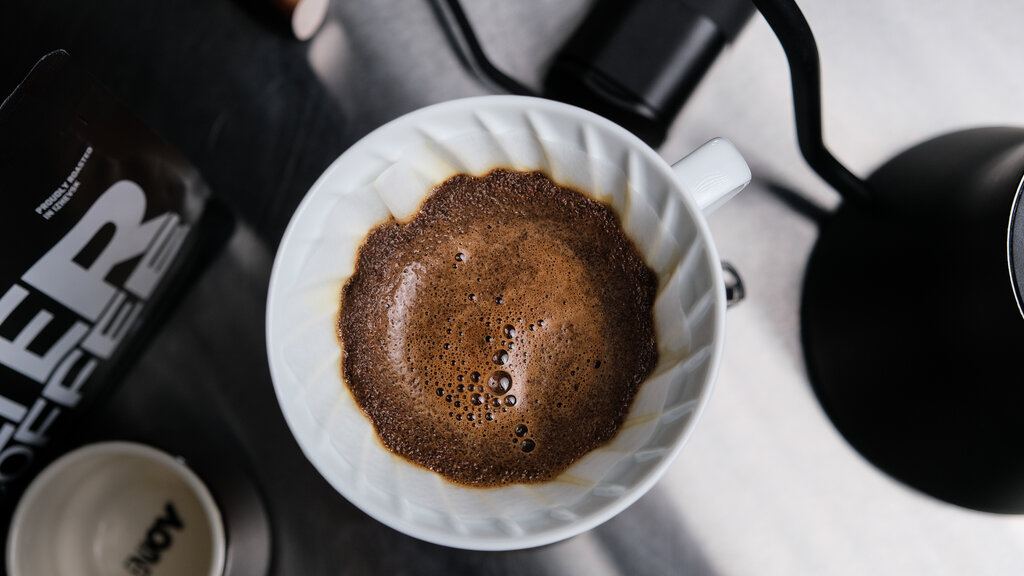
This simple sequence forms the foundation of all pour-over brewing. Mastering the timing and technique of each step is what turns a good cup of coffee into a great one.
Ready to check your understanding?
What is the primary advantage of the pour-over coffee brewing method?
The pour-over method was invented by Melitta Bentz in 1908.
Now you know the what and why behind pour-over. It’s a method that rewards patience and precision with a uniquely flavorful cup.