Mastering Potato Gnocchi
Understanding Gnocchi
Meet Gnocchi
Gnocchi are small, soft dumplings, a staple of Italian cuisine. The name itself gives a clue to their nature.
Lumps
While they often appear on pasta menus, gnocchi are technically a type of dumpling. Their history is long, stretching back centuries before pasta became a widespread phenomenon in Italy. Early versions were simple affairs, made from ingredients like breadcrumbs, flour, or ground nuts mixed with water or egg to form a basic dough.
Think of them as little pillows, designed to be boiled and served with a sauce, just like pasta.
The Potato Revolution
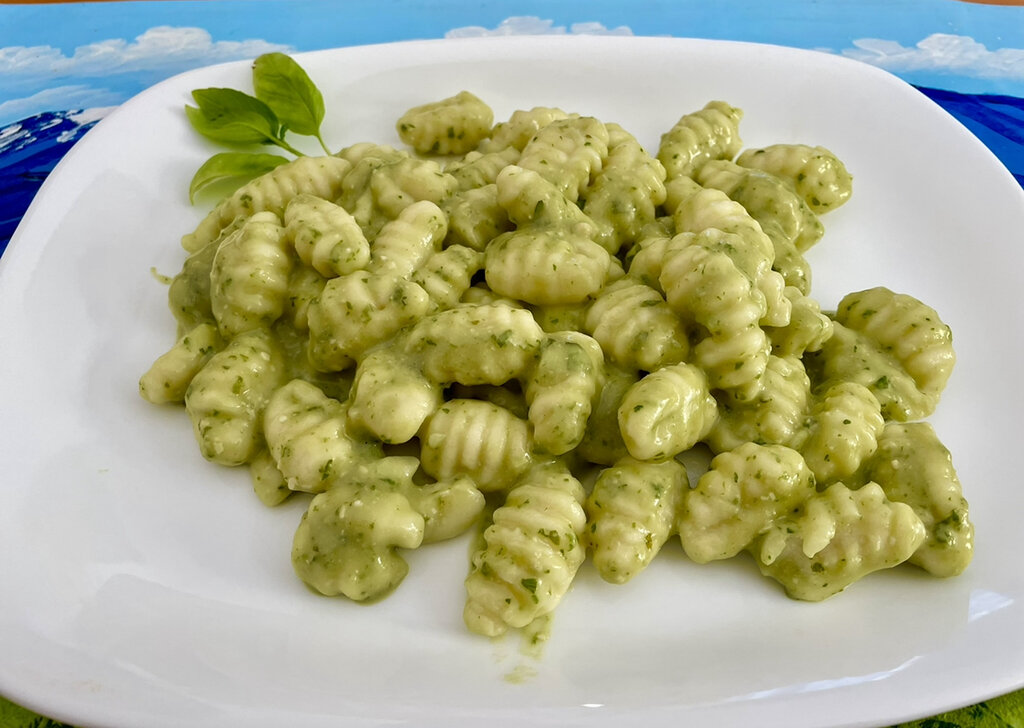
Everything changed in the 16th century when potatoes arrived in Europe from the Americas. It took a while for them to catch on, but by the 1800s, cooks in northern Italy discovered that boiled, mashed potatoes created an exceptionally light and tender dumpling. This innovation gave birth to the gnocchi most of us know and love today: gnocchi di patate, or potato gnocchi.
This new version was a game-changer. Potatoes were inexpensive and filling, making gnocchi a hearty, accessible meal. They became a beloved comfort food, a testament to the Italian knack for turning simple ingredients into something extraordinary.
Gnocchi are deeply woven into Italian culture. In Rome, for example, there's a long-standing tradition of eating gnocchi on Thursdays. The saying goes, "Giovedì gnocchi, Venerdì pesce, Sabato trippa" (Gnocchi on Thursday, fish on Friday, tripe on Saturday). The idea was to have a filling, carb-heavy meal on Thursday to prepare for the lighter, meatless meal on Friday, a traditionally Catholic day of fasting.
Beyond the Potato
Potato gnocchi may be the most famous, but Italy is home to a wonderful diversity of gnocchi types, reflecting the country's varied regional cuisines. Different areas use local ingredients to create their own unique versions.
Gnocchi alla Romana, for instance, are not made with potato at all. Hailing from Rome, these are discs of cooked semolina porridge that are cooled, cut into rounds, layered with butter and Parmesan cheese, and baked until golden.
In Tuscany, you'll find malfatti, which means "badly made." These are rustic dumplings of ricotta cheese and spinach, held together with just enough flour and egg to keep their shape. They are prized for their light, almost cloud-like texture.
Further north, in the Trentino-Alto Adige region bordering Austria, you find canederli. These are large dumplings made from stale bread, often studded with cured ham (speck) or cheese, and typically served in a simple broth.
| Region | Gnocchi Type | Primary Ingredient |
|---|---|---|
| Northern Italy | Gnocchi di Patate | Potato |
| Rome (Lazio) | Gnocchi alla Romana | Semolina Flour |
| Tuscany | Malfatti | Ricotta & Spinach |
| Trentino-Alto Adige | Canederli | Stale Bread |
Each variation tells a story about its region's history, agriculture, and culinary traditions. From hearty mountain fare to delicate cheese-based dumplings, the world of gnocchi offers much to explore.