Mastering Post Mortem Incident Documentation
Blameless Culture Fundamentals
The Blameless Mindset
When a system fails, the first human instinct is often to ask, "Who did this?" This is a natural, but counterproductive, reaction. In Site Reliability Engineering (SRE), effective incident analysis requires a fundamental shift in perspective. Instead of asking who, we ask why. This is the core of a blameless culture.
A "blameless" culture is one where mistakes are treated as learning opportunities rather than reasons for punishment.
The goal of a post-mortem is not to assign blame to an individual. It is to understand the chain of events and the systemic conditions that allowed the failure to occur. When people fear punishment, they become defensive. They might omit details or frame events in a way that protects them, which contaminates the data you need to find the true root cause. A blameless approach assumes everyone involved acted with good intent, given the information and tools they had at the time. Mistakes are not character flaws; they are data points that reveal weaknesses in the system.
Human Error vs. Systemic Failure
It's easy to label the cause of an incident as "human error." An engineer ran the wrong command, or someone pushed a faulty configuration. But this is a shallow analysis. A blameless culture pushes us to look deeper.
Why did the engineer run the wrong command? Was the command line interface confusing? Was the documentation unclear? Was the engineer fatigued from being on-call for 14 hours? Why was it possible for a single faulty configuration to bring down the service? Was there a lack of automated testing or a poor deployment process?
"Human error" is an indicator that the system placed a person in a position to fail. The error is a symptom, not the disease. The goal is to fix the system, not the person.
To uncover these systemic factors, you need accurate data. And to get accurate data, team members must feel safe enough to be radically transparent about what happened and what they were thinking. This is where psychological safety becomes a prerequisite for effective engineering.
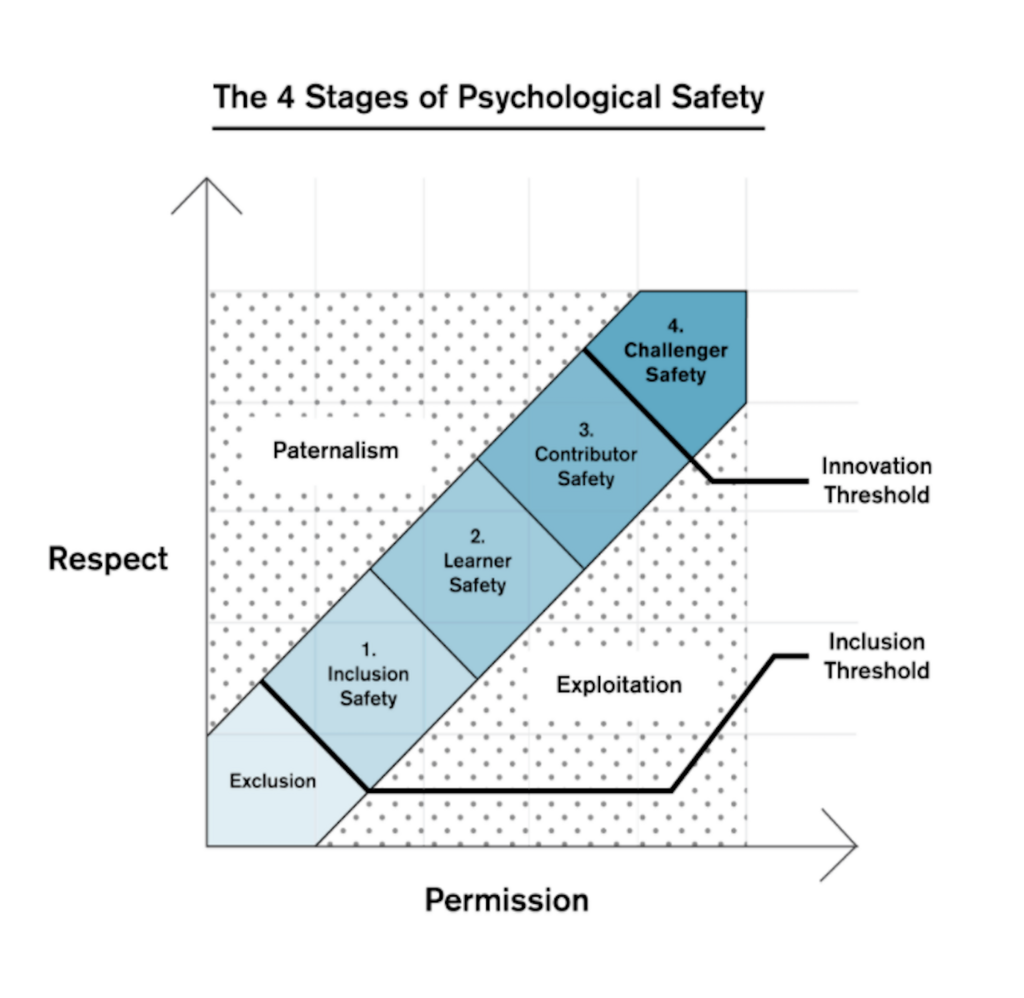
A blameless post-mortem process is a tool for building psychological safety. By consistently demonstrating that the goal is learning (Learner Safety), you encourage people to share their perspectives (Contributor Safety). Over time, this builds enough trust for people to question underlying assumptions and suggest fundamental changes (Challenger Safety), which is where true, lasting improvements come from.
Drafting the Blameless Notice
To set the right tone from the very beginning, every post-mortem document should start with a clear, explicit statement about blamelessness. This isn't just boilerplate text; it's a contract with everyone participating in the review. It reminds everyone of the purpose and sets the ground rules for the discussion.
Our purpose in this post-mortem is to understand the contributing causes of this incident and identify actions to reduce the likelihood or impact of it happening again. We assume that everyone involved acted with the best intentions based on the information they had at the time. This is a blameless analysis focused on improving our systems and processes, not on finding fault in individuals.
This statement does three important things:
- It states the goal: The focus is on understanding causes and preventing recurrence.
- It assumes good intent: This is a crucial step in defusing defensiveness.
- It explicitly rejects blame: It clearly separates the investigation of the system from any judgment of the people operating it.
By placing this notice at the top of your report, you create a framework that guides the entire process toward constructive, system-level improvements.
In a blameless SRE culture, what is the primary question to ask after an incident occurs?
According to the principles of a blameless post-mortem, "human error" is best understood as: