Mastering Post-Gym Recovery and Nausea Prevention
Blood Flow Dynamics
The Blood Flow Trade-Off
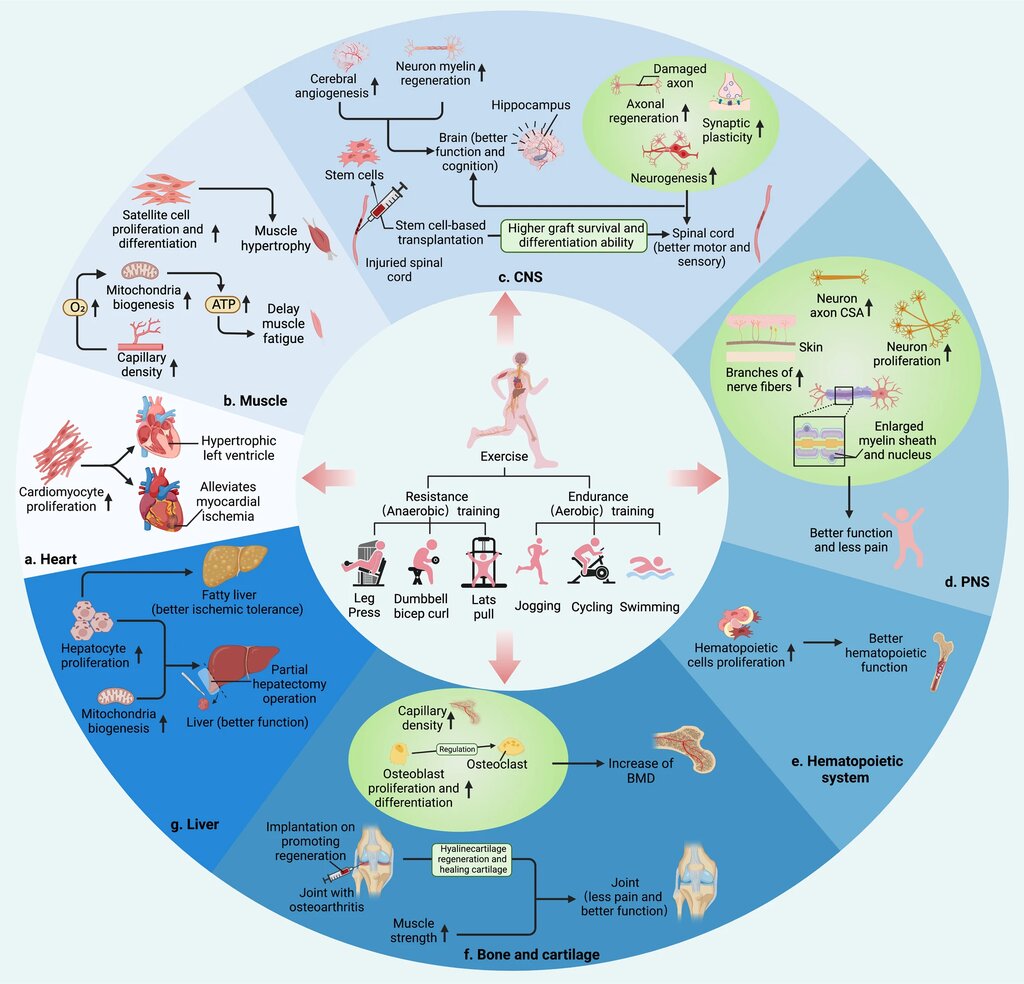
During intense physical activity, your body faces a critical resource allocation problem. Your skeletal muscles, heart, and lungs are working overtime, demanding a huge surge in oxygen-rich blood to sustain their effort. But your body has a finite amount of blood to go around. To solve this, it makes a strategic trade-off.
The circulatory system acts like a smart power grid, diverting resources where they're needed most. It dramatically increases blood flow to the active muscles and vital organs supporting the exercise, while simultaneously reducing it to systems that aren't immediately essential for the task at hand. The primary system that gets its supply throttled is the digestive system.
Splanchnic Ischemia
noun
A condition characterized by reduced blood flow to the organs in the abdominal cavity, including the stomach, intestines, liver, and spleen.
This diversion is managed by the sympathetic nervous system (SNS), the part of your nervous system responsible for the "fight or flight" response. When you push your body hard, the SNS kicks into high gear. It triggers the release of hormones like adrenaline that cause blood vessels in your splanchnic (abdominal) region to constrict, a process called vasoconstriction. This effectively shunts blood away from your gut. During strenuous exercise, blood flow to the digestive organs can be reduced by as much as 80%.
The Gut's Reaction
This drastic reduction in blood flow has immediate consequences for your digestive tract. With less blood and oxygen, gastric motility—the muscular contractions that move food through your stomach and intestines—slows down significantly. Digestion essentially grinds to a halt. If you have food or fluid in your stomach, it just sits there, unable to be processed efficiently.
The lack of oxygen, or visceral ischemia, does more than just slow things down. It irritates the sensitive lining of the stomach and intestines. This irritation can increase the permeability of the gut wall, a condition sometimes called "leaky gut." The combination of stagnant food, a lack of oxygen, and an irritated gut lining activates nerves that send distress signals to your brain. The result is that familiar, queasy feeling of nausea.
This cluster of symptoms is a key part of a broader condition known as exercise-induced gastrointestinal syndrome (EIGS). The more intense and prolonged the exercise, the more severe the blood shunting and the higher the risk of experiencing these uncomfortable symptoms.
Understanding this physiological process is the first step toward managing and preventing exercise-induced nausea. By controlling exercise intensity, duration, and crucially, pre-exercise nutrition and hydration, you can help mitigate the severity of this blood flow shift and keep your stomach settled.
Let's check your understanding of how your body manages blood flow during a workout.
During intense physical activity, which body system experiences the most significant reduction in blood flow?
The constriction of blood vessels in the abdominal region, which shunts blood away from the gut during exercise, is known as __________.
Now that you know why nausea happens, you can start to learn how to prevent it.